
Technology
Local AI Search Solution Triumphs Over Windows Search Failures

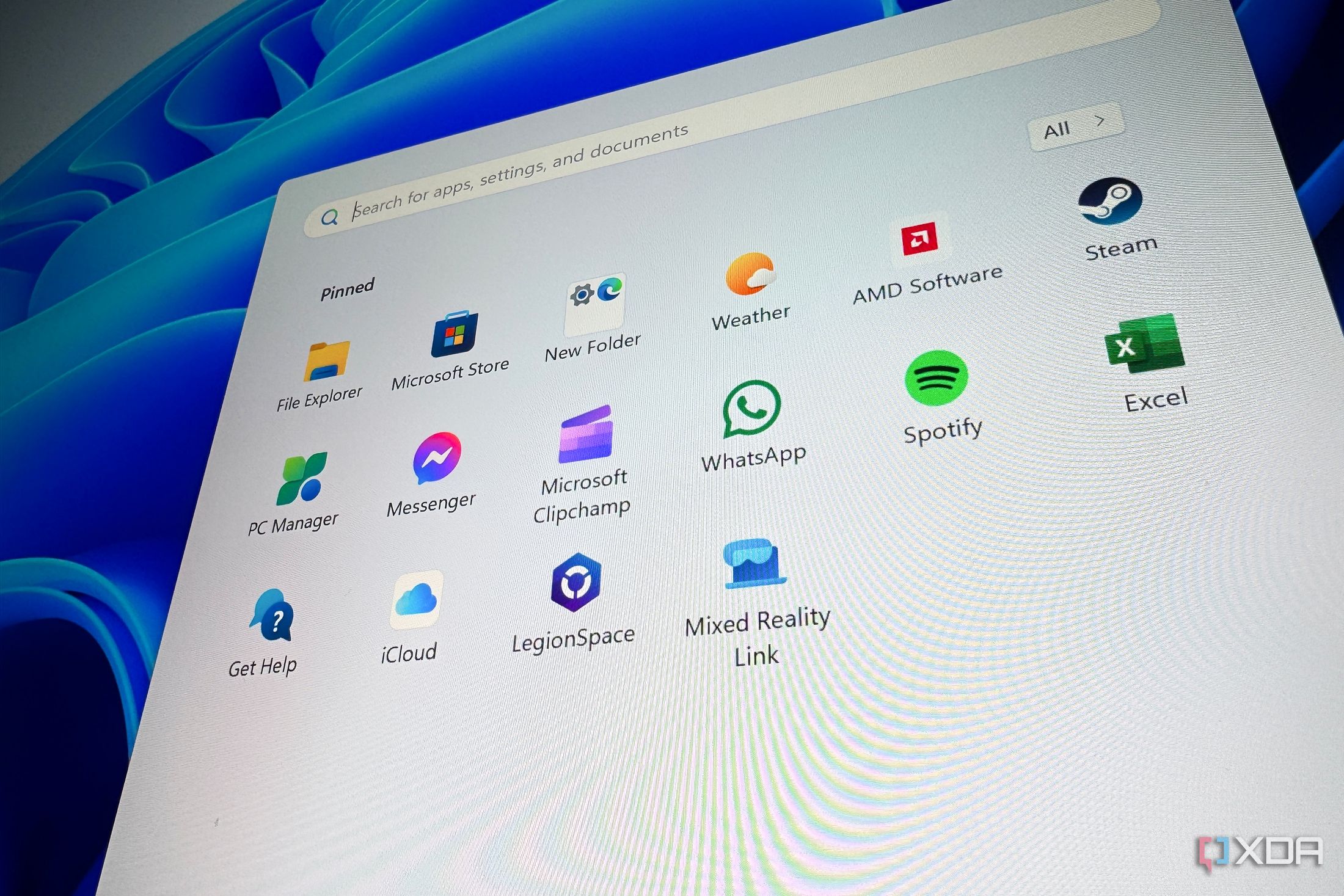
A technology enthusiast has successfully replaced Windows Search with a local artificial intelligence (AI) solution that significantly enhances search efficiency. Over the years, users have expressed frustration with Microsoft’s search functionality, citing irrelevant web results, excessive advertisements, and unhelpful suggestions. This transition reflects a growing demand for more reliable and user-focused search alternatives.
The dissatisfaction with Windows Search has been mounting, particularly as Microsoft appears to prioritize its advertising and web integration over user needs. Many users have been left navigating a maze of unwanted results, which often include promotional content rather than the specific information they seek. This situation has prompted individuals to explore innovative alternatives, leading to the increased popularity of local AI solutions designed to deliver precise and relevant search outcomes.
Local AI systems utilize advanced algorithms to understand user queries better and provide tailored results. Unlike traditional search engines, these systems typically focus on local data and do not rely on internet connectivity, minimizing distractions from advertisements and unrelated content. As a result, the user experience becomes more streamlined and efficient, allowing individuals to find the information they need quickly and effectively.
Many users who have made the switch have reported a substantial improvement in their search experiences. The new local AI systems not only offer better accuracy but also reduce the time spent sifting through irrelevant information. This has been particularly beneficial for professionals and students who require quick access to specific data without the clutter of unrelated search results.
The implementation of local AI solutions marks a significant shift in how individuals approach digital searches. As more users discover the benefits of these alternatives, it raises questions about the future of traditional search engines like Windows Search. Will companies like Microsoft adapt to these changing preferences, or will they continue to overlook user demands?
This development underscores the importance of innovation in technology. Users are now prioritizing solutions that enhance productivity and provide meaningful results. As the landscape of digital search continues to evolve, it is clear that local AI technology is carving out a substantial niche, appealing to those who seek efficiency and relevance in their search experiences.
The transition to local AI also reflects broader trends in technology where personalization and user-centric design are becoming paramount. As more individuals turn away from established platforms that fail to meet their needs, the demand for effective alternatives will likely continue to grow.
In summary, the replacement of Windows Search with a local AI system showcases a critical moment in the evolution of search technology. This shift not only emphasizes the need for improved search functionality but also signals a potential turning point for how companies like Microsoft may need to rethink their strategies to retain users in an increasingly competitive market.










Revolutionary Photonic Ski-Jump Could Miniaturize LiDAR Systems

Couples Detox from Plastics in New Netflix Doc: Can It Boost Fertility?

Aventon Launches Affordable Full-Suspension Electric Mountain Bike

Discover Eight Must-Try Restaurants This Spring Season

UC Irvine Team Unveils Innovative Ion Pump for Water Treatment

One-Third of Americans Trim Daily Expenses for Healthcare Needs

Apple Secures First Oscar in Three Years with F1: The Movie

Fourth Graders Celebrate St. Patrick’s Day with Creative Weather Drawings

Kim Kardashian Dazzles at Vanity Fair Oscars Party 2026

Nostradamus’ 2026 Predictions: Star Death and Dark Events Loom

Breakthroughs and Challenges Await Science in 2026

Electric Moto Influencer Surronster Arrested in Tijuana

OpenAI to Implement Age Verification for ChatGPT by December 2025

Discover the Top 10 Calorie Counting Apps of 2025

Bella Hadid Shares Health Update After Treatment for Lyme Disease

Analysts Project Stronger Growth for Apple’s iPhone 17 Lineup

Japanese Study Finds Rose Oil Can Increase Brain Gray Matter

Top 10 Penny Stocks to Watch in 2026 for Strong Returns
-
 Science3 months ago
Nostradamus’ 2026 Predictions: Star Death and Dark Events Loom
-
 Science4 months ago
Breakthroughs and Challenges Await Science in 2026
-
 Technology7 months ago
Electric Moto Influencer Surronster Arrested in Tijuana
-
 Technology4 months ago
OpenAI to Implement Age Verification for ChatGPT by December 2025
-
 Technology9 months ago
Discover the Top 10 Calorie Counting Apps of 2025
-
 Health7 months ago
Bella Hadid Shares Health Update After Treatment for Lyme Disease
-
 Health7 months ago
Analysts Project Stronger Growth for Apple’s iPhone 17 Lineup
-
 Technology4 months ago
Top 10 Penny Stocks to Watch in 2026 for Strong Returns
-
 Health7 months ago
Japanese Study Finds Rose Oil Can Increase Brain Gray Matter
-

 Science6 months ago
Starship V3 Set for 2026 Launch After Successful Final Test of Version 2
-

 Technology1 month ago
Nvidia GTC 2026: Major Announcements Expected for AI and Hardware
-

 Education7 months ago
Harvard Secures Court Victory Over Federal Funding Cuts