
Technology
Hyundai and Kia Agree to $500 Million Settlement for Theft Fixes

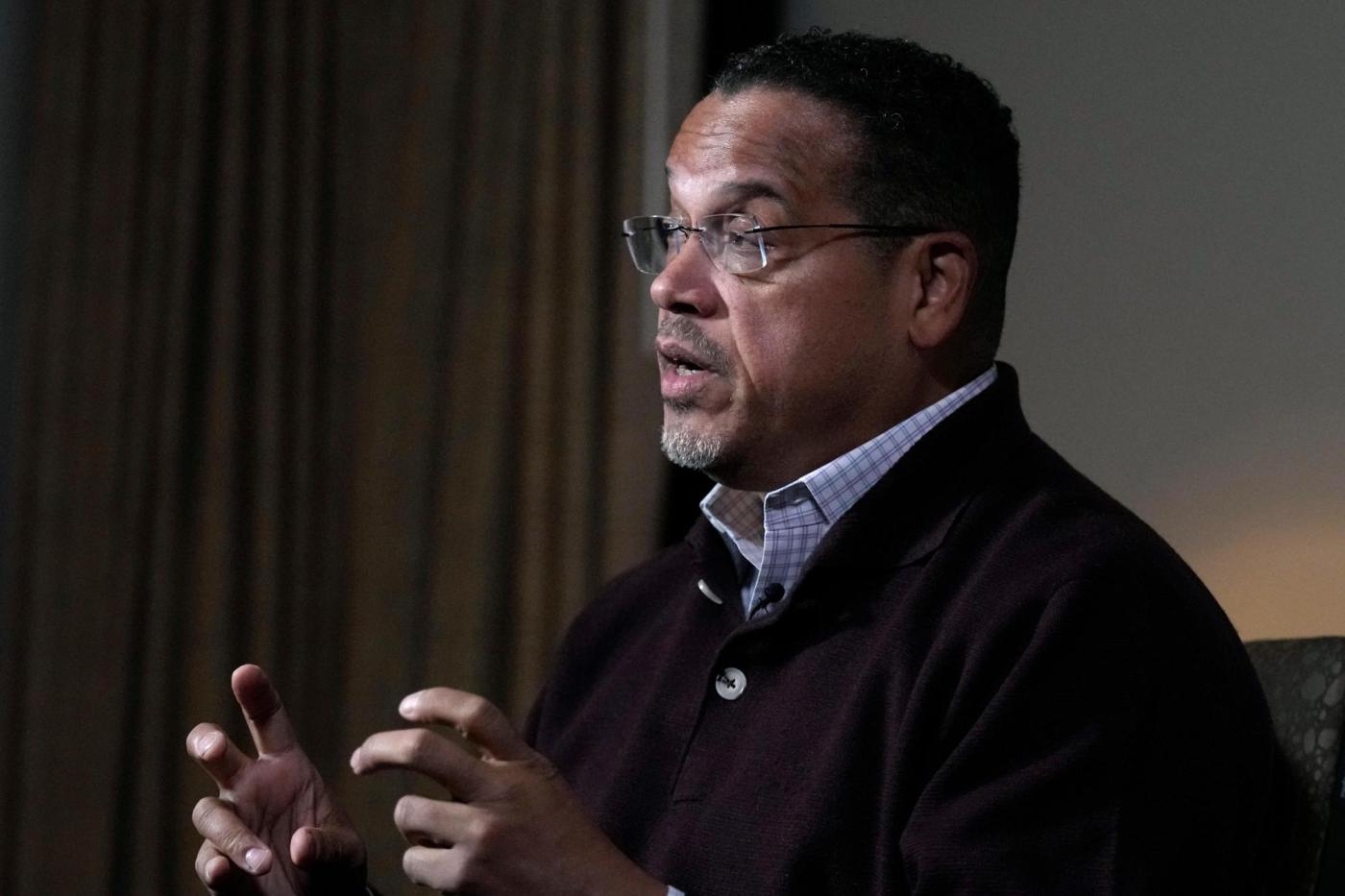
Automakers Hyundai and Kia will provide free repairs to millions of vehicles as part of a settlement announced by Minnesota’s Attorney General Keith Ellison on Tuesday. This agreement comes in response to claims by a coalition of 35 states, which argued that the manufacturers failed to equip their vehicles with adequate anti-theft technology, resulting in a significant surge in thefts.
Under the terms of the settlement, Hyundai and Kia will incur costs exceeding $500 million, which includes offering free repairs to eligible vehicles that date back to as early as 2011 and as recently as 2022. Approximately 9 million vehicles sold across the United States will qualify for these fixes. In addition, the companies are required to install engine immobilizers in all future vehicles sold in the U.S. and pay up to $4.5 million in restitution to victims whose vehicles were damaged.
Soaring Theft Rates Linked to Social Media Trends
The rise in thefts of Hyundai and Kia vehicles has been alarming. Reports indicate that starting in 2021, viral videos on platforms like TikTok demonstrated how to steal these cars using only a screwdriver and a USB cable. For instance, Minneapolis experienced an astonishing 836% increase in thefts of these vehicles from 2021 to 2022, prompting Attorney General Ellison to launch an investigation into the automakers earlier this year.
Ellison pointed out that while engine immobilizers were implemented in vehicles sold in Mexico and Canada, they were not widely used in the U.S. This oversight has contributed to numerous thefts, resulting in crimes and accidents that have caused injuries and fatalities, including incidents involving teenagers. “This crisis that we’re talking about today started in a boardroom, traveled through the Internet and ended up in tragic results when somebody stole those cars,” Ellison remarked during a press conference.
Joined by city officials, a woman who lost her mother in a crash involving a stolen Kia, and a man whose vehicle has been stolen multiple times, Ellison emphasized the human toll of these thefts.
Details of the Settlement and Repair Process
As part of the settlement, Hyundai and Kia will implement a solution that includes installing a zinc sleeve designed to prevent criminals from breaking into the ignition cylinder and starting the vehicle. Customers eligible for these repairs will have a one-year window from the companies’ notification date to have the work done at authorized dealerships. The repairs are anticipated to be available from early 2026 through early 2027.
In response to the settlement, Kia expressed its commitment to enhancing vehicle security and collaborating with law enforcement to combat the rise of car thefts and the role social media plays in promoting such crimes. The company stated, “Kia is eager to continue working with law enforcement officers and officials at federal, state, and local levels to combat criminal car theft, and we remain fully committed to upholding vehicle security.”
Efforts to remedy the widespread issue of car thefts highlight the increasing importance of robust security measures in the automotive industry. As the situation evolves, it remains to be seen how these changes will affect theft rates and consumer confidence in Hyundai and Kia vehicles moving forward.











Cadel Evans Great Ocean Road Race: Who Will Claim Victory?

Engage with the Etgar Quiz: Test Your Knowledge on the Torah

Workhorse Group and Proliance International: A Comparative Analysis

Michael Burry Labels Elon Musk a “Desperately Incentivized Futurist”

Decluttering Your Space: Improve Health and Well-Being Today

Community Leader Louise K. Breitung Passes Away at 87

Louise K. Breitung, Dedicated Community Leader, Passes Away at 87

Trump’s January: Power Plays and Political Backlash Unfold

Discover the Affordable Milani Skin Tint Stick Taking Over Drugstores

Nostradamus’ 2026 Predictions: Star Death and Dark Events Loom

OpenAI to Implement Age Verification for ChatGPT by December 2025

Discover the Top 10 Calorie Counting Apps of 2025

Bella Hadid Shares Health Update After Treatment for Lyme Disease

Analysts Project Stronger Growth for Apple’s iPhone 17 Lineup

Electric Moto Influencer Surronster Arrested in Tijuana

Harvard Secures Court Victory Over Federal Funding Cuts

Erin Bates Shares Recovery Update Following Sepsis Complications

Discover How to Reverse Image Search Using ChatGPT Effortlessly
-
 Science1 month ago
Nostradamus’ 2026 Predictions: Star Death and Dark Events Loom
-
 Technology2 months ago
OpenAI to Implement Age Verification for ChatGPT by December 2025
-
 Technology6 months ago
Discover the Top 10 Calorie Counting Apps of 2025
-
 Health4 months ago
Bella Hadid Shares Health Update After Treatment for Lyme Disease
-
 Health5 months ago
Analysts Project Stronger Growth for Apple’s iPhone 17 Lineup
-
 Technology4 months ago
Electric Moto Influencer Surronster Arrested in Tijuana
-
 Education5 months ago
Harvard Secures Court Victory Over Federal Funding Cuts
-
 Health5 months ago
Erin Bates Shares Recovery Update Following Sepsis Complications
-
 Technology6 months ago
Discover How to Reverse Image Search Using ChatGPT Effortlessly
-

 Technology7 months ago
Meta Initiates $60B AI Data Center Expansion, Starting in Ohio
-

 Technology7 months ago
Recovering a Suspended TikTok Account: A Step-by-Step Guide
-

 Science3 months ago
Starship V3 Set for 2026 Launch After Successful Final Test of Version 2