
Technology
Google’s “Aluminium OS” Leak Reveals Android Desktop Experience

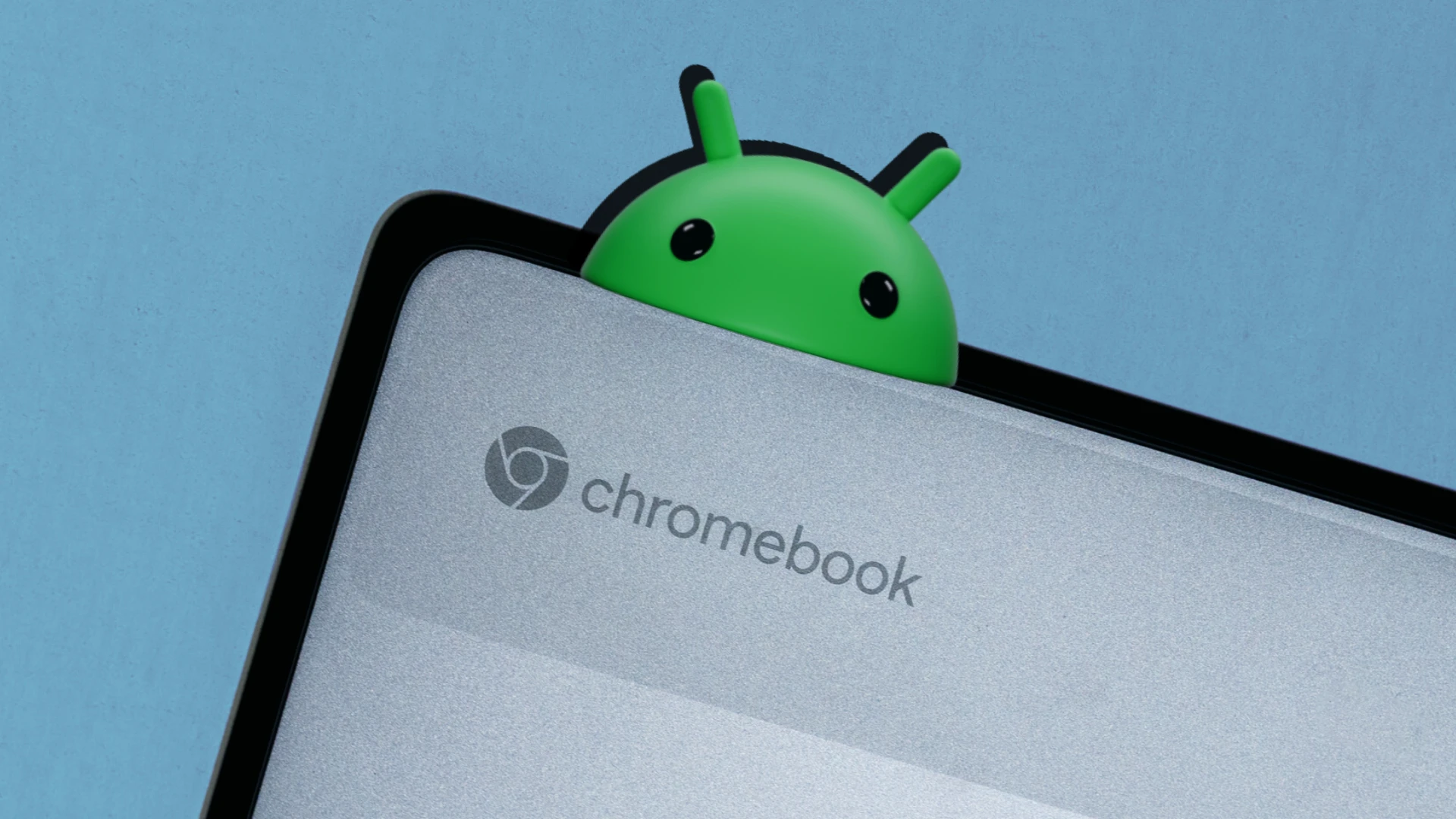
A significant development has emerged regarding Google’s anticipated “Aluminium OS,” which aims to integrate Android and ChromeOS into a unified platform. An accidental leak from a Google bug report on the Chromium Issue Tracker, reported by 9to5 Google, has provided the first visual evidence of this innovative operating system, based on Android 16.
The leak confirms that Google is not merely experimenting; the company is advancing towards a full desktop experience on its Brya Chromebooks. This includes devices like the HP Elite Dragonfly 13.5, which was used in the leaked screen recordings. The build identified as ZL1A.260119.001.A1 indicates a serious commitment to developing this new operating system, utilizing existing Chromebook hardware as its foundation.
A Unified User Interface
The leaked footage showcases a user interface that blends features of Android 16 with familiar elements of ChromeOS. Users of Chromebooks may find the interface both recognizable and refreshingly new.
One of the standout features is a redesigned status bar. The height has been increased to better suit larger displays, incorporating a stackable time and date display along with the new Android 16 battery and Wi-Fi icons, a dedicated Gemini icon, and a notification bell.
The taskbar has also undergone changes; while it retains similarities to the current Android tablet taskbar, the “Start” button has shifted towards the center. This aligns with the desktop mode seen in early Android 16 developer builds, contrasting with the traditional bottom-left corner placement of ChromeOS.
The windowing and multitasking capabilities appear robust, featuring a UI that closely resembles ChromeOS. Users can minimize, maximize, or close windows, and the system supports 50/50 split-screen multitasking, allowing for efficient handling of desktop-class workloads.
Enhanced Browser Capabilities
A notable addition in the leaked information is the presence of the Google Chrome browser. While it is the Android version, it includes a critical feature that has been absent from the mobile app for years: a dedicated Extensions button. This enhancement bridges a significant gap in functionality, positioning Android as a more viable productivity platform.
By introducing desktop-class Chrome extensions to the Android-based Aluminium OS, Google is effectively removing the divide that has historically separated Chromebooks from Android tablets. The implications for users are substantial, as this shift may lead to a more seamless experience across devices.
The revelation of this operating system on a Brya device suggests that the transition to Aluminium OS may be closer than previously anticipated. With the build labeled as Android 16, it raises the possibility of a shorter timeline for its rollout than many had expected.
As Google continues to refine its vision for a unified platform, this leak marks a pivotal moment in the evolution of its operating systems. The convergence of ChromeOS and Android promises to enhance user experiences and redefine productivity on Chromebook devices. For many, this development could signify a new era in how they use their technology.











Revolutionary Photonic Ski-Jump Could Miniaturize LiDAR Systems

Couples Detox from Plastics in New Netflix Doc: Can It Boost Fertility?

Aventon Launches Affordable Full-Suspension Electric Mountain Bike

Discover Eight Must-Try Restaurants This Spring Season

UC Irvine Team Unveils Innovative Ion Pump for Water Treatment

One-Third of Americans Trim Daily Expenses for Healthcare Needs

Apple Secures First Oscar in Three Years with F1: The Movie

Fourth Graders Celebrate St. Patrick’s Day with Creative Weather Drawings

Kim Kardashian Dazzles at Vanity Fair Oscars Party 2026

Nostradamus’ 2026 Predictions: Star Death and Dark Events Loom

Breakthroughs and Challenges Await Science in 2026

Electric Moto Influencer Surronster Arrested in Tijuana

OpenAI to Implement Age Verification for ChatGPT by December 2025

Discover the Top 10 Calorie Counting Apps of 2025

Bella Hadid Shares Health Update After Treatment for Lyme Disease

Analysts Project Stronger Growth for Apple’s iPhone 17 Lineup

Japanese Study Finds Rose Oil Can Increase Brain Gray Matter

Top 10 Penny Stocks to Watch in 2026 for Strong Returns
-
 Science3 months ago
Nostradamus’ 2026 Predictions: Star Death and Dark Events Loom
-
 Science4 months ago
Breakthroughs and Challenges Await Science in 2026
-
 Technology7 months ago
Electric Moto Influencer Surronster Arrested in Tijuana
-
 Technology4 months ago
OpenAI to Implement Age Verification for ChatGPT by December 2025
-
 Technology9 months ago
Discover the Top 10 Calorie Counting Apps of 2025
-
 Health7 months ago
Bella Hadid Shares Health Update After Treatment for Lyme Disease
-
 Health7 months ago
Analysts Project Stronger Growth for Apple’s iPhone 17 Lineup
-
 Health7 months ago
Japanese Study Finds Rose Oil Can Increase Brain Gray Matter
-
 Technology4 months ago
Top 10 Penny Stocks to Watch in 2026 for Strong Returns
-

 Science6 months ago
Starship V3 Set for 2026 Launch After Successful Final Test of Version 2
-

 Technology1 month ago
Nvidia GTC 2026: Major Announcements Expected for AI and Hardware
-

 Education7 months ago
Harvard Secures Court Victory Over Federal Funding Cuts