
Technology
Google Unveils Sharing Feature for Android Earthquake Alerts

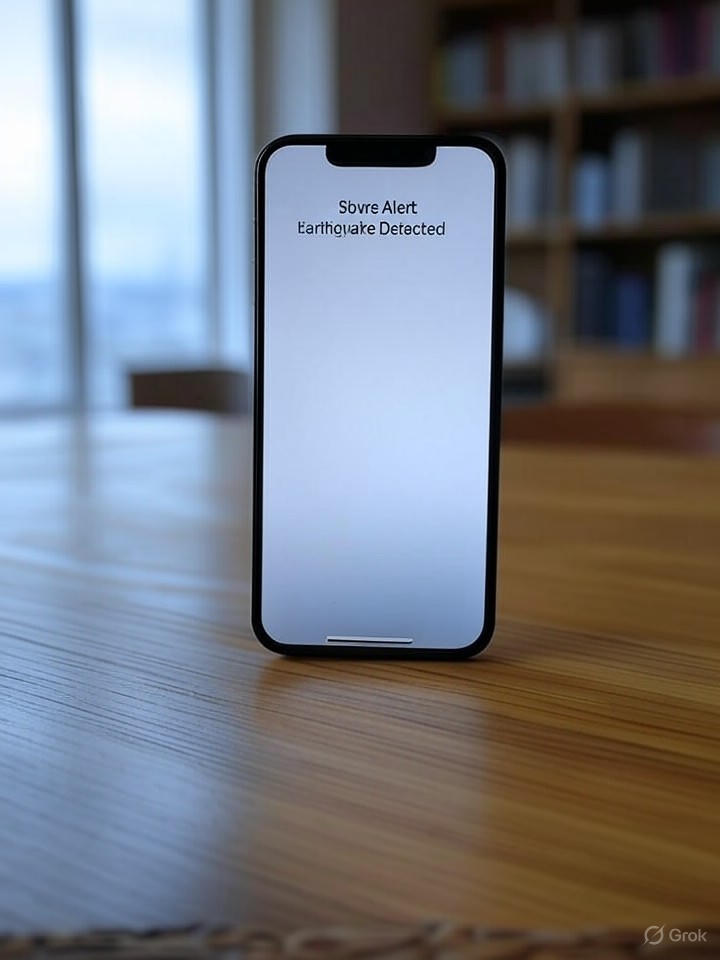
Google is enhancing its Android Earthquake Alerts by introducing a new feature that allows users to share earthquake warnings through messaging apps and social media. The announcement follows a recent analysis of Google Play Services version 25.40.30 by Android Police, which revealed a “Share Alert” option in the code. This feature aims to improve communication during seismic events, potentially saving lives by providing quick alerts to friends and family.
The new sharing capability builds on Android’s existing system, which utilizes accelerometers in billions of devices to detect earthquakes. Since its launch in 2020, the Android Earthquake Alerts system has turned smartphones into a vast network capable of delivering early warnings. It has successfully detected over 11,000 earthquakes across 98 countries, issuing approximately 1,200 alerts between 2021 and 2024, according to a report by WebProNews.
Enhancing Cross-Platform Functionality
As Google tests this new sharing feature, industry analysts suggest it could facilitate cross-platform functionality, allowing alerts to be sent to iPhone users and others outside the Android ecosystem. This move aligns with recent trends in mobile safety technology, where interoperability is essential for maximizing the effectiveness of emergency communications. According to Gadgets 360, the feature may enable Android users to send alerts to contacts using standard messaging protocols, enhancing the reach of critical information.
Despite its innovative approach, Google’s earthquake detection system has faced challenges. For instance, it underestimated the magnitude of a deadly quake in Turkey in 2023, leading to scrutiny regarding its accuracy. False alarms have also posed problems, such as the deactivation of the system in Brazil earlier this year. These incidents highlight the delicate balance between sensitivity and accuracy in crowdsourced data, which is vital for public safety.
A Commitment to Global Safety
Google’s earthquake detection initiatives have expanded significantly since their inception. The system now covers all 50 U.S. states, showcasing the company’s dedication to scaling life-saving technology in response to increasing seismic activity worldwide. The rollout began with pilot programs and saw its first significant expansion in 2021, when alerts launched in seven new countries, with a goal of achieving global coverage by mid-2022.
The hybrid approach employed by Google integrates traditional seismic data with phone-based detection, enhancing the system’s reliability. The company’s blog emphasizes the importance of providing “Be Prepared” and “Take Action” notifications seconds before shaking begins, offering crucial time for individuals to respond during an earthquake.
Looking ahead, there are plans to integrate this alert system with Wear OS devices, which could extend notifications to smartwatches, further embedding safety technology into everyday life. Industry insiders view the potential for cross-platform sharing as a significant advancement, as it could foster collaboration among tech companies and improve emergency response efforts.
While the future of earthquake alerts holds promise, challenges remain. Ensuring accuracy and addressing privacy concerns will be critical as the system evolves. The reliance on anonymized accelerometer data from user devices raises questions about consent and reliability in urgent situations. Critics are calling for greater transparency, especially as sharing features become more prevalent.
In a reflection on mobile development from TechYourChance in 2025, experts predict that the evolution of cross-platform frameworks will accelerate the integration of such technologies, potentially leading to standardized disaster alerts across both iOS and Android platforms. If Google successfully launches this sharing feature, it could transform Android’s earthquake alerts into a collaborative safety net, amplifying warnings in real-time and enhancing community preparedness.
As seismic events increase due to climate change, the role of technology in promoting global resilience becomes increasingly important. By merging advanced artificial intelligence with everyday devices, Google is paving the way for a safer future.










Revolutionary Photonic Ski-Jump Could Miniaturize LiDAR Systems

Couples Detox from Plastics in New Netflix Doc: Can It Boost Fertility?

Aventon Launches Affordable Full-Suspension Electric Mountain Bike

Discover Eight Must-Try Restaurants This Spring Season

UC Irvine Team Unveils Innovative Ion Pump for Water Treatment

One-Third of Americans Trim Daily Expenses for Healthcare Needs

Apple Secures First Oscar in Three Years with F1: The Movie

Fourth Graders Celebrate St. Patrick’s Day with Creative Weather Drawings

Kim Kardashian Dazzles at Vanity Fair Oscars Party 2026

Nostradamus’ 2026 Predictions: Star Death and Dark Events Loom

Breakthroughs and Challenges Await Science in 2026

Electric Moto Influencer Surronster Arrested in Tijuana

OpenAI to Implement Age Verification for ChatGPT by December 2025

Discover the Top 10 Calorie Counting Apps of 2025

Recovering a Suspended TikTok Account: A Step-by-Step Guide

Bella Hadid Shares Health Update After Treatment for Lyme Disease

Backpack Drives Equip Students with Supplies for New School Year

Analysts Project Stronger Growth for Apple’s iPhone 17 Lineup
-
 Science8 months ago
Nostradamus’ 2026 Predictions: Star Death and Dark Events Loom
-
 Science8 months ago
Breakthroughs and Challenges Await Science in 2026
-
 Technology11 months ago
Electric Moto Influencer Surronster Arrested in Tijuana
-
 Technology9 months ago
OpenAI to Implement Age Verification for ChatGPT by December 2025
-
 Technology1 year ago
Discover the Top 10 Calorie Counting Apps of 2025
-
 Technology1 year ago
Recovering a Suspended TikTok Account: A Step-by-Step Guide
-
 Health11 months ago
Bella Hadid Shares Health Update After Treatment for Lyme Disease
-
 Education1 year ago
Backpack Drives Equip Students with Supplies for New School Year
-
 Health11 months ago
Analysts Project Stronger Growth for Apple’s iPhone 17 Lineup
-

 Health12 months ago
Japanese Study Finds Rose Oil Can Increase Brain Gray Matter
-

 Technology8 months ago
Top 10 Penny Stocks to Watch in 2026 for Strong Returns
-

 Science10 months ago
Starship V3 Set for 2026 Launch After Successful Final Test of Version 2