
Technology
Google Highlights Limits of IP68 Protection in Latest Disclosure

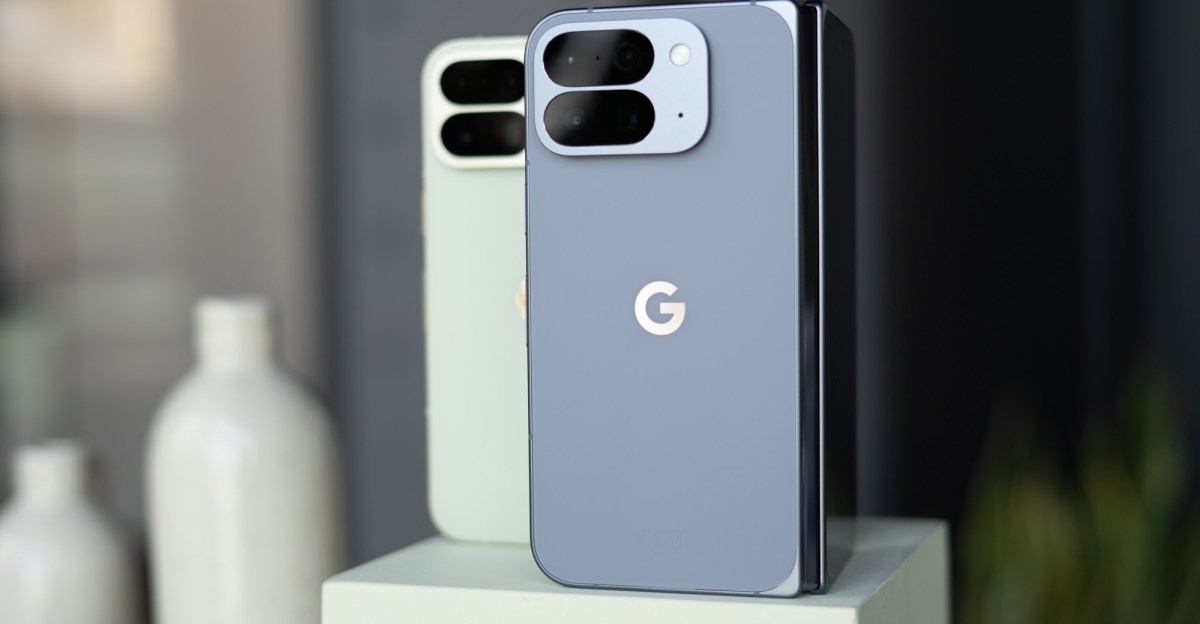
Google has openly addressed a crucial aspect of its Pixel smartphones: the limitations of the IP68 protection rating. In a recent announcement, the company clarified that while its devices are designed to meet the IP68 standard under the IEC standard 60529 when they leave the factory, they are not inherently waterproof or dustproof. This statement marks a rare instance of a major manufacturer directly acknowledging the wear and tear that affects a phone’s protective features over time.
The company’s message, shared through its advertising materials, specifically warns customers that the protective qualities of their devices diminish as a result of normal use. The fine print notes that “water resistance and dust resistance are not permanent conditions and will diminish or be lost over time due to normal wear and tear, device repair, disassembly or damage.” This transparency serves as a reminder that even devices marketed with high levels of protection can be vulnerable if mishandled.
Users should be aware that the warranty for Pixel devices does not cover liquid damage. If a device is found to have water ingress, it is considered evidence of user-induced damage. The disclaimer further stresses that drops and tumbles can also compromise the device’s resistance to moisture and dust, emphasizing that such external impacts are not covered under warranty.
For consumers, this revelation underscores the importance of treating smartphones with care. The statement aims to inform potential buyers of the realities behind the specifications advertised by manufacturers. As technology evolves, understanding the limitations of protective ratings becomes increasingly important for consumers who rely on their devices in various environments.
Google’s proactive approach in discussing these limitations may set a precedent for other tech companies. As consumers become more aware of the nuances surrounding device specifications, manufacturers may need to adopt similar transparency in their marketing strategies.
In addition to clarifying the nature of IP68 protection, Google has also hinted at related topics worth exploring, such as the durability of folding glass used in modern smartphones. Consumers are often surprised to learn that many folding glass devices are shipped with plastic screen protectors that are not intended to be removed.
As the smartphone market continues to grow and evolve, the need for clear communication from manufacturers regarding product durability and limitations remains crucial. This shift toward transparency not only informs consumers but also fosters a more informed purchasing environment, where buyers can make decisions based on realistic expectations of their devices.












Revolutionary Photonic Ski-Jump Could Miniaturize LiDAR Systems

Couples Detox from Plastics in New Netflix Doc: Can It Boost Fertility?

Aventon Launches Affordable Full-Suspension Electric Mountain Bike

Discover Eight Must-Try Restaurants This Spring Season

UC Irvine Team Unveils Innovative Ion Pump for Water Treatment

One-Third of Americans Trim Daily Expenses for Healthcare Needs

Apple Secures First Oscar in Three Years with F1: The Movie

Fourth Graders Celebrate St. Patrick’s Day with Creative Weather Drawings

Kim Kardashian Dazzles at Vanity Fair Oscars Party 2026

Nostradamus’ 2026 Predictions: Star Death and Dark Events Loom

Breakthroughs and Challenges Await Science in 2026

Electric Moto Influencer Surronster Arrested in Tijuana

OpenAI to Implement Age Verification for ChatGPT by December 2025

Discover the Top 10 Calorie Counting Apps of 2025

Recovering a Suspended TikTok Account: A Step-by-Step Guide

Bella Hadid Shares Health Update After Treatment for Lyme Disease

Backpack Drives Equip Students with Supplies for New School Year

Analysts Project Stronger Growth for Apple’s iPhone 17 Lineup
-
 Science8 months ago
Nostradamus’ 2026 Predictions: Star Death and Dark Events Loom
-
 Science8 months ago
Breakthroughs and Challenges Await Science in 2026
-
 Technology11 months ago
Electric Moto Influencer Surronster Arrested in Tijuana
-
 Technology9 months ago
OpenAI to Implement Age Verification for ChatGPT by December 2025
-
 Technology1 year ago
Discover the Top 10 Calorie Counting Apps of 2025
-
 Technology1 year ago
Recovering a Suspended TikTok Account: A Step-by-Step Guide
-
 Health11 months ago
Bella Hadid Shares Health Update After Treatment for Lyme Disease
-
 Education1 year ago
Backpack Drives Equip Students with Supplies for New School Year
-
 Health12 months ago
Analysts Project Stronger Growth for Apple’s iPhone 17 Lineup
-

 Health12 months ago
Japanese Study Finds Rose Oil Can Increase Brain Gray Matter
-

 Technology8 months ago
Top 10 Penny Stocks to Watch in 2026 for Strong Returns
-

 Science10 months ago
Starship V3 Set for 2026 Launch After Successful Final Test of Version 2