
Technology
Google Clarifies Chromebook Migration Plans to Aluminium OS

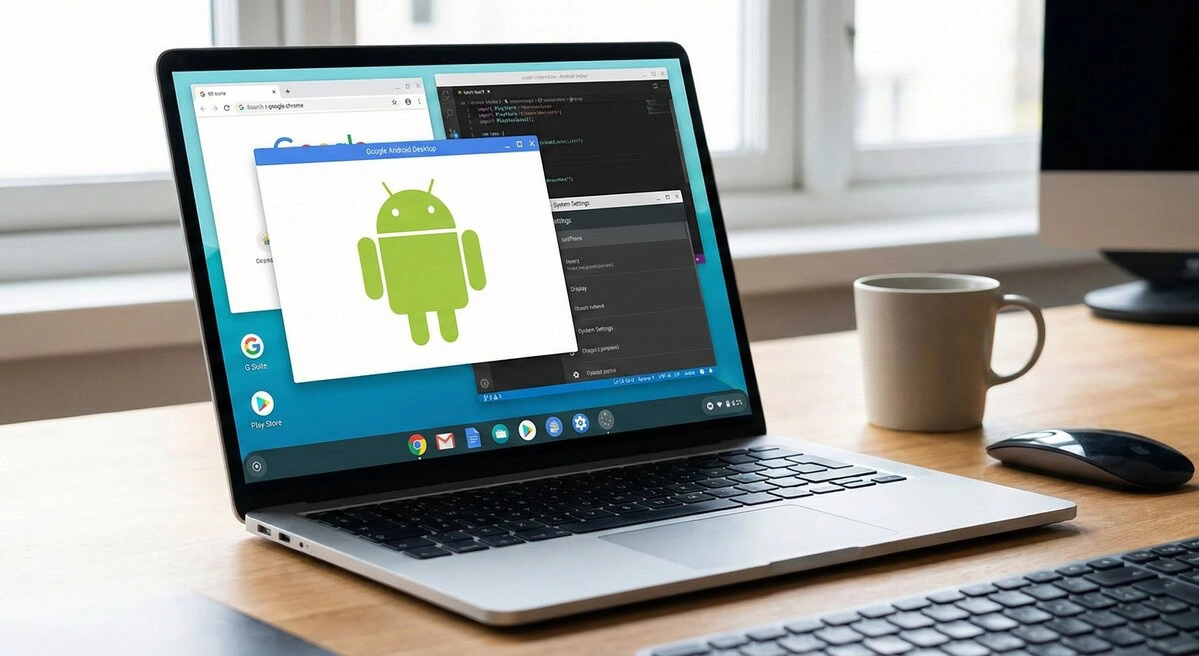
Google has provided important updates regarding the transition of its ChromeOS to a new unified platform, known internally as Aluminium OS. The company has faced numerous inquiries about how this migration will impact current users of ChromeOS. In a recent session with the community, a senior Google executive clarified the transition process and the ongoing support for existing devices.
Google Confirms Ongoing Support for ChromeOS
During a private Ask Me Anything session hosted by Chrome Unboxed, John Maletis, Vice President of Product Management for ChromeOS, addressed concerns raised by users. He emphasized that Google has no plans to abandon ChromeOS, stating, “Millions of students, consumers, and workers depend on these devices daily, and the company will not end its support anytime soon.” This statement was reassuring for many users who rely on ChromeOS for their daily tasks.
Maletis also confirmed that existing devices will continue to receive updates according to Google’s extended update promise, which guarantees automatic updates for a duration of ten years from a device’s launch. This commitment has provided relief to users worried about the future usability of their devices. He framed the shift from ChromeOS to Aluminium OS as an “evolution” rather than a complete replacement, designed to safeguard the investments made by users and educational institutions.
Migration Process and Device Eligibility Explained
Maletis approached questions concerning the migration process with care, noting that not all Chromebooks will be eligible for the transition to Aluminium OS due to technical limitations. He indicated that newer models, along with future devices, would more likely be compatible with the new platform.
Google aims to maintain the functionality of ChromeOS during the development of Aluminium OS. Eligible devices will be encouraged to migrate, while those that do not meet the requirements will continue to receive support until they reach their end-of-life. It is important to note that most upcoming devices will be designed to run Aluminium OS right out of the box.
This announcement marks a significant step in Google’s strategy to unify its operating systems, ensuring a smoother transition for users and institutions that depend on its technology. The company’s commitment to ongoing support and careful planning for the migration process reflects its understanding of the diverse needs of its user base.










Revolutionary Photonic Ski-Jump Could Miniaturize LiDAR Systems

Couples Detox from Plastics in New Netflix Doc: Can It Boost Fertility?

Aventon Launches Affordable Full-Suspension Electric Mountain Bike

Discover Eight Must-Try Restaurants This Spring Season

UC Irvine Team Unveils Innovative Ion Pump for Water Treatment

One-Third of Americans Trim Daily Expenses for Healthcare Needs

Apple Secures First Oscar in Three Years with F1: The Movie

Fourth Graders Celebrate St. Patrick’s Day with Creative Weather Drawings

Kim Kardashian Dazzles at Vanity Fair Oscars Party 2026

Nostradamus’ 2026 Predictions: Star Death and Dark Events Loom

Breakthroughs and Challenges Await Science in 2026

Electric Moto Influencer Surronster Arrested in Tijuana

OpenAI to Implement Age Verification for ChatGPT by December 2025

Discover the Top 10 Calorie Counting Apps of 2025

Recovering a Suspended TikTok Account: A Step-by-Step Guide

Bella Hadid Shares Health Update After Treatment for Lyme Disease

Backpack Drives Equip Students with Supplies for New School Year

Analysts Project Stronger Growth for Apple’s iPhone 17 Lineup
-
 Science8 months ago
Nostradamus’ 2026 Predictions: Star Death and Dark Events Loom
-
 Science8 months ago
Breakthroughs and Challenges Await Science in 2026
-
 Technology11 months ago
Electric Moto Influencer Surronster Arrested in Tijuana
-
 Technology9 months ago
OpenAI to Implement Age Verification for ChatGPT by December 2025
-
 Technology1 year ago
Discover the Top 10 Calorie Counting Apps of 2025
-
 Technology1 year ago
Recovering a Suspended TikTok Account: A Step-by-Step Guide
-
 Health11 months ago
Bella Hadid Shares Health Update After Treatment for Lyme Disease
-
 Education1 year ago
Backpack Drives Equip Students with Supplies for New School Year
-
 Health11 months ago
Analysts Project Stronger Growth for Apple’s iPhone 17 Lineup
-

 Health12 months ago
Japanese Study Finds Rose Oil Can Increase Brain Gray Matter
-

 Technology8 months ago
Top 10 Penny Stocks to Watch in 2026 for Strong Returns
-

 Science10 months ago
Starship V3 Set for 2026 Launch After Successful Final Test of Version 2