
Technology
Ford’s Jim Farley Shifts Gears on EV Strategy Amid Competition

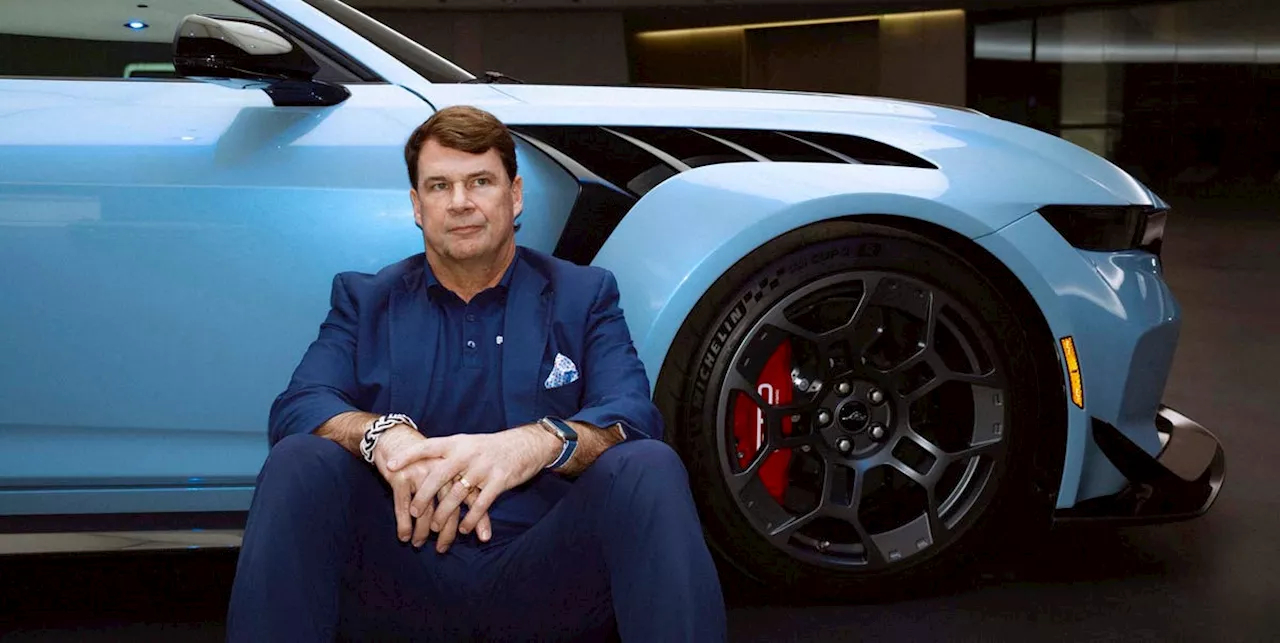
Ford Motor Company has recently witnessed a significant shift in its electric vehicle (EV) strategy under the leadership of CEO Jim Farley. As he marks five years in his role, Farley acknowledges the challenges the automaker faces, particularly in light of competition from Chinese manufacturers and recent setbacks in its electrification efforts.
The company has faced criticism for its troubled transition to EVs, highlighted by the $19.5 billion write-down related to business-plan changes and the cancellation of the F-150 Lightning. In a bid to regain momentum, Ford is set to introduce a new EV platform, which Farley describes as a potential “Model T moment,” with a mid-size pickup scheduled for release in 2027. This vehicle will be produced at a retooled plant in Kentucky, aiming to help Ford catch up with industry leaders.
In an interview with Car and Driver contributing editor Jamie Kitman, Farley discussed the lessons learned from past missteps and the competitive landscape. He reflected on how the pandemic-induced surge in vehicle prices created unrealistic expectations for demand, leading to overproduction of the F-150 Lightning.
Farley admitted, “I totally would’ve done it differently,” acknowledging that the limitations of their understanding during the crisis contributed to the current situation. He emphasized that the company must adapt to a rapidly changing market, particularly as Chinese automakers like BYD and Nio have swiftly advanced in EV technology and design, leaving traditional manufacturers scrambling to keep up.
Lessons from the Past and Future Directions
Farley’s early experiences with cars shaped his passion for the automotive industry. He fondly recalls spending time with Italian mechanics as a child, immersing himself in the world of racing and car culture. However, his focus now lies on the sustainability of Ford and the need to innovate in response to the industry’s evolving demands.
Reflecting on the company’s product offerings, he expressed surprise at the success of Ford’s off-road lineup, including the Bronco and Raptor models. “I just never expected that it would turn into such a profitable, expansive brand image for us,” he noted. Despite this success, Farley remains cautious about expanding these offerings in Europe, where competition and regulatory challenges create a complex landscape.
Ford recently launched the Puma Gen-E in Europe, which has reportedly become the top-selling EV in the UK, benefiting from local incentives. Farley recognizes that while the Puma might not resonate with American consumers due to size and cost, it demonstrates Ford’s capacity to adapt to regional demands.
Navigating a Complex Global Market
The competitive threat from Chinese automakers looms large. Farley remarked that the rapid improvement of local brands caught many in the industry off guard. “Their cars went from clearly behind us to ahead of us,” he said, acknowledging the significant strides made by competitors like BYD and Geely.
As the company navigates these challenges, Farley is keenly aware of the importance of fostering innovation within Ford and attracting talent from diverse backgrounds, particularly as the industry shifts towards software-defined vehicles and new powertrain technologies. He emphasized the need to rethink traditional automotive engineering approaches and embrace the skills of those coming from different sectors, such as motorsports and technology.
Addressing internal dynamics, Farley acknowledged the historical challenges of Ford’s corporate culture. He noted that moments of crisis, such as during the financial downturn of 2008 and the pandemic, have often led to a temporary reduction in internal politics. “It seems like that only happens when we’re in complete challenge mode,” he remarked.
As Ford looks to the future, Farley believes the company must prioritize the development of manufacturing-grade semiconductors domestically to ensure independence and resilience. He pointed out that the recent relaxation of emissions standards presents both an opportunity and a challenge for manufacturers, as it could lead to a regression in environmental considerations without regulatory guidance.
In summary, Jim Farley stands at a critical juncture for Ford, as the company grapples with the complexities of electrification, fierce global competition, and the need for internal transformation. The road ahead will require not only innovative vehicles but also a robust strategy to reclaim Ford’s position in a rapidly evolving automotive landscape.









Discover Glass Art: Engaging Workshops at SiNaCa Studios

Explore Texas Craftsmanship at the 21st Grapevine Artisans Market

NASA Force Initiative Launches to Recruit Elite Tech Talent

Community Events Highlight Support Groups and Fundraisers

Genesis G90: A Luxurious Choice for Value-Conscious Buyers

Schools Tackle Chronic Absenteeism in Ashtabula County

Discover Lasting Love at the Becoming One Marriage Retreat

Study Unveils Inaccuracies of ‘Demon Slayer’ Bamboo Muzzle Design

Parents Voice Concerns Over Maine’s Proposed Changes to Child Services

Nostradamus’ 2026 Predictions: Star Death and Dark Events Loom

Breakthroughs and Challenges Await Science in 2026

OpenAI to Implement Age Verification for ChatGPT by December 2025

Discover the Top 10 Calorie Counting Apps of 2025

Electric Moto Influencer Surronster Arrested in Tijuana

Bella Hadid Shares Health Update After Treatment for Lyme Disease

Analysts Project Stronger Growth for Apple’s iPhone 17 Lineup

Top 10 Penny Stocks to Watch in 2026 for Strong Returns

Japanese Study Finds Rose Oil Can Increase Brain Gray Matter
-
 Science2 months ago
Nostradamus’ 2026 Predictions: Star Death and Dark Events Loom
-
 Science2 months ago
Breakthroughs and Challenges Await Science in 2026
-
 Technology3 months ago
OpenAI to Implement Age Verification for ChatGPT by December 2025
-
 Technology8 months ago
Discover the Top 10 Calorie Counting Apps of 2025
-
 Technology6 months ago
Electric Moto Influencer Surronster Arrested in Tijuana
-
 Health6 months ago
Bella Hadid Shares Health Update After Treatment for Lyme Disease
-
 Health6 months ago
Analysts Project Stronger Growth for Apple’s iPhone 17 Lineup
-
 Technology3 months ago
Top 10 Penny Stocks to Watch in 2026 for Strong Returns
-
 Health6 months ago
Japanese Study Finds Rose Oil Can Increase Brain Gray Matter
-

 Science5 months ago
Starship V3 Set for 2026 Launch After Successful Final Test of Version 2
-

 Education6 months ago
Harvard Secures Court Victory Over Federal Funding Cuts
-

 Health6 months ago
Erin Bates Shares Recovery Update Following Sepsis Complications