
Technology
Discover How Eating Earlier Can Improve Your Sleep Quality

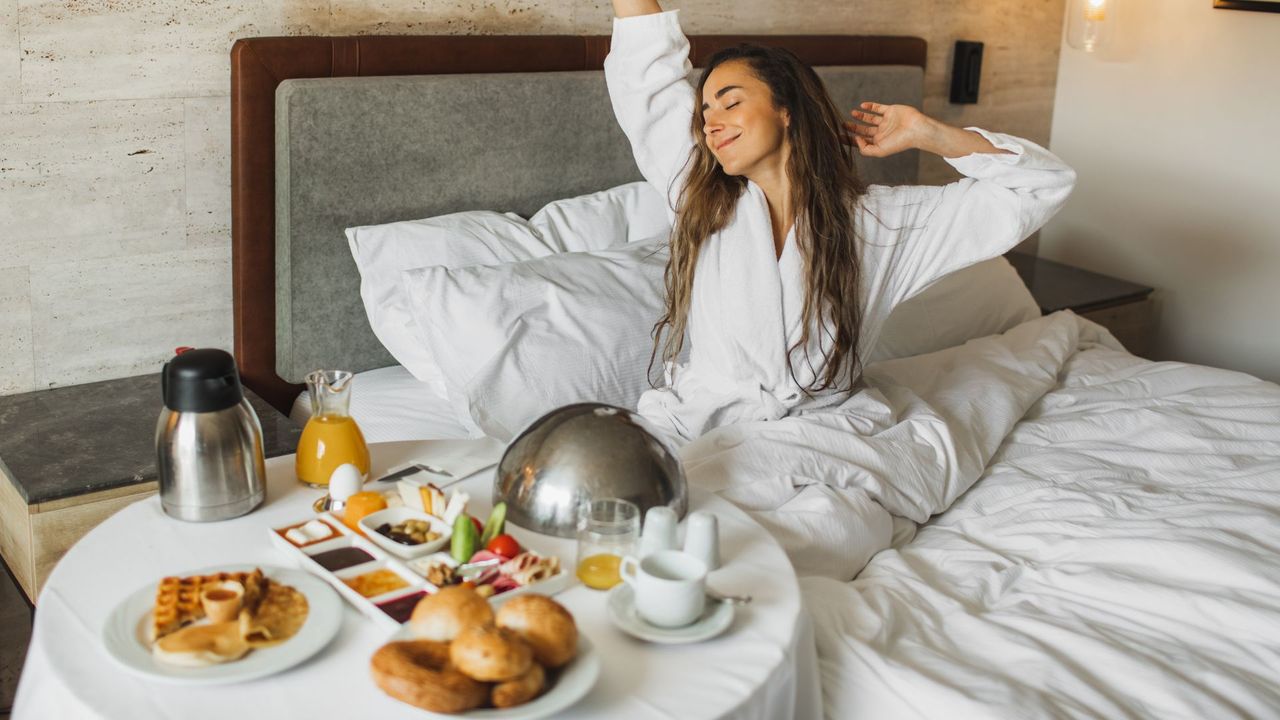
Research consistently highlights the connection between diet and sleep quality. A poor diet can negatively impact sleep, while inadequate sleep can lead to unhealthy eating habits. Conversely, a balanced diet rich in whole grains, fruits, and vegetables is known to promote better sleep. Recent discussions have surfaced around a specific eating pattern that not only supports weight loss and longevity but may also enhance sleep quality. This approach, often summarized by the saying, “breakfast like a king, dinner like a pauper,” has garnered attention from health experts.
Understanding the “Breakfast Like a King” Diet
The phrase “breakfast like a king, lunch like a prince, and dinner like a pauper” refers to a strategic eating pattern where individuals consume the majority of their daily calories earlier in the day. According to Kathleen Benson, a registered dietitian-nutritionist at VNutrition, this approach typically involves allocating approximately 50% of daily caloric intake to breakfast, about 30% to lunch, and leaving around 20% for dinner.
Benson describes this method as a “timing strategy” that aligns with the body’s natural metabolism, which is generally more active during the morning hours. She explains, “Eating more in the morning and less at night could align better with circadian rhythm.” By adopting this eating style, individuals may not only manage their weight but also enhance their overall sleep quality.
The Impact of Evening Meals on Sleep
Studies suggest that lighter meals in the evening can significantly improve sleep, particularly for those who suffer from conditions like acid reflux or gastroesophageal reflux disease (GERD). Benson notes that consuming a large meal shortly before bed can exacerbate reflux symptoms. “Giving the body a few hours to digest or having a lighter meal before bed can help people feel more comfortable at night,” she advises.
Moreover, Hannah Shore, Head of Sleep Science at Mattress Online, agrees that meal timing plays a crucial role in regulating the circadian rhythm. “When our circadian rhythm is entrained, we can find it easier to fall asleep quickly and wake up,” she states. She also highlights the importance of body temperature, noting that digestion raises core temperature. For optimal sleep, it is beneficial to consume lighter, less complex meals in the evening.
Nevertheless, Benson warns that a lighter dinner may not be suitable for everyone. Individuals who experience hunger before bedtime might find it challenging to sleep well. “For some, a lighter dinner can help, but for others, it may lead to restlessness,” she cautions. This is particularly true for those who train in the evening or have blood sugar regulation issues. A minimal dinner could hinder recovery for athletes or lead to overnight drops in blood glucose for those with diabetes.
Choosing the Right Foods for a Peaceful Night’s Sleep
Determining the ideal “pauper’s dinner” can vary based on individual needs. Benson emphasizes that those with specific dietary restrictions or conditions should adjust their calorie intake accordingly. “If someone trains hard in the evening, they may need more fuel at dinner to support recovery and stable sleep,” she explains.
Regardless of individual circumstances, Benson recommends that evening meals should be nutrient-rich. “I would still recommend pairing a meal with fiber-dense carbohydrates, protein, healthy fats, and non-starchy vegetables,” she suggests. Shore echoes this advice, advocating for easily digestible non-starchy vegetables like mushrooms, spinach, and broccoli, while recommending that heavier vegetables like potatoes and corn be avoided.
She adds that cooking vegetables thoroughly aids digestion, making it easier for the body to process food before bedtime. “The quicker our food is digested, the more time we have for our bodies to cool down before sleep,” she explains.
In conclusion, the “breakfast like a king, dinner like a pauper” eating pattern offers a potential strategy for improving sleep quality. By focusing on meal timing and composition, individuals may find themselves falling asleep faster and enjoying deeper rest. As always, personal preferences and health conditions should guide dietary choices for optimal sleep results.













Revolutionary Photonic Ski-Jump Could Miniaturize LiDAR Systems

Couples Detox from Plastics in New Netflix Doc: Can It Boost Fertility?

Aventon Launches Affordable Full-Suspension Electric Mountain Bike

Discover Eight Must-Try Restaurants This Spring Season

UC Irvine Team Unveils Innovative Ion Pump for Water Treatment

One-Third of Americans Trim Daily Expenses for Healthcare Needs

Apple Secures First Oscar in Three Years with F1: The Movie

Fourth Graders Celebrate St. Patrick’s Day with Creative Weather Drawings

Kim Kardashian Dazzles at Vanity Fair Oscars Party 2026

Nostradamus’ 2026 Predictions: Star Death and Dark Events Loom

Breakthroughs and Challenges Await Science in 2026

Electric Moto Influencer Surronster Arrested in Tijuana

OpenAI to Implement Age Verification for ChatGPT by December 2025

Discover the Top 10 Calorie Counting Apps of 2025

Recovering a Suspended TikTok Account: A Step-by-Step Guide

Bella Hadid Shares Health Update After Treatment for Lyme Disease

Backpack Drives Equip Students with Supplies for New School Year

Analysts Project Stronger Growth for Apple’s iPhone 17 Lineup
-
 Science8 months ago
Nostradamus’ 2026 Predictions: Star Death and Dark Events Loom
-
 Science8 months ago
Breakthroughs and Challenges Await Science in 2026
-
 Technology11 months ago
Electric Moto Influencer Surronster Arrested in Tijuana
-
 Technology9 months ago
OpenAI to Implement Age Verification for ChatGPT by December 2025
-
 Technology1 year ago
Discover the Top 10 Calorie Counting Apps of 2025
-
 Technology1 year ago
Recovering a Suspended TikTok Account: A Step-by-Step Guide
-
 Health11 months ago
Bella Hadid Shares Health Update After Treatment for Lyme Disease
-
 Education1 year ago
Backpack Drives Equip Students with Supplies for New School Year
-
 Health11 months ago
Analysts Project Stronger Growth for Apple’s iPhone 17 Lineup
-

 Health12 months ago
Japanese Study Finds Rose Oil Can Increase Brain Gray Matter
-

 Technology8 months ago
Top 10 Penny Stocks to Watch in 2026 for Strong Returns
-

 Science10 months ago
Starship V3 Set for 2026 Launch After Successful Final Test of Version 2