
Technology
Discover 12 Essential Types of Wire Connectors and Their Uses

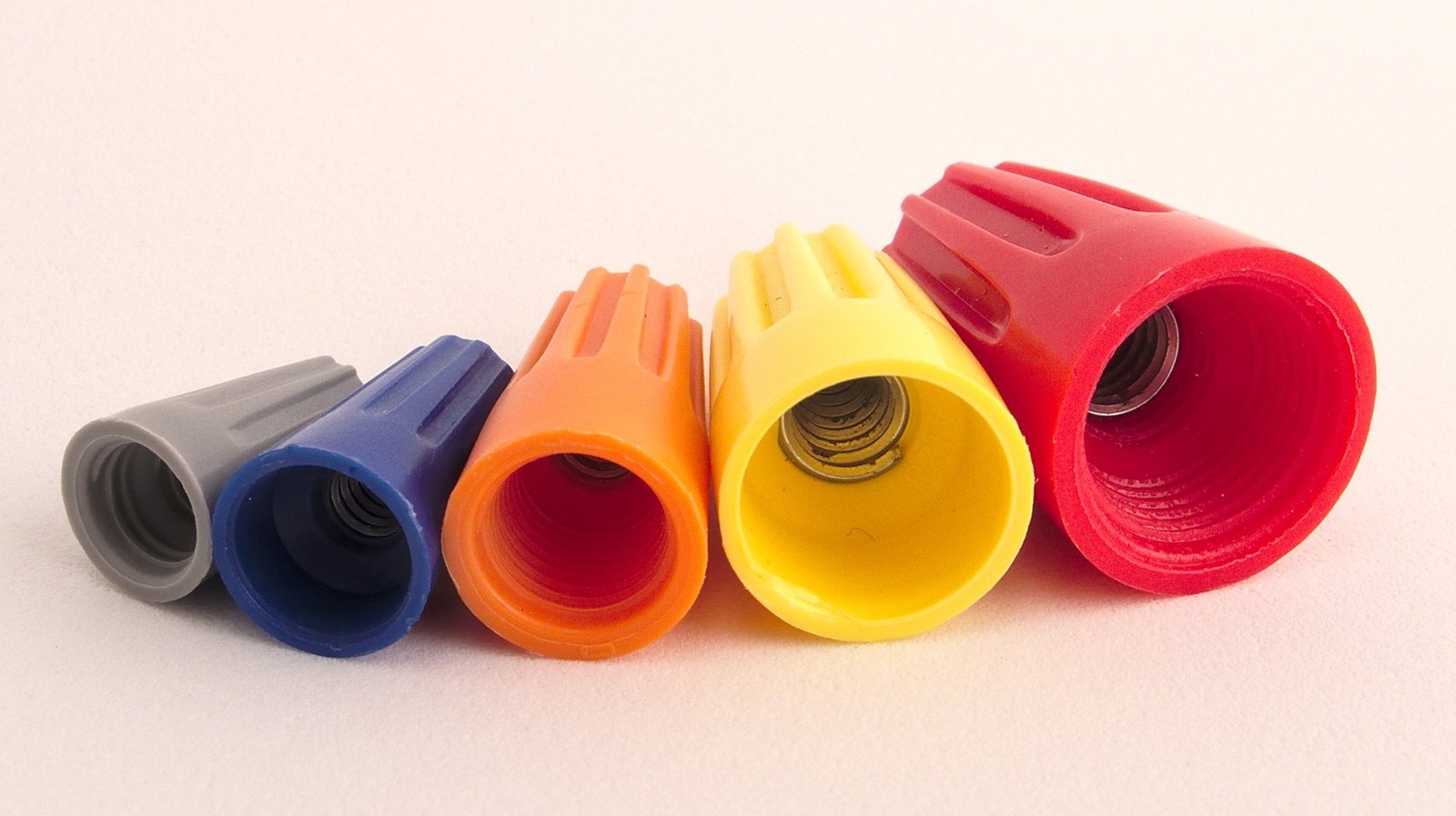
Connecting wires is an integral part of modern life, with various types of connectors developed for different applications. From household wiring to complex industrial systems, understanding the various wire connectors can enhance safety and efficiency. This article outlines twelve common types of wire connectors, detailing their specific uses and characteristics.
Understanding Common Wire Connectors
One of the most prevalent types of wire connectors is the twist-on wire connector, commonly known as a wire nut. These connectors are user-friendly and suitable for a range of electrical applications. To use a wire nut, simply twist the wires together, insert them into the connector, and screw it until secure. While electrical tape is often used as an additional precaution, it is not necessary for a secure connection. Wire nuts are frequently found in residential settings, commercial environments, and even in automotive wiring.
Another variation is the winged twist-on wire connector, which incorporates plastic wings for added leverage. This feature is particularly useful in tight spaces, although the connector is larger than its non-winged counterpart. Similar to standard wire nuts, the winged connector ensures a reliable connection, minimizing electrical risks. Both types are available in various sizes and colors, indicating their voltage and wire gauge capacities.
For more permanent connections, crimp-on wire connectors are often preferred. These connectors require additional tools, including wire strippers and crimpers, to secure the wires. Once the wires are inserted, the crimper compresses the connector around them, forming a strong bond. Crimp-on connectors are particularly effective for smaller wires or in environments with high vibration, such as industrial settings, boats, and automobiles.
Push-in connectors, popular in countries like Japan, offer an intuitive method for connecting wires. Users simply push the wires into the connector, which can accommodate multiple wires simultaneously. While these connectors are less common in the United States, they are ideal for general-purpose electrical wiring. However, caution is advised, as improper sizing can lead to disconnections.
The lever wire connector, often associated with the brand Wago, enhances the design of push-in connectors by incorporating a locking mechanism. This feature significantly improves stability, allowing for easy disconnection and reconnection. Widely used in residential and commercial applications, lever connectors provide a secure alternative for temporary setups, such as lighting installations.
Specialized Connectors for Unique Needs
T-tap wire connectors offer a unique solution for tapping into existing wiring without severing it. This connector attaches to a primary wire and allows another wire to connect without cutting or stripping the main line. Known also as quick splicers, T-tap connectors are often utilized in residential and commercial wiring projects.
Heat shrink wire connectors require a heat gun for use, creating a secure and waterproof connection. Once the connector is heated, it bonds tightly around the wires, making it suitable for harsh environments. These connectors are commonly used in automotive, marine, and industrial applications, where durability is essential.
Waterproof wire connectors are designed to withstand moist conditions, featuring a dielectric sealant that protects against water damage. These connectors function similarly to winged twist-on connectors but provide additional protection, making them suitable for outdoor applications such as landscape lighting.
Aluminum to copper (Al/Cu) wire connectors are specifically designed to connect aluminum and copper wiring. Given the potential for corrosion when these two metals are in contact, using specialized connectors like those from AlumiConn ensures a safe and effective connection. These connectors often include silicone sealant to further mitigate corrosion risks.
Lastly, underground wire connectors are built for use in harsh subterranean environments. These connectors are twist-on types encased in a tube filled with dielectric silicone sealant, providing protection against moisture and dirt. They are essential for underground installations, ensuring long-lasting connections despite challenging conditions.
In conclusion, understanding the various types of wire connectors and their specific applications can greatly enhance safety and reliability in electrical projects. Whether for residential, commercial, or industrial purposes, selecting the right connector is crucial for ensuring effective and secure wiring. With proper knowledge and tools, users can confidently tackle their electrical needs, reducing the risk of hazards and enhancing functionality.

Revolutionary Photonic Ski-Jump Could Miniaturize LiDAR Systems

Couples Detox from Plastics in New Netflix Doc: Can It Boost Fertility?

Aventon Launches Affordable Full-Suspension Electric Mountain Bike

Discover Eight Must-Try Restaurants This Spring Season

UC Irvine Team Unveils Innovative Ion Pump for Water Treatment

One-Third of Americans Trim Daily Expenses for Healthcare Needs

Apple Secures First Oscar in Three Years with F1: The Movie

Fourth Graders Celebrate St. Patrick’s Day with Creative Weather Drawings

Kim Kardashian Dazzles at Vanity Fair Oscars Party 2026

Nostradamus’ 2026 Predictions: Star Death and Dark Events Loom

Breakthroughs and Challenges Await Science in 2026

Electric Moto Influencer Surronster Arrested in Tijuana

OpenAI to Implement Age Verification for ChatGPT by December 2025

Discover the Top 10 Calorie Counting Apps of 2025

Recovering a Suspended TikTok Account: A Step-by-Step Guide

Bella Hadid Shares Health Update After Treatment for Lyme Disease

Backpack Drives Equip Students with Supplies for New School Year

Analysts Project Stronger Growth for Apple’s iPhone 17 Lineup
-
 Science7 months ago
Nostradamus’ 2026 Predictions: Star Death and Dark Events Loom
-
 Science7 months ago
Breakthroughs and Challenges Await Science in 2026
-
 Technology10 months ago
Electric Moto Influencer Surronster Arrested in Tijuana
-
 Technology8 months ago
OpenAI to Implement Age Verification for ChatGPT by December 2025
-
 Technology1 year ago
Discover the Top 10 Calorie Counting Apps of 2025
-
 Technology1 year ago
Recovering a Suspended TikTok Account: A Step-by-Step Guide
-
 Health10 months ago
Bella Hadid Shares Health Update After Treatment for Lyme Disease
-
 Education1 year ago
Backpack Drives Equip Students with Supplies for New School Year
-
 Health11 months ago
Analysts Project Stronger Growth for Apple’s iPhone 17 Lineup
-

 Technology7 months ago
Top 10 Penny Stocks to Watch in 2026 for Strong Returns
-

 Health11 months ago
Japanese Study Finds Rose Oil Can Increase Brain Gray Matter
-

 Science10 months ago
Starship V3 Set for 2026 Launch After Successful Final Test of Version 2