
Technology
Cybercriminals Revive DarkComet Spyware as Fake Bitcoin Wallet

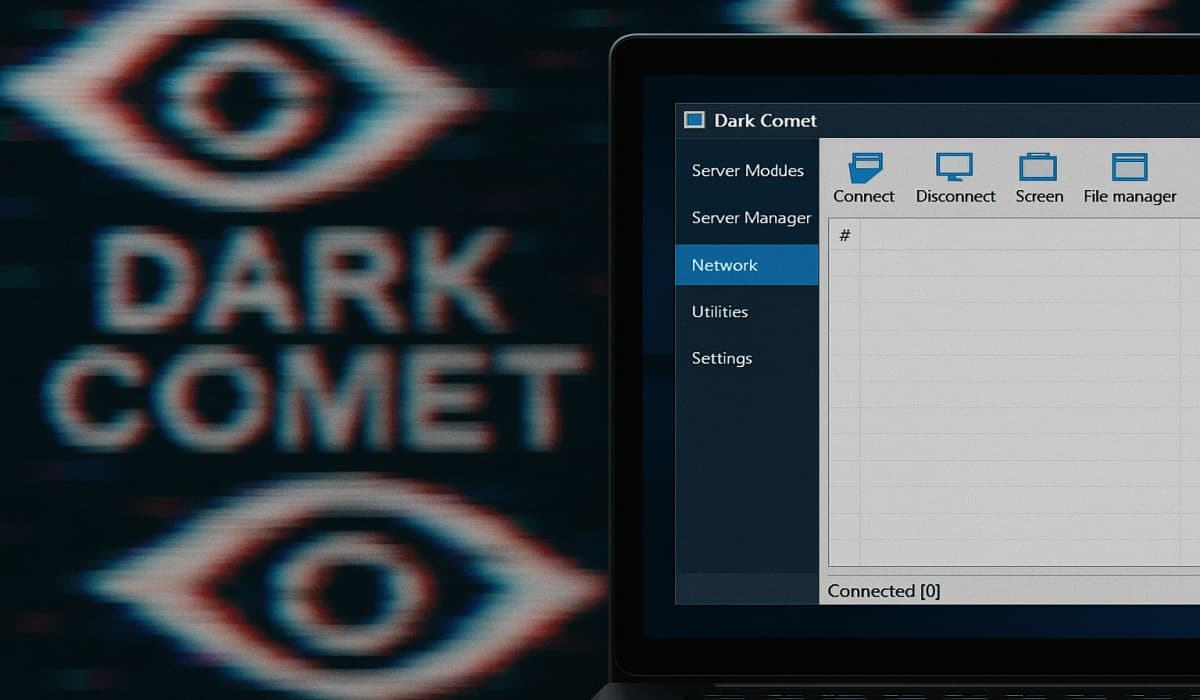
Cybercriminals have resurfaced the notorious DarkComet RAT, a piece of spyware originally developed in 2008, cleverly disguised as a fake Bitcoin wallet application. The malware was identified by the Lat61 Threat Intelligence Team at Point Wild, highlighting the ongoing risks associated with cryptocurrency and digital security. This incident illustrates how outdated malicious software can be repackaged to exploit contemporary trends.
The DarkComet Remote Access Trojan (RAT) allows hackers to gain complete and covert control over a victim’s computer. It features capabilities such as keylogging, file theft, and even webcam surveillance. The malware has a notorious history, being referenced in the WikiLeaks Vault 7 data leak, which revealed its use by both the American CIA and the Syrian government to infiltrate the devices of their citizens.
Malware Delivery and Evasion Techniques
The recent variant of DarkComet was delivered in a compressed RAR file, a common tactic employed by cybercriminals to bypass security protocols and entice users to open the file. Upon extraction, the file was identified as “94k BTC wallet.exe.” Further analysis uncovered that the file was “packed” using a technique known as UPX, which conceals the malicious code, making it difficult for standard security measures to detect the threat until it executes.
Once activated, the DarkComet RAT embeds itself into a hidden system folder and establishes an autostart entry, ensuring it launches automatically with every system boot. It then connects to a specific remote server, kvejo991.ddns.net, on port 1604, enabling ongoing communication with the attacker to receive commands.
Risks and Implications for Cryptocurrency Users
The primary objective of this malware is evident in its keylogging functionality, which records every keystroke made by the victim and saves this information in a local folder labeled dclogs. Such logs can contain sensitive data, including passwords, banking information, and, crucially, access credentials for Bitcoin wallets. This poses a significant risk of financial loss for victims.
The findings from this investigation were shared with Hackread.com, underscoring the importance of downloading cryptocurrency wallets and trading applications only from verified and reputable sources. Dr. Zulfikar Ramzan, Chief Technology Officer of Point Wild and head of the Lat61 team, emphasized the continued threat posed by old malware, stating, “Old malware never truly dies – it just gets repackaged. DarkComet’s return inside a fake Bitcoin tool shows how cybercriminals recycle classic RATs to exploit modern hype.”
This resurgence of DarkComet serves as a critical reminder for individuals involved in digital currencies to remain vigilant. As cybercriminals adapt their strategies to incorporate familiar tools into new scams, the need for robust cybersecurity measures is more pressing than ever.













Revolutionary Photonic Ski-Jump Could Miniaturize LiDAR Systems

Couples Detox from Plastics in New Netflix Doc: Can It Boost Fertility?

Aventon Launches Affordable Full-Suspension Electric Mountain Bike

Discover Eight Must-Try Restaurants This Spring Season

UC Irvine Team Unveils Innovative Ion Pump for Water Treatment

One-Third of Americans Trim Daily Expenses for Healthcare Needs

Apple Secures First Oscar in Three Years with F1: The Movie

Fourth Graders Celebrate St. Patrick’s Day with Creative Weather Drawings

Kim Kardashian Dazzles at Vanity Fair Oscars Party 2026

Nostradamus’ 2026 Predictions: Star Death and Dark Events Loom

Breakthroughs and Challenges Await Science in 2026

Electric Moto Influencer Surronster Arrested in Tijuana

OpenAI to Implement Age Verification for ChatGPT by December 2025

Discover the Top 10 Calorie Counting Apps of 2025

Recovering a Suspended TikTok Account: A Step-by-Step Guide

Bella Hadid Shares Health Update After Treatment for Lyme Disease

Backpack Drives Equip Students with Supplies for New School Year

Analysts Project Stronger Growth for Apple’s iPhone 17 Lineup
-
 Science8 months ago
Nostradamus’ 2026 Predictions: Star Death and Dark Events Loom
-
 Science8 months ago
Breakthroughs and Challenges Await Science in 2026
-
 Technology11 months ago
Electric Moto Influencer Surronster Arrested in Tijuana
-
 Technology9 months ago
OpenAI to Implement Age Verification for ChatGPT by December 2025
-
 Technology1 year ago
Discover the Top 10 Calorie Counting Apps of 2025
-
 Technology1 year ago
Recovering a Suspended TikTok Account: A Step-by-Step Guide
-
 Health11 months ago
Bella Hadid Shares Health Update After Treatment for Lyme Disease
-
 Education1 year ago
Backpack Drives Equip Students with Supplies for New School Year
-
 Health12 months ago
Analysts Project Stronger Growth for Apple’s iPhone 17 Lineup
-

 Health12 months ago
Japanese Study Finds Rose Oil Can Increase Brain Gray Matter
-

 Technology8 months ago
Top 10 Penny Stocks to Watch in 2026 for Strong Returns
-

 Science10 months ago
Starship V3 Set for 2026 Launch After Successful Final Test of Version 2