
Technology
Concerns Rise Over Data Centers’ Environmental Impact

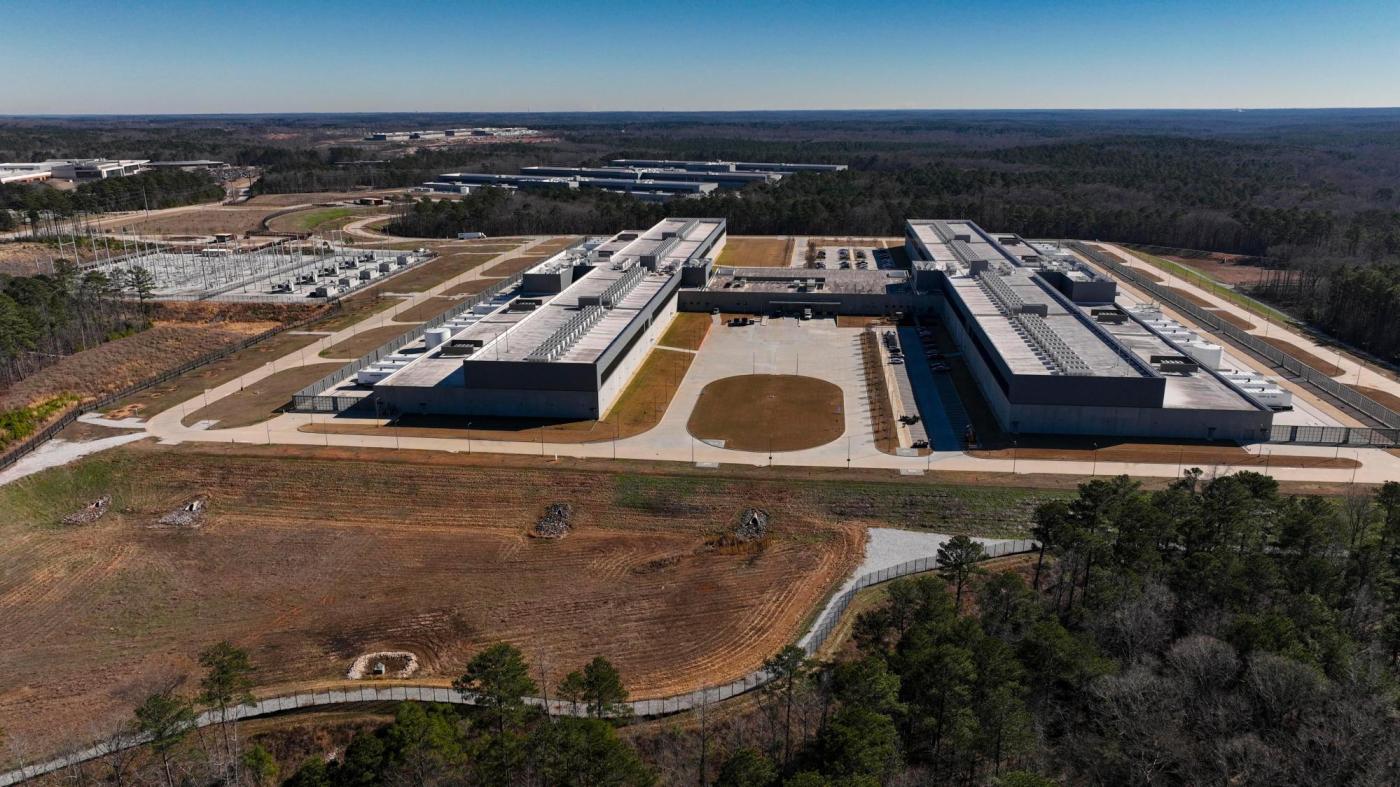
The rapid expansion of data centers, particularly in regions like Maryland, has sparked significant concern among local residents and experts alike. Critics argue that these facilities, often touted as essential for advancing artificial intelligence (AI), pose substantial environmental threats while benefiting only a select few.
According to local resident Kevin G. Becker from Sparks Glencoe, the proliferation of data centers is misguided. He believes that these massive structures are detrimental to community welfare, driving up power costs that ultimately fall on ratepayers. Becker highlights the need for local governance to manage developments that significantly impact their environment, warning against a ban on state or local control of these projects.
The environmental implications of data centers are severe. They require vast amounts of electricity, leading to increased demand for power lines that often cross private properties. This expansion not only disrupts local ecosystems but also raises concerns about energy costs for residents. Becker argues that the financial burden associated with these facilities does not benefit the local communities, suggesting that the focus on AI and its infrastructure is misplaced.
Looking ahead, Becker forecasts a shift in the utility of these data centers. He envisions a future where, in three to seven years, the landscape may be dotted with self-storage facilities, recreational areas such as pickleball courts, day care centers, and even cannabis cultivation sites rather than energy-intensive data centers. This prediction stems from his belief that ongoing advancements in algorithms and computational efficiency will render these large, energy-consuming buildings obsolete.
The anticipated breakthroughs in quantum computing, projected to occur within the next five to seven years, could further diminish the need for traditional data centers. Quantum computers promise to perform calculations thousands of times faster than current systems, leading to a potential reduction in the demand for extensive physical infrastructure. Becker emphasizes that improvements in technology may prove to be much more cost-effective than the rising costs of energy.
Becker’s comments reflect a broader skepticism regarding the motivations driving the expansion of data centers. He raises concerns about the influence of tech entrepreneurs and wealthy political donors on decisions that shape the future of local communities. With a focus on profits, he argues that the voices of local citizens are often overlooked in favor of financial gain.
The ongoing debate about data centers highlights the need for careful consideration of their environmental impact and the importance of community involvement in local decision-making. As technological advancements continue to reshape our world, the balance between progress and sustainability remains a critical discussion point for residents and policymakers alike.
As communities grapple with the implications of these facilities, it becomes increasingly important for local governments to take an active role in managing developments that could affect their residents’ quality of life.













Revolutionary Photonic Ski-Jump Could Miniaturize LiDAR Systems

Couples Detox from Plastics in New Netflix Doc: Can It Boost Fertility?

Aventon Launches Affordable Full-Suspension Electric Mountain Bike

Discover Eight Must-Try Restaurants This Spring Season

UC Irvine Team Unveils Innovative Ion Pump for Water Treatment

One-Third of Americans Trim Daily Expenses for Healthcare Needs

Apple Secures First Oscar in Three Years with F1: The Movie

Fourth Graders Celebrate St. Patrick’s Day with Creative Weather Drawings

Kim Kardashian Dazzles at Vanity Fair Oscars Party 2026

Nostradamus’ 2026 Predictions: Star Death and Dark Events Loom

Breakthroughs and Challenges Await Science in 2026

Electric Moto Influencer Surronster Arrested in Tijuana

OpenAI to Implement Age Verification for ChatGPT by December 2025

Discover the Top 10 Calorie Counting Apps of 2025

Bella Hadid Shares Health Update After Treatment for Lyme Disease

Analysts Project Stronger Growth for Apple’s iPhone 17 Lineup

Japanese Study Finds Rose Oil Can Increase Brain Gray Matter

Top 10 Penny Stocks to Watch in 2026 for Strong Returns
-
 Science3 months ago
Nostradamus’ 2026 Predictions: Star Death and Dark Events Loom
-
 Science4 months ago
Breakthroughs and Challenges Await Science in 2026
-
 Technology7 months ago
Electric Moto Influencer Surronster Arrested in Tijuana
-
 Technology4 months ago
OpenAI to Implement Age Verification for ChatGPT by December 2025
-
 Technology9 months ago
Discover the Top 10 Calorie Counting Apps of 2025
-
 Health7 months ago
Bella Hadid Shares Health Update After Treatment for Lyme Disease
-
 Health7 months ago
Analysts Project Stronger Growth for Apple’s iPhone 17 Lineup
-
 Health7 months ago
Japanese Study Finds Rose Oil Can Increase Brain Gray Matter
-
 Technology4 months ago
Top 10 Penny Stocks to Watch in 2026 for Strong Returns
-

 Science6 months ago
Starship V3 Set for 2026 Launch After Successful Final Test of Version 2
-

 Technology1 month ago
Nvidia GTC 2026: Major Announcements Expected for AI and Hardware
-

 Education7 months ago
Harvard Secures Court Victory Over Federal Funding Cuts