
Technology
ChatGPT May Transform Apple Health Data into Personalized Insights

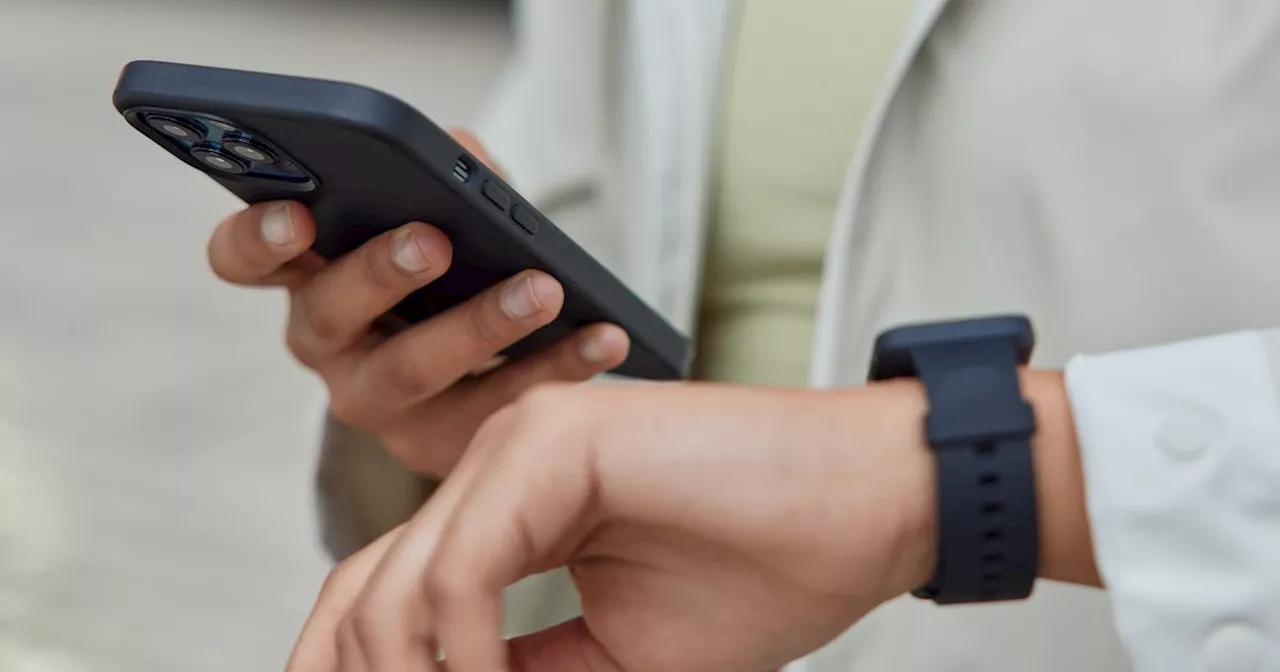
Recent findings from code analysis of the ChatGPT iPhone app indicate a significant potential development in health technology. A hidden icon pertaining to Apple Health suggests that OpenAI may soon allow ChatGPT to access user health data, paving the way for a more interactive health management experience. Although the feature is not yet active, its introduction could occur as early as 2026.
This anticipated functionality would enable ChatGPT to interpret various health metrics, including activity levels, sleep patterns, dietary habits, and respiratory data. Users could engage with the AI by asking questions like, “How’s my sleep lately?” or “Should I adjust my workouts based on last week’s data?” Such interactions could transform health tracking from a passive exercise into a dynamic conversation, particularly appealing to those who find traditional data analysis daunting.
The implications of this development are profound. If fully realized, it could shift the role of health apps from simple data logging to active health coaching. For many individuals, particularly those with busy lifestyles, this could mean the difference between sporadically tracking metrics and actively using health data to foster better habits. Rather than sifting through complex charts and statistics, users could gain straightforward, actionable feedback directly from ChatGPT.
For current users of Apple Health, this potential enhancement may fundamentally change how they interpret their health data. Instead of manually reviewing statistics, they could pose simple questions such as, “Was I more active this week than last?” and receive concise, human-like responses. This ease of access could democratize health insights, making them available not only to data enthusiasts but also to those who prefer a more user-friendly approach.
As this feature remains unconfirmed, it is essential to approach the information cautiously. Observers should pay attention to the “Apps & Connectors” section of the ChatGPT app for any mention of Apple Health, which would serve as an indicator of progress. Additionally, users will need to consider privacy aspects carefully. When the feature launches, it will be crucial to review permissions regarding what data is shared with ChatGPT and ensure that users are comfortable with the level of access granted to their health information.
Looking ahead, the introduction of this feature could signify a broader shift in how technology interacts with personal health management. As the landscape of health apps evolves, users might soon have access to a friendly AI coach, transforming the relationship between individuals and their health data. For those who are curious about fitness, sleep, and wellness yet find traditional methods intimidating, ChatGPT could offer a bridge between raw numbers and meaningful insights.
As developments unfold, keeping an eye on further updates from OpenAI and Apple will be vital for anyone interested in enhancing their health tracking capabilities. The future of health technology could soon become more conversational and accessible, making the management of well-being a collaborative effort between users and AI.












Revolutionary Photonic Ski-Jump Could Miniaturize LiDAR Systems

Couples Detox from Plastics in New Netflix Doc: Can It Boost Fertility?

Aventon Launches Affordable Full-Suspension Electric Mountain Bike

Discover Eight Must-Try Restaurants This Spring Season

UC Irvine Team Unveils Innovative Ion Pump for Water Treatment

One-Third of Americans Trim Daily Expenses for Healthcare Needs

Apple Secures First Oscar in Three Years with F1: The Movie

Fourth Graders Celebrate St. Patrick’s Day with Creative Weather Drawings

Kim Kardashian Dazzles at Vanity Fair Oscars Party 2026

Nostradamus’ 2026 Predictions: Star Death and Dark Events Loom

Breakthroughs and Challenges Await Science in 2026

Electric Moto Influencer Surronster Arrested in Tijuana

OpenAI to Implement Age Verification for ChatGPT by December 2025

Discover the Top 10 Calorie Counting Apps of 2025

Bella Hadid Shares Health Update After Treatment for Lyme Disease

Analysts Project Stronger Growth for Apple’s iPhone 17 Lineup

Japanese Study Finds Rose Oil Can Increase Brain Gray Matter

Top 10 Penny Stocks to Watch in 2026 for Strong Returns
-
 Science3 months ago
Nostradamus’ 2026 Predictions: Star Death and Dark Events Loom
-
 Science4 months ago
Breakthroughs and Challenges Await Science in 2026
-
 Technology7 months ago
Electric Moto Influencer Surronster Arrested in Tijuana
-
 Technology4 months ago
OpenAI to Implement Age Verification for ChatGPT by December 2025
-
 Technology9 months ago
Discover the Top 10 Calorie Counting Apps of 2025
-
 Health7 months ago
Bella Hadid Shares Health Update After Treatment for Lyme Disease
-
 Health7 months ago
Analysts Project Stronger Growth for Apple’s iPhone 17 Lineup
-
 Health7 months ago
Japanese Study Finds Rose Oil Can Increase Brain Gray Matter
-
 Technology4 months ago
Top 10 Penny Stocks to Watch in 2026 for Strong Returns
-

 Science6 months ago
Starship V3 Set for 2026 Launch After Successful Final Test of Version 2
-

 Technology1 month ago
Nvidia GTC 2026: Major Announcements Expected for AI and Hardware
-

 Education7 months ago
Harvard Secures Court Victory Over Federal Funding Cuts