
Technology
Automakers Innovate with Smart Technology in New Car Models

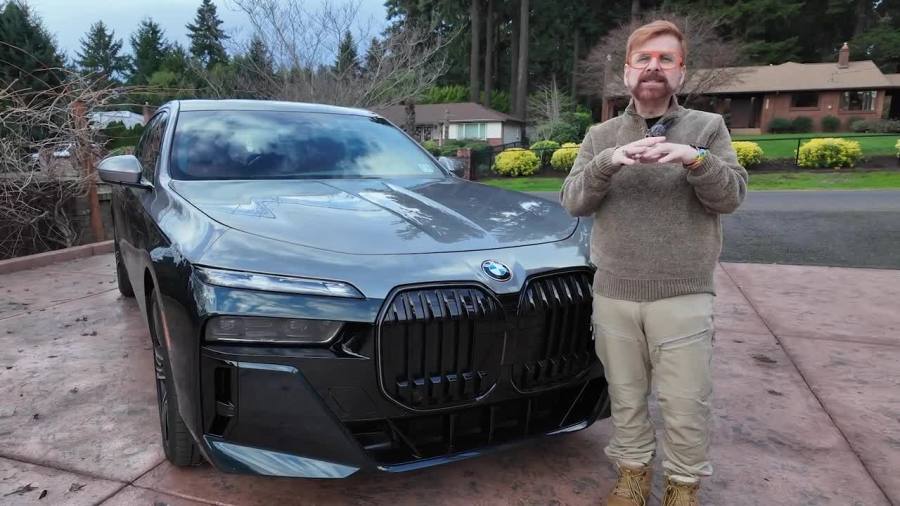
The automotive industry is undergoing a significant transformation as manufacturers introduce advanced technology in their latest models. According to a report from TestMiles, the focus has shifted from traditional features, such as engine size and body design, to high-tech innovations that redefine what a car can do.
In 2023, automakers are launching vehicles equipped with features that enhance both functionality and driver experience. These advancements include touchless control systems, integrated health monitors, and infotainment platforms that cater to a wide array of lifestyle needs. For instance, new models are now capable of adjusting seat posture automatically while assessing the driver’s comfort level, promoting better ergonomics during travel.
High-Tech Features Transform Driving Experience
Today’s vehicles are increasingly designed to be more than just modes of transportation. They now serve as mobile offices, entertainment centers, and wellness hubs. The integration of large touchscreen displays that descend from overhead compartments exemplifies this shift. These screens provide easy access to navigation, media, and even vehicle diagnostics at the driver’s fingertips.
Furthermore, many new models include apps that allow users to control various vehicle settings remotely. This technology enables drivers to precondition their cars, check battery levels, and locate their vehicles in crowded parking lots. As noted by industry analysts, these features can add as much as $5,000 to the price of a vehicle, reflecting the growing consumer demand for enhanced convenience and connectivity.
Automakers are also placing an emphasis on user experience. Many vehicles now feature voice-activated controls, enabling drivers to adjust settings without taking their hands off the wheel. This hands-free approach is designed to minimize distractions, making the driving experience safer and more enjoyable.
Future of Automotive Technology
The innovations in the automotive sector are not limited to luxury vehicles. Manufacturers across various price ranges are implementing cutting-edge technology to reach a broader audience. From electric vehicles to hybrids and traditional combustion engines, the aim is to create a more connected and intelligent driving environment.
As competition intensifies, automakers are investing heavily in research and development. Reports indicate that companies are allocating billions of dollars to advance vehicle technology, with a significant focus on artificial intelligence and machine learning. These investments are expected to yield vehicles that can learn from drivers’ habits and preferences over time, further personalizing the driving experience.
In the coming years, the automotive landscape is likely to evolve even further. Experts suggest that we may see advancements such as fully autonomous driving capabilities and enhanced vehicle-to-vehicle communication systems, paving the way for safer roads and more efficient traffic management.
As the automotive industry embraces this new era of innovation, consumers can expect their next vehicle to be a sophisticated blend of technology, comfort, and safety. With manufacturers racing to keep up with the demand for smart features, the future of driving promises to be as exciting as it is transformative.

Revolutionary Photonic Ski-Jump Could Miniaturize LiDAR Systems

Couples Detox from Plastics in New Netflix Doc: Can It Boost Fertility?

Aventon Launches Affordable Full-Suspension Electric Mountain Bike

Discover Eight Must-Try Restaurants This Spring Season

UC Irvine Team Unveils Innovative Ion Pump for Water Treatment

One-Third of Americans Trim Daily Expenses for Healthcare Needs

Apple Secures First Oscar in Three Years with F1: The Movie

Fourth Graders Celebrate St. Patrick’s Day with Creative Weather Drawings

Kim Kardashian Dazzles at Vanity Fair Oscars Party 2026

Nostradamus’ 2026 Predictions: Star Death and Dark Events Loom

Breakthroughs and Challenges Await Science in 2026

Electric Moto Influencer Surronster Arrested in Tijuana

OpenAI to Implement Age Verification for ChatGPT by December 2025

Discover the Top 10 Calorie Counting Apps of 2025

Bella Hadid Shares Health Update After Treatment for Lyme Disease

Analysts Project Stronger Growth for Apple’s iPhone 17 Lineup

Japanese Study Finds Rose Oil Can Increase Brain Gray Matter

Top 10 Penny Stocks to Watch in 2026 for Strong Returns
-
 Science4 months ago
Nostradamus’ 2026 Predictions: Star Death and Dark Events Loom
-
 Science4 months ago
Breakthroughs and Challenges Await Science in 2026
-
 Technology7 months ago
Electric Moto Influencer Surronster Arrested in Tijuana
-
 Technology4 months ago
OpenAI to Implement Age Verification for ChatGPT by December 2025
-
 Technology9 months ago
Discover the Top 10 Calorie Counting Apps of 2025
-
 Health7 months ago
Bella Hadid Shares Health Update After Treatment for Lyme Disease
-
 Health7 months ago
Analysts Project Stronger Growth for Apple’s iPhone 17 Lineup
-
 Health7 months ago
Japanese Study Finds Rose Oil Can Increase Brain Gray Matter
-
 Technology4 months ago
Top 10 Penny Stocks to Watch in 2026 for Strong Returns
-

 Science6 months ago
Starship V3 Set for 2026 Launch After Successful Final Test of Version 2
-

 Technology2 months ago
Nvidia GTC 2026: Major Announcements Expected for AI and Hardware
-

 Education7 months ago
Harvard Secures Court Victory Over Federal Funding Cuts