
Technology
AR and VR Transform Art Experiences, Sparking Legal Challenges

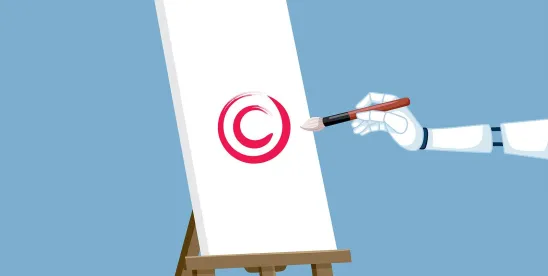
The art world is undergoing a significant transformation as augmented reality (AR) and virtual reality (VR) technologies reshape how art is created, viewed, and sold. Museums are now offering immersive experiences that allow visitors to engage with art in innovative ways, such as AR overlays that animate classic paintings and VR galleries that enable global access to exhibitions from the comfort of home. Despite these advances, the legal frameworks governing art are struggling to keep pace with these technological changes, raising pressing questions about copyright, liability, and ownership.
Emerging Technologies in Art
Augmented reality enhances the real world by overlaying digital information—such as text, images, and animations—onto real-world environments. In contrast, virtual reality immerses users in entirely simulated environments through devices like headsets. These technologies have opened new avenues for artistic expression. Artists now create immersive experiences that can be accessed via smartphones or VR headsets.
For instance, the Metropolitan Museum of Art recently launched a VR experience that allows users to explore the Temple of Dendur and other exhibits virtually. Similarly, AR platforms like Artivive enable users to bring artwork to life by interacting with it through their mobile devices, creating dynamic experiences that engage audiences in unprecedented ways.
As AR and VR gain popularity, they also introduce legal complexities. Questions arise around liability when AR applications overlay content on existing artworks. For example, if an AR feature animates a contemporary artist’s work without permission, does that constitute copyright infringement? Furthermore, does a virtual tour of a physical painting require additional permissions compared to an in-person exhibition?
Copyright and Ownership Challenges
The intersection of digital art and copyright law is increasingly complicated. Under U.S. Copyright Law, a work qualifies for copyright protection if it is an original creation fixed in a tangible form. This includes the exclusive rights to reproduce and distribute the work. However, AR content often incorporates existing works, heightening the risk of copyright claims and ownership disputes.
The doctrine of fair use allows limited use of copyrighted material without permission, but it is subject to specific criteria, including the purpose and character of the use, the nature of the copyrighted work, the amount of the work used, and the effect on the market value of the original work. Each case is assessed individually, leaving artists and institutions navigating a legal landscape characterized by uncertainty.
Recent rulings, such as the Supreme Court‘s decision in Google LLC v. Oracle America, Inc., which deemed Google’s use of Java API code as fair use, have provided some guidance. However, the court focused on functional rather than expressive uses, which complicates how these principles may apply to fine art. The lack of clear legal precedent leaves many in the art community uncertain about their rights and responsibilities.
As AR and VR technologies evolve, they present both opportunities and risks. Artists can reach wider audiences and explore new forms of creativity, as exemplified by urban artist Nychos, whose AR-enhanced mural of a T-Rex garnered over 300,000 views and 70,000 likes. Yet, the potential for copyright infringement looms large, necessitating robust licensing agreements and compliance measures.
The Way Forward
To navigate the complexities of AR and VR in the art world, stakeholders must prioritize legal compliance. The U.S. Copyright Office emphasizes the importance of securing permissions and obtaining licenses to respect original creators’ rights. AR platforms are increasingly incorporating terms and conditions that require users to confirm ownership of the intellectual property they upload, aiming to mitigate potential conflicts.
As immersive technologies become integral to artistic expression, the gap between innovation and legal clarity is likely to widen. It is imperative for courts, legislatures, and industry standards to address the unique challenges posed by these advancements. Without clear guidelines, artists may struggle to protect their creations while exploring the vast potential of AR and VR.







Revolutionary Photonic Ski-Jump Could Miniaturize LiDAR Systems

Couples Detox from Plastics in New Netflix Doc: Can It Boost Fertility?

Aventon Launches Affordable Full-Suspension Electric Mountain Bike

Discover Eight Must-Try Restaurants This Spring Season

UC Irvine Team Unveils Innovative Ion Pump for Water Treatment

One-Third of Americans Trim Daily Expenses for Healthcare Needs

Apple Secures First Oscar in Three Years with F1: The Movie

Fourth Graders Celebrate St. Patrick’s Day with Creative Weather Drawings

Kim Kardashian Dazzles at Vanity Fair Oscars Party 2026

Nostradamus’ 2026 Predictions: Star Death and Dark Events Loom

Breakthroughs and Challenges Await Science in 2026

Electric Moto Influencer Surronster Arrested in Tijuana

OpenAI to Implement Age Verification for ChatGPT by December 2025

Discover the Top 10 Calorie Counting Apps of 2025

Bella Hadid Shares Health Update After Treatment for Lyme Disease

Analysts Project Stronger Growth for Apple’s iPhone 17 Lineup

Japanese Study Finds Rose Oil Can Increase Brain Gray Matter

Top 10 Penny Stocks to Watch in 2026 for Strong Returns
-
 Science4 months ago
Nostradamus’ 2026 Predictions: Star Death and Dark Events Loom
-
 Science4 months ago
Breakthroughs and Challenges Await Science in 2026
-
 Technology7 months ago
Electric Moto Influencer Surronster Arrested in Tijuana
-
 Technology4 months ago
OpenAI to Implement Age Verification for ChatGPT by December 2025
-
 Technology9 months ago
Discover the Top 10 Calorie Counting Apps of 2025
-
 Health7 months ago
Bella Hadid Shares Health Update After Treatment for Lyme Disease
-
 Health7 months ago
Analysts Project Stronger Growth for Apple’s iPhone 17 Lineup
-
 Health7 months ago
Japanese Study Finds Rose Oil Can Increase Brain Gray Matter
-
 Technology4 months ago
Top 10 Penny Stocks to Watch in 2026 for Strong Returns
-

 Science6 months ago
Starship V3 Set for 2026 Launch After Successful Final Test of Version 2
-

 Technology1 month ago
Nvidia GTC 2026: Major Announcements Expected for AI and Hardware
-

 Education7 months ago
Harvard Secures Court Victory Over Federal Funding Cuts