
Technology
Alabama Senate Proposes Bills to Regulate Data Center Incentives

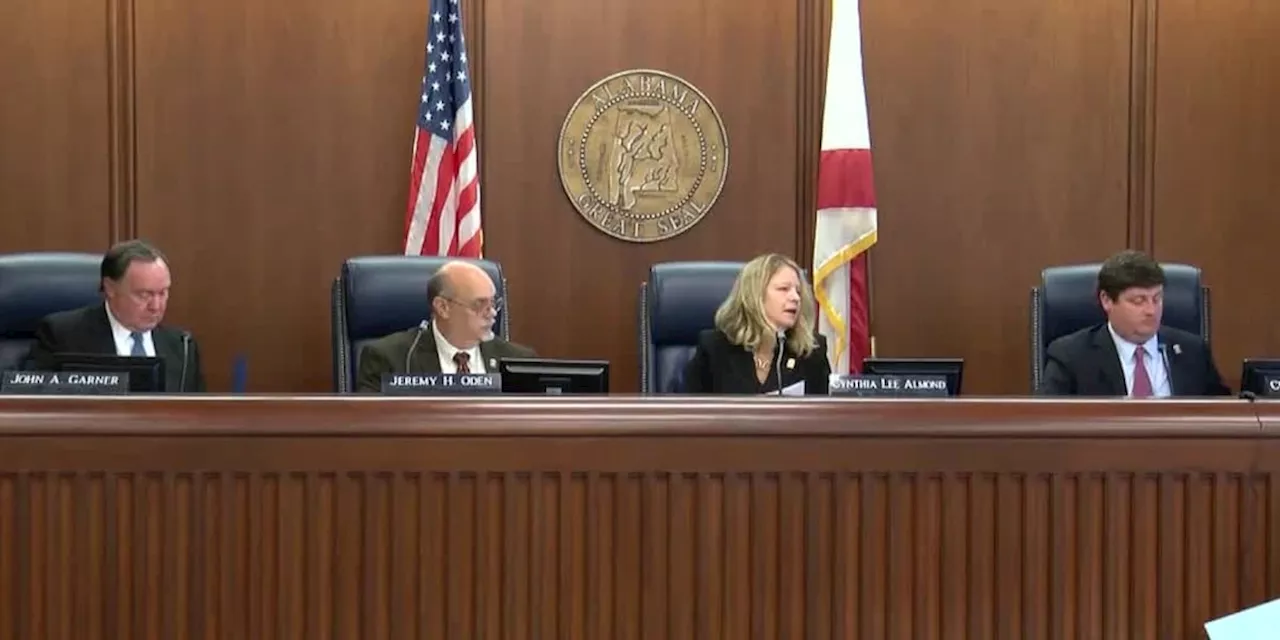
Alabama lawmakers unveiled a package of three bills on February 5, 2024, aimed at reforming tax incentives for data centers and regulating utility costs associated with these high-energy facilities. The proposed legislation seeks to ensure that large data centers, which consume significant amounts of electricity, do not unfairly burden other customers with increased utility bills.
The first bill, Senate Bill 270, sponsored by Senator Bell, targets large data centers that use at least 150 megawatts of electricity—enough to power approximately 112,000 homes. This legislation mandates that utilities must account for the additional costs incurred due to these facilities, ensuring that any agreements made do not negatively impact everyday ratepayers. The intent is to create a structure where the financial implications of these massive energy consumers are transparent and equitable.
Another significant element of the package is Senate Bill 268, which proposes a shift in the way the Public Service Commission operates. If passed, this bill would eliminate elections for commission seats, allowing political leaders to appoint commissioners instead. Starting in 2028, the governor would appoint the commission president, with the House Speaker and Senate President Pro Tempore selecting associate commissioners two years later. All appointments would require Senate confirmation. This bill also addresses potential conflicts of interest by broadening restrictions on lobbying costs, ensuring that utilities cannot pass these expenses onto consumers.
Critics, including Daniel Tait, Executive Director of Energy Alabama, have voiced concerns regarding the implications of these changes. Tait stated, “Alabama Power is so scared of voters that they are trying to take you out of the equation completely. If the Alabama Power Grab passes, the public loses oversight and the utility gains insulation once and for all. That is the whole point.”
The third bill, Senate Bill 265, focuses on limiting the state’s generous tax incentives for data centers. Currently, substantial projects can receive tax breaks for up to 30 years. This bill proposes capping incentives at 20 years for agreements made after January 1, 2027. Additionally, data centers that consume 100 megawatts or more would be required to pay state sales taxes on their purchases, although the governor would retain the authority to waive this requirement in economically struggling counties. Importantly, while the expiration of tax breaks would extend from 2028 to 2032, the revenue generated from these new sales taxes would be allocated to the state’s general fund rather than education.
Alabama has recently attracted several significant data center projects, driven by low electricity costs and favorable tax incentives. However, this has raised questions about the potential financial burden on other electricity consumers. As the three bills advance to the Senate Committee on Fiscal Responsibility and Economic Development, their passage could lead to considerable changes in how utility regulations and tax incentives are managed in the state.
If approved, the legislation would take effect at various times in 2026, marking a pivotal shift in Alabama’s energy policy and its relationship with large-scale data facilities. The outcome of these bills may set a precedent for how states balance economic incentives for technology companies with the interests of average consumers.

Revolutionary Photonic Ski-Jump Could Miniaturize LiDAR Systems

Couples Detox from Plastics in New Netflix Doc: Can It Boost Fertility?

Aventon Launches Affordable Full-Suspension Electric Mountain Bike

Discover Eight Must-Try Restaurants This Spring Season

UC Irvine Team Unveils Innovative Ion Pump for Water Treatment

One-Third of Americans Trim Daily Expenses for Healthcare Needs

Apple Secures First Oscar in Three Years with F1: The Movie

Fourth Graders Celebrate St. Patrick’s Day with Creative Weather Drawings

Kim Kardashian Dazzles at Vanity Fair Oscars Party 2026

Nostradamus’ 2026 Predictions: Star Death and Dark Events Loom

Breakthroughs and Challenges Await Science in 2026

Electric Moto Influencer Surronster Arrested in Tijuana

OpenAI to Implement Age Verification for ChatGPT by December 2025

Discover the Top 10 Calorie Counting Apps of 2025

Bella Hadid Shares Health Update After Treatment for Lyme Disease

Analysts Project Stronger Growth for Apple’s iPhone 17 Lineup

Japanese Study Finds Rose Oil Can Increase Brain Gray Matter

Top 10 Penny Stocks to Watch in 2026 for Strong Returns
-
 Science4 months ago
Nostradamus’ 2026 Predictions: Star Death and Dark Events Loom
-
 Science4 months ago
Breakthroughs and Challenges Await Science in 2026
-
 Technology7 months ago
Electric Moto Influencer Surronster Arrested in Tijuana
-
 Technology4 months ago
OpenAI to Implement Age Verification for ChatGPT by December 2025
-
 Technology9 months ago
Discover the Top 10 Calorie Counting Apps of 2025
-
 Health7 months ago
Bella Hadid Shares Health Update After Treatment for Lyme Disease
-
 Health7 months ago
Analysts Project Stronger Growth for Apple’s iPhone 17 Lineup
-
 Health7 months ago
Japanese Study Finds Rose Oil Can Increase Brain Gray Matter
-
 Technology4 months ago
Top 10 Penny Stocks to Watch in 2026 for Strong Returns
-

 Science6 months ago
Starship V3 Set for 2026 Launch After Successful Final Test of Version 2
-

 Technology2 months ago
Nvidia GTC 2026: Major Announcements Expected for AI and Hardware
-

 Education7 months ago
Harvard Secures Court Victory Over Federal Funding Cuts