
Technology
AI’s Dual Nature: Transformative Potential Meets Everyday Failures

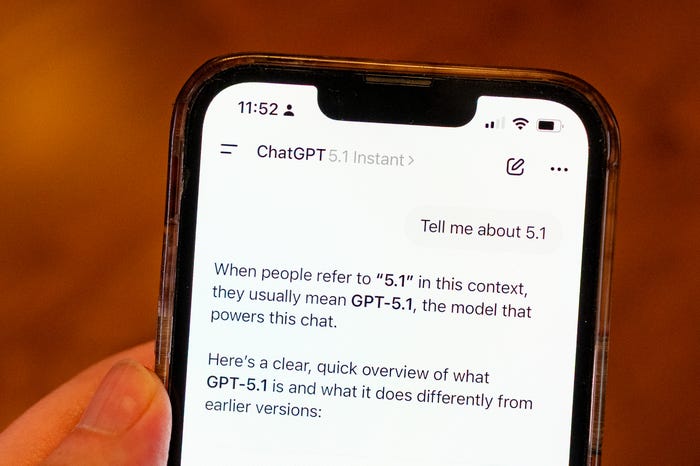
Artificial intelligence (AI) continues to elicit a mix of fascination and frustration among users and businesses alike. As organizations explore the capabilities of AI systems, the divide between their extraordinary potential and their frequent shortcomings becomes increasingly apparent. This paradox, termed the “jagged frontier,” highlights the complexities of integrating AI into everyday tasks.
Understanding the Jagged Frontier of AI
According to a 2023 research paper, the concept of the “jagged frontier” captures the essence of AI’s performance challenges. While systems like ChatGPT can excel in complex tasks, they often struggle with simpler, mundane activities. Anastasios Angelopoulos, CEO and cofounder of LMArena, illustrated this dichotomy by comparing AI’s capabilities to a “Ferrari in math but a donkey at putting things in your calendar.”
This ongoing struggle with AI functionality raises significant questions for businesses. Recent findings from the Massachusetts Institute of Technology (MIT) revealed that an overwhelming 95% of companies are experiencing “zero return” on their AI investments. Such statistics contribute to the growing discourse on whether the current AI boom resembles a bubble that may soon burst, particularly given the staggering $2 trillion invested in the technology.
Exploring Practical Applications of AI
Despite these challenges, the reality is that AI is not going away. Many users are increasingly incorporating AI tools into their daily routines, often experiencing both the benefits and frustrations of this technology. The critical question shifts from whether AI will succeed to what tasks it can reliably perform today. Identifying these tasks is essential for ensuring that both businesses and individuals can harness AI’s transformative potential effectively.
As AI tools evolve, determining which capabilities can be trusted for consistent performance is paramount. While some tasks, such as data analysis and predictive modeling, show promise, many everyday functions remain problematic. Users often report moments of exasperation when AI systems fail to complete basic tasks, leading to hesitancy in relying on them for important functions.
Ultimately, understanding AI’s strengths and weaknesses will guide businesses in navigating this new landscape. By recognizing the areas where AI excels and those that require further development, organizations can better strategize their investments and expectations in this rapidly changing environment. As the technology continues to mature, its integration into various sectors will inevitably evolve, but the journey remains fraught with both excitement and uncertainty.
For ongoing updates and insights into AI’s impact on business and daily life, readers can explore further resources, including articles from Business Insider and other credible publications.











Revolutionary Photonic Ski-Jump Could Miniaturize LiDAR Systems

Couples Detox from Plastics in New Netflix Doc: Can It Boost Fertility?

Aventon Launches Affordable Full-Suspension Electric Mountain Bike

Discover Eight Must-Try Restaurants This Spring Season

UC Irvine Team Unveils Innovative Ion Pump for Water Treatment

One-Third of Americans Trim Daily Expenses for Healthcare Needs

Apple Secures First Oscar in Three Years with F1: The Movie

Fourth Graders Celebrate St. Patrick’s Day with Creative Weather Drawings

Kim Kardashian Dazzles at Vanity Fair Oscars Party 2026

Nostradamus’ 2026 Predictions: Star Death and Dark Events Loom

Breakthroughs and Challenges Await Science in 2026

Electric Moto Influencer Surronster Arrested in Tijuana

OpenAI to Implement Age Verification for ChatGPT by December 2025

Discover the Top 10 Calorie Counting Apps of 2025

Bella Hadid Shares Health Update After Treatment for Lyme Disease

Analysts Project Stronger Growth for Apple’s iPhone 17 Lineup

Japanese Study Finds Rose Oil Can Increase Brain Gray Matter

Top 10 Penny Stocks to Watch in 2026 for Strong Returns
-
 Science3 months ago
Nostradamus’ 2026 Predictions: Star Death and Dark Events Loom
-
 Science4 months ago
Breakthroughs and Challenges Await Science in 2026
-
 Technology7 months ago
Electric Moto Influencer Surronster Arrested in Tijuana
-
 Technology4 months ago
OpenAI to Implement Age Verification for ChatGPT by December 2025
-
 Technology9 months ago
Discover the Top 10 Calorie Counting Apps of 2025
-
 Health7 months ago
Bella Hadid Shares Health Update After Treatment for Lyme Disease
-
 Health7 months ago
Analysts Project Stronger Growth for Apple’s iPhone 17 Lineup
-
 Health7 months ago
Japanese Study Finds Rose Oil Can Increase Brain Gray Matter
-
 Technology4 months ago
Top 10 Penny Stocks to Watch in 2026 for Strong Returns
-

 Science6 months ago
Starship V3 Set for 2026 Launch After Successful Final Test of Version 2
-

 Technology1 month ago
Nvidia GTC 2026: Major Announcements Expected for AI and Hardware
-

 Education7 months ago
Harvard Secures Court Victory Over Federal Funding Cuts