
Science
Yamato-1: The Groundbreaking Ship That Pioneered MHD Technology

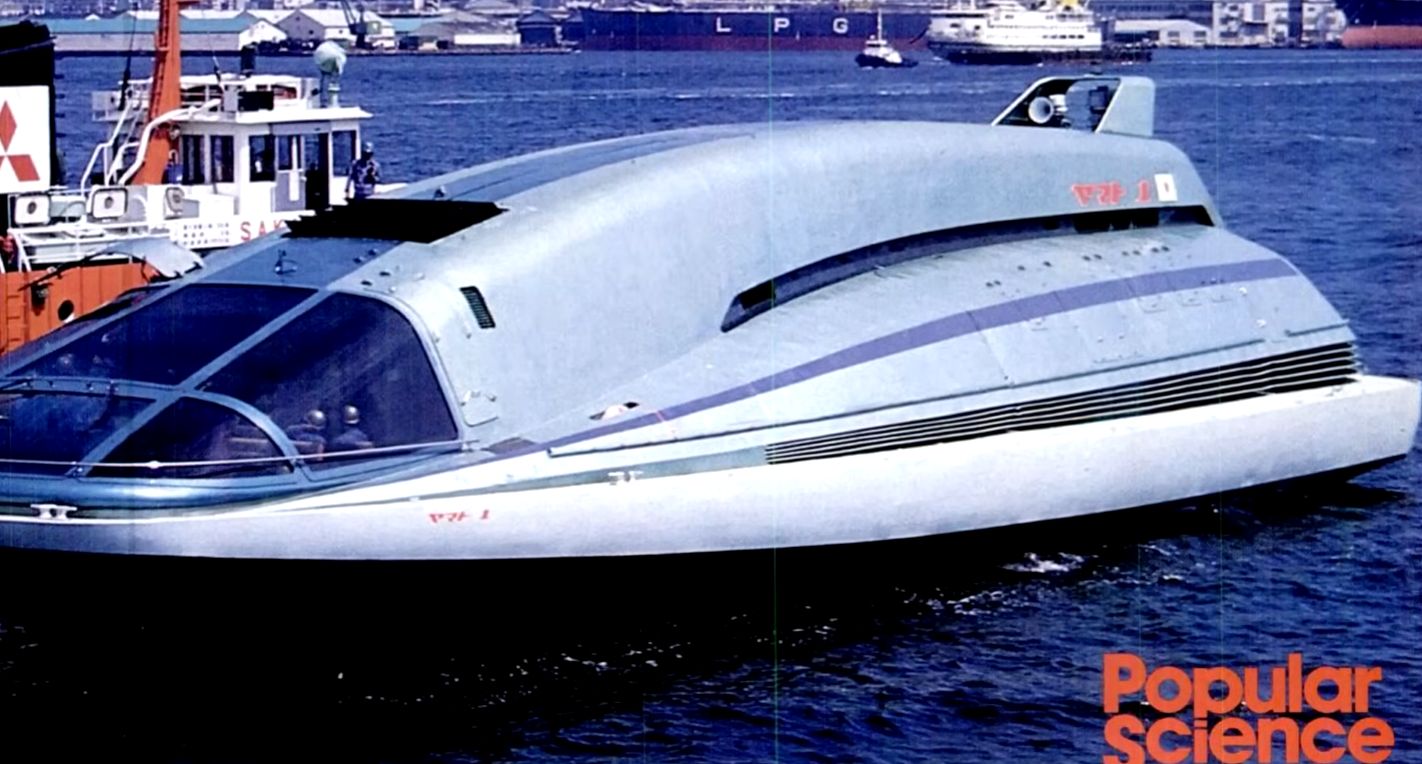
The Yamato-1, a unique vessel in maritime history, became the first ship to utilize magnetohydrodynamic propulsion when it was launched in 1992. This innovative technology relies on the Lorentz force to move watercraft through the water without traditional moving parts, marking a significant departure from conventional propeller-based propulsion systems. Despite its groundbreaking nature, the Yamato-1’s journey has been a tale of limited usage and eventual decline.
The magnetohydrodynamic drive (MHDD) operates using either conduction or induction. The Yamato-1 employed an induction-based system, which utilized liquid helium-cooled, superconducting coils to create a magnetic field. Seawater, acting as the working medium, is ionized due to the dissolved salts, and when exposed to the magnetic field, it accelerates, resulting in thrust. This technology, while straightforward in principle, faced significant challenges, particularly regarding efficiency.
While the Yamato-1 was an impressive prototype, it only achieved a working efficiency of approximately 15% and a maximum speed of about 15 km/h (or 8 knots). These limitations hindered its practical applications, relegating it to a niche status in the maritime world. After spending years at the Kobe Maritime Museum, the vessel was ultimately scrapped in 2016.
Despite the challenges faced by the Yamato-1, research into magnetohydrodynamic propulsion continues. The fundamental issue remains that seawater is not an ideal fluid for this technology without the introduction of additional ions. Consequently, ships utilizing MHDD, much like the Yamato-1, are expected to remain anomalies in the industry, akin to the Lun-class ekranoplan, a ground effect vehicle that also captured the imagination of many.
The concept of building a magnetohydrodynamic drive is surprisingly accessible. Many enthusiasts have explored DIY projects, demonstrating that this fascinating technology can be replicated even in a home setting. For those interested in experimenting with MHD systems, resources and tips are available, including insights from experts like Stephen Walters.
As the maritime industry continues to innovate, the Yamato-1 serves as a reminder of both the potential and limitations of emerging technologies. While magnetohydrodynamic propulsion may not have revolutionized naval engineering as originally envisioned, its legacy endures as a symbol of human ingenuity and the pursuit of alternative methods in the quest for efficient maritime transport.

Revolutionary Photonic Ski-Jump Could Miniaturize LiDAR Systems

Couples Detox from Plastics in New Netflix Doc: Can It Boost Fertility?

Aventon Launches Affordable Full-Suspension Electric Mountain Bike

Discover Eight Must-Try Restaurants This Spring Season

UC Irvine Team Unveils Innovative Ion Pump for Water Treatment

One-Third of Americans Trim Daily Expenses for Healthcare Needs

Apple Secures First Oscar in Three Years with F1: The Movie

Fourth Graders Celebrate St. Patrick’s Day with Creative Weather Drawings

Kim Kardashian Dazzles at Vanity Fair Oscars Party 2026

Nostradamus’ 2026 Predictions: Star Death and Dark Events Loom

Breakthroughs and Challenges Await Science in 2026

Electric Moto Influencer Surronster Arrested in Tijuana

OpenAI to Implement Age Verification for ChatGPT by December 2025

Discover the Top 10 Calorie Counting Apps of 2025

Recovering a Suspended TikTok Account: A Step-by-Step Guide

Bella Hadid Shares Health Update After Treatment for Lyme Disease

Backpack Drives Equip Students with Supplies for New School Year

Analysts Project Stronger Growth for Apple’s iPhone 17 Lineup
-
 Science8 months ago
Nostradamus’ 2026 Predictions: Star Death and Dark Events Loom
-
 Science8 months ago
Breakthroughs and Challenges Await Science in 2026
-
 Technology11 months ago
Electric Moto Influencer Surronster Arrested in Tijuana
-
 Technology9 months ago
OpenAI to Implement Age Verification for ChatGPT by December 2025
-
 Technology1 year ago
Discover the Top 10 Calorie Counting Apps of 2025
-
 Technology1 year ago
Recovering a Suspended TikTok Account: A Step-by-Step Guide
-
 Health11 months ago
Bella Hadid Shares Health Update After Treatment for Lyme Disease
-
 Education1 year ago
Backpack Drives Equip Students with Supplies for New School Year
-
 Health12 months ago
Analysts Project Stronger Growth for Apple’s iPhone 17 Lineup
-

 Health12 months ago
Japanese Study Finds Rose Oil Can Increase Brain Gray Matter
-

 Technology8 months ago
Top 10 Penny Stocks to Watch in 2026 for Strong Returns
-

 Science10 months ago
Starship V3 Set for 2026 Launch After Successful Final Test of Version 2