
Science
Wikipedia Protects “Brain Rot” Page from Vandalism Until 2026

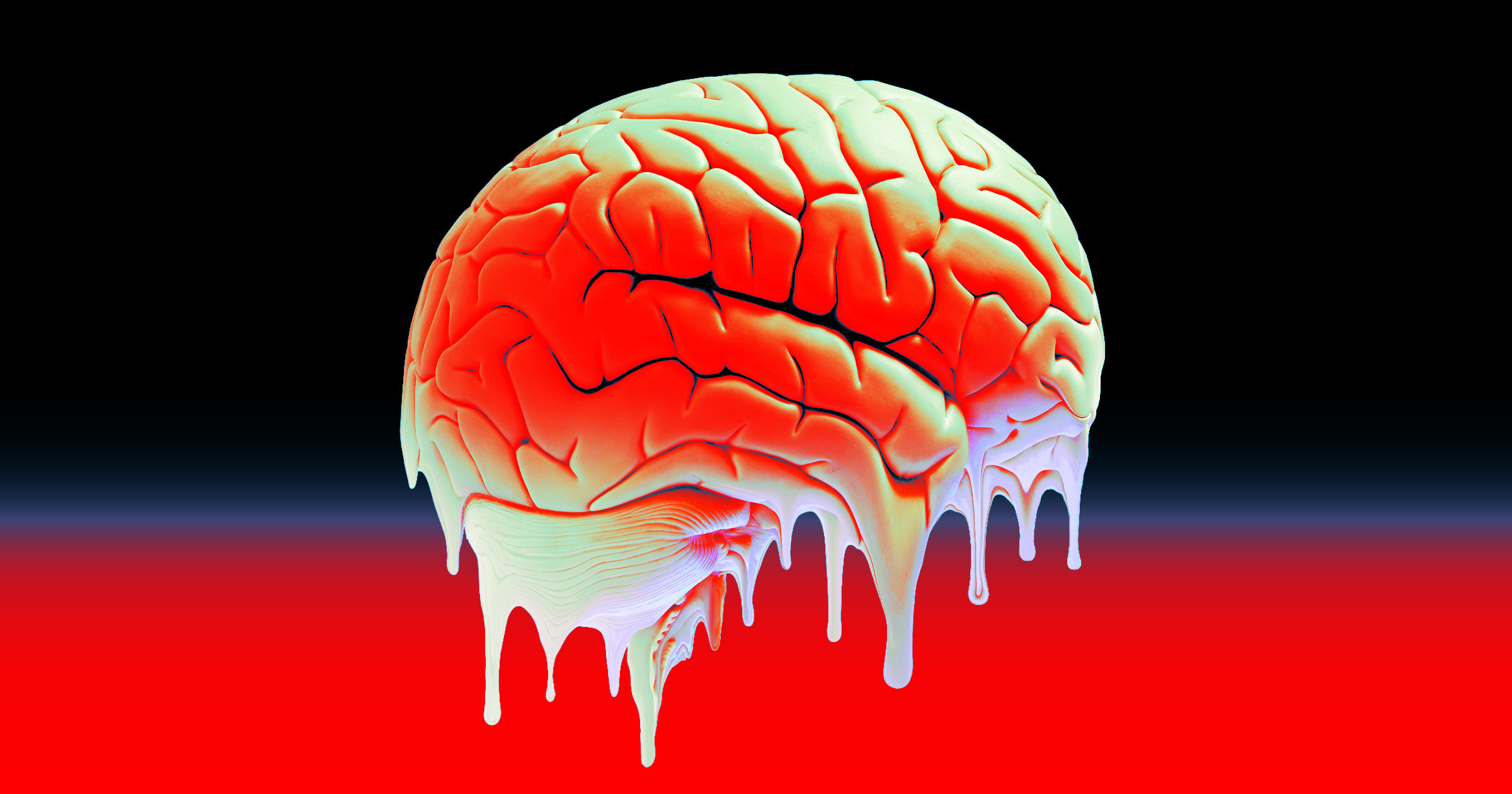
The Wikipedia page on “brain rot” has been placed under protection until January 2026 due to extensive vandalism. This decision comes after repeated instances of disruptive edits, illustrating the ongoing challenges faced by the open-source platform. The term “brain rot” is defined by Wikipedia as the “negative cognitive, emotional, and/or behavioral consequences” stemming from the consumption of trivial or low-quality content.
The page has endured a series of bizarre edits, with one notable alteration in February 2025 that replaced its content with references to the internet phenomenon Skibidi Toilet and former U.S. President Donald Trump. The vandal altered the text to include the phrase “Goofy ahh brainrot” repeated a staggering 96 times. Other edits featured slogans such as “ALL HAIL THE SKÎBÎDÎ TOÎLÊT” and the claim that “BRAIN ROT WILL DESTROY THIS NEXT GENERATION,” showcasing a blend of humor and absurdity.
Protection Measures Implemented
In response to the incessant vandalism, Wikipedia editors classified the page as “semi-protected” in August 2025. This status restricts editing capabilities to registered users with confirmed accounts, a strategy aimed at curbing further alterations from unverified contributors. The semi-protection is currently expected to last until January 2025.
Since its inception in 2001, Wikipedia has been vulnerable to interference from users who exploit its open-edit model. While some vandalism is clever or amusing, much of it has been straightforwardly offensive. Fortunately, the platform is backed by a robust community of volunteers who promptly address such disruptions. For instance, in 2021, Wikipedia editors corrected over 53,000 pages defaced with swastikas within minutes.
The resilience of Wikipedia’s community plays a crucial role in maintaining the integrity of its content. Users remain optimistic that the page on brain rot will eventually return to a more stable state, reflecting the commitment to factual and reliable information.
As digital platforms continue to evolve, the challenges of managing user-generated content remain significant. The case of the brain rot page serves as a striking example of the delicate balance between openness and the need for oversight in online spaces.













Revolutionary Photonic Ski-Jump Could Miniaturize LiDAR Systems

Couples Detox from Plastics in New Netflix Doc: Can It Boost Fertility?

Aventon Launches Affordable Full-Suspension Electric Mountain Bike

Discover Eight Must-Try Restaurants This Spring Season

UC Irvine Team Unveils Innovative Ion Pump for Water Treatment

One-Third of Americans Trim Daily Expenses for Healthcare Needs

Apple Secures First Oscar in Three Years with F1: The Movie

Fourth Graders Celebrate St. Patrick’s Day with Creative Weather Drawings

Kim Kardashian Dazzles at Vanity Fair Oscars Party 2026

Nostradamus’ 2026 Predictions: Star Death and Dark Events Loom

Breakthroughs and Challenges Await Science in 2026

Electric Moto Influencer Surronster Arrested in Tijuana

OpenAI to Implement Age Verification for ChatGPT by December 2025

Discover the Top 10 Calorie Counting Apps of 2025

Recovering a Suspended TikTok Account: A Step-by-Step Guide

Bella Hadid Shares Health Update After Treatment for Lyme Disease

Backpack Drives Equip Students with Supplies for New School Year

Analysts Project Stronger Growth for Apple’s iPhone 17 Lineup
-
 Science7 months ago
Nostradamus’ 2026 Predictions: Star Death and Dark Events Loom
-
 Science7 months ago
Breakthroughs and Challenges Await Science in 2026
-
 Technology10 months ago
Electric Moto Influencer Surronster Arrested in Tijuana
-
 Technology8 months ago
OpenAI to Implement Age Verification for ChatGPT by December 2025
-
 Technology1 year ago
Discover the Top 10 Calorie Counting Apps of 2025
-
 Technology1 year ago
Recovering a Suspended TikTok Account: A Step-by-Step Guide
-
 Health10 months ago
Bella Hadid Shares Health Update After Treatment for Lyme Disease
-
 Education1 year ago
Backpack Drives Equip Students with Supplies for New School Year
-
 Health11 months ago
Analysts Project Stronger Growth for Apple’s iPhone 17 Lineup
-

 Technology7 months ago
Top 10 Penny Stocks to Watch in 2026 for Strong Returns
-

 Health11 months ago
Japanese Study Finds Rose Oil Can Increase Brain Gray Matter
-

 Science9 months ago
Starship V3 Set for 2026 Launch After Successful Final Test of Version 2