
Science
UCLA Develops AI Tool to Improve Early Alzheimer’s Diagnosis

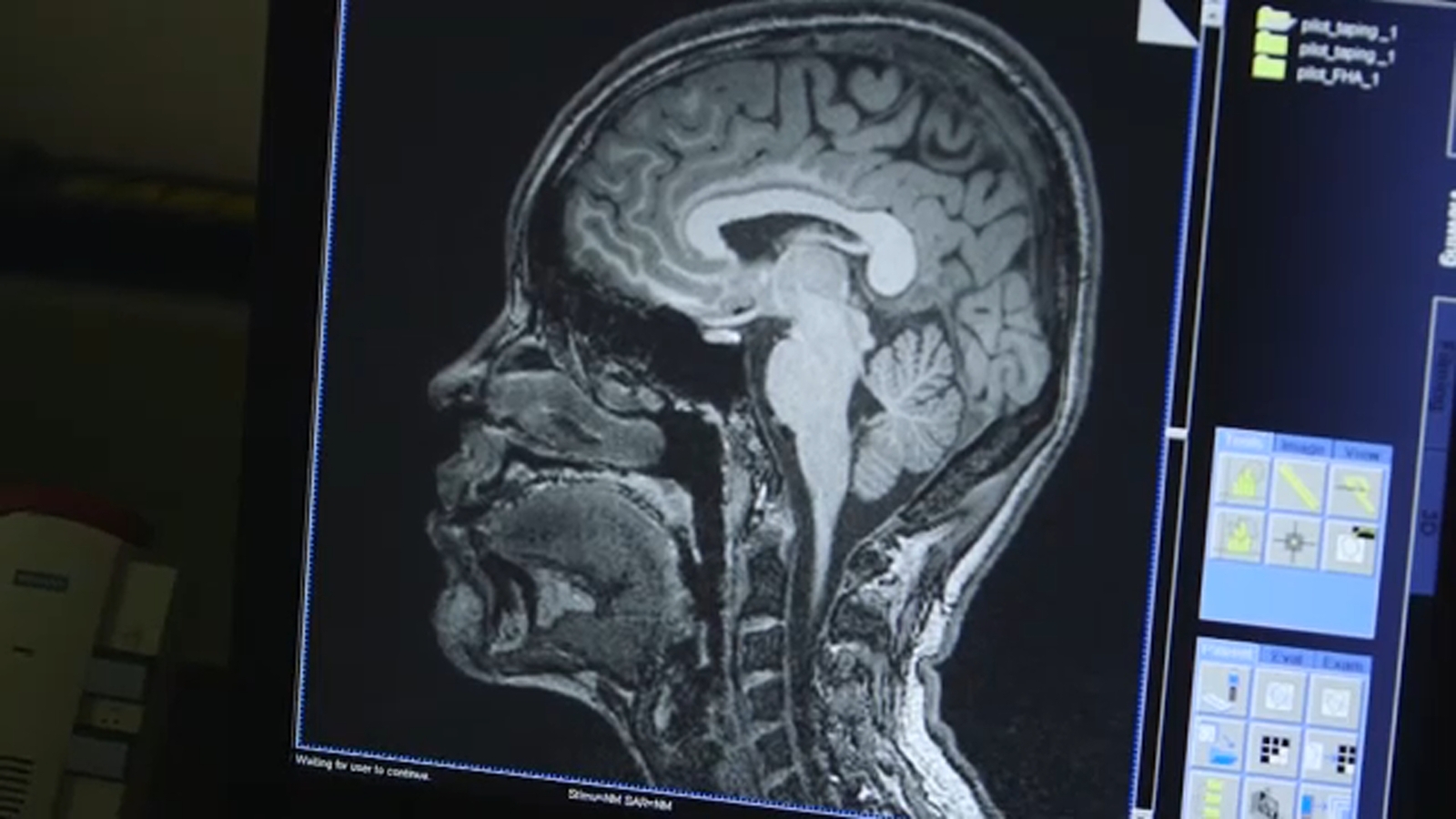
Researchers at the University of California, Los Angeles (UCLA) have developed a new artificial intelligence tool designed to enhance the early diagnosis of Alzheimer’s disease. This innovative approach aims to address the significant number of undiagnosed cases and reduce healthcare disparities, particularly in underrepresented communities. Given that Alzheimer’s is the sixth leading cause of death in the United States, early detection is critical.
Dr. Timothy Chang, a neurologist at UCLA, emphasizes that timely diagnoses can lead to the implementation of new therapies. He notes, “There’s new therapies that can be prescribed if you have early Alzheimer’s disease now, so that’s another main interest of why we want to identify patients as early as possible.” Research indicates that up to 40% of Alzheimer’s cases go undiagnosed, which presents a pressing challenge for medical professionals.
The AI algorithm developed by the UCLA team analyzes patient medical records, focusing on prior diagnoses, age, and neurological indicators. Remarkably, Dr. Chang states, “We were able to capture about 80% of the people who actually would have undiagnosed Alzheimer’s disease.” This level of accuracy is nearly double that of existing models, showcasing the potential of AI in improving healthcare outcomes.
Addressing Disparities in Diagnosis
In addition to its overall diagnostic capabilities, the AI tool has been specifically trained to identify cases in underrepresented groups. Black and Latino individuals are statistically more likely to develop Alzheimer’s but face significant barriers in receiving timely diagnoses. Dr. Chang highlights the importance of equitable health solutions, stating, “It does it fairly across different groups.”
Early diagnosis can empower individuals to make lifestyle changes that may mitigate the progression of the disease. Dr. Chang explains that recognizing early signs allows for modifications in diet and exercise that can positively impact long-term health.
Ana Kelly, whose mother, Anita Chavira, passed away due to Alzheimer’s in January 2016, reflects on her family’s experience. “I had come to realize that she did have dementia years before she was actually diagnosed,” Kelly shares. Her mother’s journey, which was documented in a student film at the University of Southern California, has inspired her to advocate for proactive health management.
Kelly is concerned about the growing shortage of caregivers as the number of individuals diagnosed with dementia continues to rise. She believes that taking an active role in one’s health is paramount. “Your eating habits, your exercise, your mental health, all those things at a younger age,” she emphasizes. “If I can’t prevent it, I can at least slow it by a decade or two. That would be important to me.”
The work being done at UCLA represents a significant step forward in the fight against Alzheimer’s disease, with the potential to change the landscape of early diagnosis and treatment. By harnessing the power of AI, researchers are not only improving accuracy in detection but also striving to create a more equitable healthcare system for all.











Protests Cancel Comedy Show Amid Ongoing Tensions in NYC

Study Reveals Baby Dinosaurs Were Key Prey for Late Jurassic Predators

Dialysis Staff Show Knowledge Gaps in Transplant Processes

Cadel Evans Great Ocean Road Race: Who Will Claim Victory?

Engage with the Etgar Quiz: Test Your Knowledge on the Torah

Workhorse Group and Proliance International: A Comparative Analysis

Michael Burry Labels Elon Musk a “Desperately Incentivized Futurist”

Decluttering Your Space: Improve Health and Well-Being Today

Community Leader Louise K. Breitung Passes Away at 87

Nostradamus’ 2026 Predictions: Star Death and Dark Events Loom

OpenAI to Implement Age Verification for ChatGPT by December 2025

Discover the Top 10 Calorie Counting Apps of 2025

Bella Hadid Shares Health Update After Treatment for Lyme Disease

Analysts Project Stronger Growth for Apple’s iPhone 17 Lineup

Electric Moto Influencer Surronster Arrested in Tijuana

Harvard Secures Court Victory Over Federal Funding Cuts

Erin Bates Shares Recovery Update Following Sepsis Complications

Discover How to Reverse Image Search Using ChatGPT Effortlessly
-
 Science1 month ago
Nostradamus’ 2026 Predictions: Star Death and Dark Events Loom
-
 Technology2 months ago
OpenAI to Implement Age Verification for ChatGPT by December 2025
-
 Technology6 months ago
Discover the Top 10 Calorie Counting Apps of 2025
-
 Health4 months ago
Bella Hadid Shares Health Update After Treatment for Lyme Disease
-
 Health5 months ago
Analysts Project Stronger Growth for Apple’s iPhone 17 Lineup
-
 Technology4 months ago
Electric Moto Influencer Surronster Arrested in Tijuana
-
 Education5 months ago
Harvard Secures Court Victory Over Federal Funding Cuts
-
 Health5 months ago
Erin Bates Shares Recovery Update Following Sepsis Complications
-
 Technology6 months ago
Discover How to Reverse Image Search Using ChatGPT Effortlessly
-

 Technology7 months ago
Meta Initiates $60B AI Data Center Expansion, Starting in Ohio
-

 Technology7 months ago
Recovering a Suspended TikTok Account: A Step-by-Step Guide
-

 Science3 months ago
Starship V3 Set for 2026 Launch After Successful Final Test of Version 2