
Science
Trump’s Actions Threaten University Funding Amid Nobel Wins

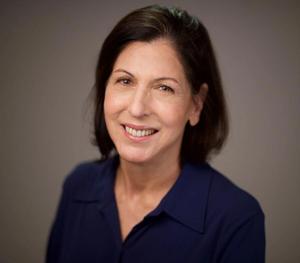
In a surprising turn of events, six scientists based in the United States received Nobel Prizes over a short period, highlighting the pivotal role of public universities in the nation’s scientific achievements. Each laureate is either a current or former member of the academic community, with five associated with California’s renowned higher education system. This remarkable success contrasts sharply with President Donald Trump‘s ongoing criticisms and proposed cuts targeting these educational institutions.
Trump has voiced concerns about universities’ handling of free speech and student behavior, attributing certain incidents, including antisemitism, to a broader failure within these institutions. While the president’s rhetoric emphasizes a desire to “save” taxpayer money, it often manifests as financial threats to universities, including significant funding cuts. He stated, “We will cut funding by $584 million and thereby save taxpayer dollars.” These cuts could severely impact institutions like the University of California, Los Angeles (UCLA), which is at risk of losing federal research grants.
Among the recent Nobel laureates in medicine, Mary Brunkow and Fred Ramsdell share the award with Japan’s Shimon Sakaguchi. Both Brunkow and Ramsdell have strong ties to California’s educational system, with Ramsdell earning his degrees from the University of California, San Diego and Los Angeles. Their achievements underscore the critical role that public universities play in fostering scientific talent.
In the field of physics, three scientists, including American John Martinis, who earned all his degrees at Berkeley, were recognized for their groundbreaking work on quantum mechanics. Similarly, Omar Yaghi, awarded the Nobel Prize in Chemistry, is a faculty member at Berkeley and has connections to several prestigious universities.
California’s economic prowess is noteworthy; if it were a separate country, it would rank as the world’s fourth-largest economy. In response to potential federal funding losses, state lawmakers are exploring a $23 billion bond measure for the 2026 ballot aimed at sustaining scientific research funding. Should this initiative pass, California could establish its own grant and loan system, effectively bypassing federal support that currently flows from the National Institutes of Health (NIH).
The NIH, the largest funder of medical research globally, has seen at least 24 University of California and California State University campuses lose training grants under the current administration. With Trump appointing Bobby Kennedy Jr., a controversial figure known for his anti-vaccine stance, to lead the NIH, concerns about the future of scientific research funding have escalated.
As California contemplates taking control of its funding, states like Washington and Oregon are joining forces to address similar concerns regarding scientific research and public health. They are forming coalitions to evaluate vaccine data and provide recommendations, reflecting a growing trend among states to take proactive measures in scientific governance.
The implications of Trump’s funding cuts and his administration’s approach to higher education resonate far beyond California. The potential repercussions for universities across the nation could hinder research and innovation, as many of the brightest minds in the country face challenges from political decisions that may undermine their work.
In summary, the recent Nobel Prize wins serve as a reminder of the invaluable contributions of American universities to global science. Yet, the current political climate raises questions about the future of academic funding and research in the United States, particularly as states seek to assert greater autonomy over their educational and scientific resources.








Revolutionary Photonic Ski-Jump Could Miniaturize LiDAR Systems

Couples Detox from Plastics in New Netflix Doc: Can It Boost Fertility?

Aventon Launches Affordable Full-Suspension Electric Mountain Bike

Discover Eight Must-Try Restaurants This Spring Season

UC Irvine Team Unveils Innovative Ion Pump for Water Treatment

One-Third of Americans Trim Daily Expenses for Healthcare Needs

Apple Secures First Oscar in Three Years with F1: The Movie

Fourth Graders Celebrate St. Patrick’s Day with Creative Weather Drawings

Kim Kardashian Dazzles at Vanity Fair Oscars Party 2026

Nostradamus’ 2026 Predictions: Star Death and Dark Events Loom

Breakthroughs and Challenges Await Science in 2026

Electric Moto Influencer Surronster Arrested in Tijuana

OpenAI to Implement Age Verification for ChatGPT by December 2025

Discover the Top 10 Calorie Counting Apps of 2025

Recovering a Suspended TikTok Account: A Step-by-Step Guide

Bella Hadid Shares Health Update After Treatment for Lyme Disease

Backpack Drives Equip Students with Supplies for New School Year

Analysts Project Stronger Growth for Apple’s iPhone 17 Lineup
-
 Science7 months ago
Nostradamus’ 2026 Predictions: Star Death and Dark Events Loom
-
 Science7 months ago
Breakthroughs and Challenges Await Science in 2026
-
 Technology10 months ago
Electric Moto Influencer Surronster Arrested in Tijuana
-
 Technology8 months ago
OpenAI to Implement Age Verification for ChatGPT by December 2025
-
 Technology1 year ago
Discover the Top 10 Calorie Counting Apps of 2025
-
 Technology1 year ago
Recovering a Suspended TikTok Account: A Step-by-Step Guide
-
 Health10 months ago
Bella Hadid Shares Health Update After Treatment for Lyme Disease
-
 Education1 year ago
Backpack Drives Equip Students with Supplies for New School Year
-
 Health11 months ago
Analysts Project Stronger Growth for Apple’s iPhone 17 Lineup
-

 Technology7 months ago
Top 10 Penny Stocks to Watch in 2026 for Strong Returns
-

 Health11 months ago
Japanese Study Finds Rose Oil Can Increase Brain Gray Matter
-

 Science9 months ago
Starship V3 Set for 2026 Launch After Successful Final Test of Version 2