
Science
Top 8 Safest Airlines in the U.S. Revealed for 2023

As air travel continues to thrive, safety remains a top priority for passengers. A recent evaluation has highlighted the eight safest airlines operating in the United States, based on rigorous safety records, accident histories, and adherence to established safety standards. This analysis aims to provide travelers with a clearer understanding of which airlines prioritize safety in their operations.
Key Players in Airline Safety
According to the National Safety Council, there were too few fatalities in 2023 to calculate lifetime odds for a passenger on an airplane, emphasizing air travel’s status as one of the safest modes of transportation. The following airlines have distinguished themselves for their commitment to safety:
Delta Air Lines consistently ranks at the top of safety assessments. The airline is listed on the IOSA Registry, which evaluates operational management and control systems. Delta holds a strong safety record with no fatal accidents involving passenger operations in decades. The airline invests heavily in pilot training, simulator time, and modernizing its fleet, ensuring that aircraft are equipped with the latest avionics and safety technology.
Another noteworthy carrier is Alaska Airlines, known for its operational reliability and customer satisfaction. Despite a widely reported door plug incident in early 2024, investigations revealed no fatalities. Alaska Airlines prioritizes rigorous pilot training and meticulous maintenance schedules, demonstrating a commitment to transparency and safety improvements.
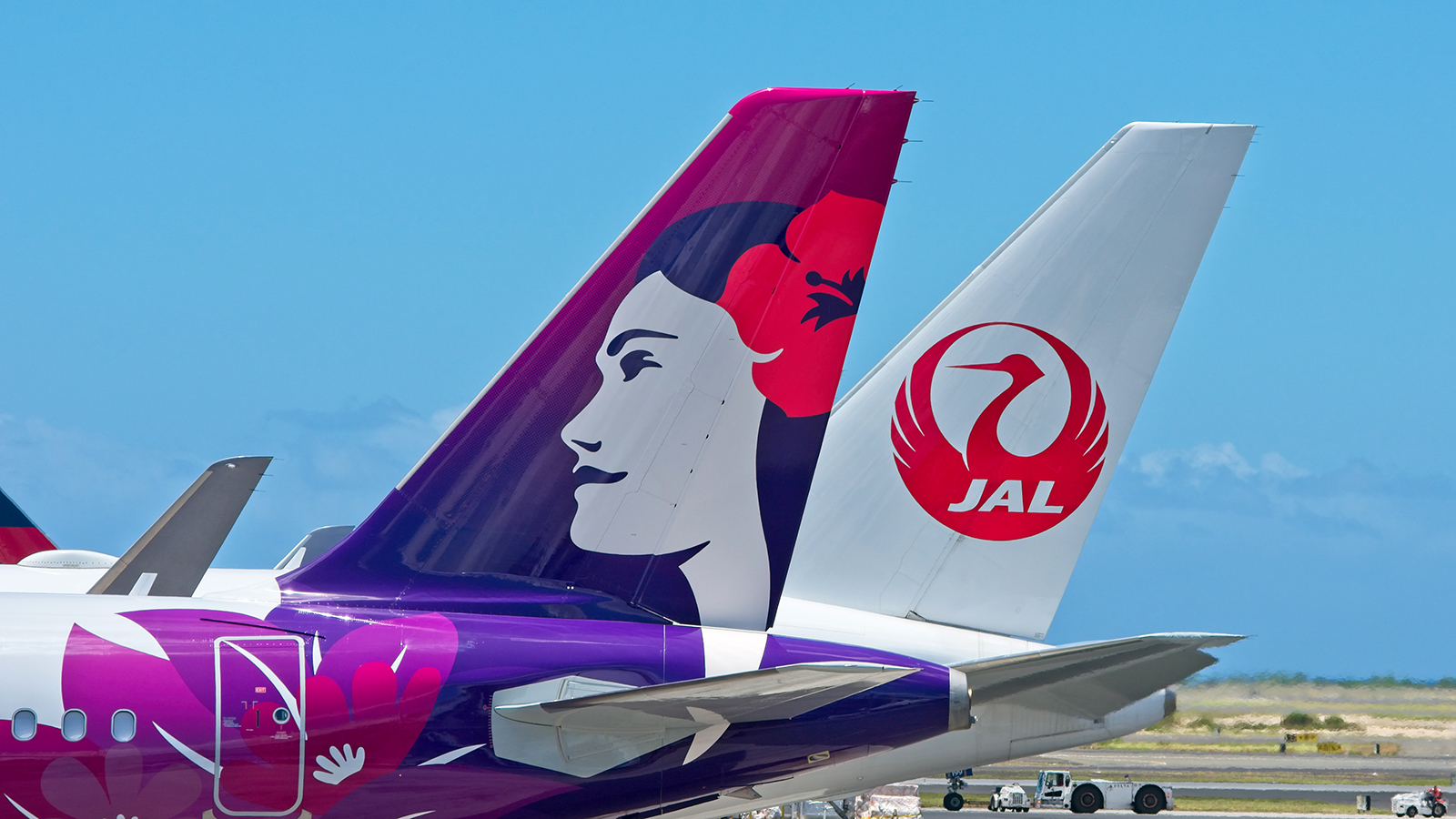
Hawaiian Airlines operates long-haul routes over the Pacific Ocean, requiring stringent safety protocols. The airline has maintained an impressive safety record with no recent fatal accidents. Its fleet includes modern Airbus aircraft designed for extended overwater operations, showcasing the importance of safety planning and fuel management in its operations.
Operational Challenges and Safety Innovations
United Airlines, one of the largest U.S. carriers, faces various operational challenges due to its extensive global network. Although the airline has experienced incidents throughout its history, recent improvements in data analysis and training have enhanced its safety record. United collaborates with regulatory bodies, including the Federal Aviation Administration (FAA) and the National Transportation Safety Board (NTSB), to investigate incidents and implement corrective actions.
Meanwhile, American Airlines has improved its safety record over the past two decades, despite the inherent risks associated with operating a large fleet. The airline employs flight data monitoring programs that analyze thousands of parameters during flights, allowing it to identify potential issues before they escalate.
Southwest Airlines has garnered attention for its low-cost fares and operational efficiency. The airline’s point-to-point network differs from traditional hub-and-spoke models, impacting how disruptions affect travel plans. Southwest has faced scrutiny regarding its operational reliability during severe weather events, but it maintains a focus on safety and continues to invest in system upgrades.
Another airline to consider is JetBlue, which emphasizes customer satisfaction alongside safety. Operating a relatively young fleet, JetBlue’s safety record shows no recent fatal accidents. The airline adheres to FAA regulations and conducts regular inspections to ensure compliance.
In contrast, Allegiant Air, a low-cost leisure carrier, has faced scrutiny from the FAA for its maintenance practices. Despite this, the airline has made significant improvements following federal oversight and continues to operate while maintaining strict safety compliance.
Finally, Spirit Airlines and Frontier Airlines compete aggressively on price while adhering to the same FAA safety regulations as larger carriers. Both airlines have experienced incidents but do not exhibit a pattern of recent fatal accidents, demonstrating that low-cost models can still prioritize safety.
Airlines worldwide are often compared to leaders such as Air New Zealand, Qatar Airways, and Qantas, all of which consistently receive high marks for their safety management systems. U.S. airlines operate under stringent FAA oversight, with many listed on the IOSA Registry, signifying their commitment to safety.
In conclusion, travelers should evaluate factors such as safety records, fleet age, and pilot training when selecting airlines. Understanding these elements can enhance informed decision-making for a safe and enjoyable flying experience.












Revolutionary Photonic Ski-Jump Could Miniaturize LiDAR Systems

Couples Detox from Plastics in New Netflix Doc: Can It Boost Fertility?

Aventon Launches Affordable Full-Suspension Electric Mountain Bike

Discover Eight Must-Try Restaurants This Spring Season

UC Irvine Team Unveils Innovative Ion Pump for Water Treatment

One-Third of Americans Trim Daily Expenses for Healthcare Needs

Apple Secures First Oscar in Three Years with F1: The Movie

Fourth Graders Celebrate St. Patrick’s Day with Creative Weather Drawings

Kim Kardashian Dazzles at Vanity Fair Oscars Party 2026

Nostradamus’ 2026 Predictions: Star Death and Dark Events Loom

Breakthroughs and Challenges Await Science in 2026

Electric Moto Influencer Surronster Arrested in Tijuana

OpenAI to Implement Age Verification for ChatGPT by December 2025

Discover the Top 10 Calorie Counting Apps of 2025

Recovering a Suspended TikTok Account: A Step-by-Step Guide

Bella Hadid Shares Health Update After Treatment for Lyme Disease

Backpack Drives Equip Students with Supplies for New School Year

Analysts Project Stronger Growth for Apple’s iPhone 17 Lineup
-
 Science8 months ago
Nostradamus’ 2026 Predictions: Star Death and Dark Events Loom
-
 Science8 months ago
Breakthroughs and Challenges Await Science in 2026
-
 Technology11 months ago
Electric Moto Influencer Surronster Arrested in Tijuana
-
 Technology9 months ago
OpenAI to Implement Age Verification for ChatGPT by December 2025
-
 Technology1 year ago
Discover the Top 10 Calorie Counting Apps of 2025
-
 Technology1 year ago
Recovering a Suspended TikTok Account: A Step-by-Step Guide
-
 Health11 months ago
Bella Hadid Shares Health Update After Treatment for Lyme Disease
-
 Education1 year ago
Backpack Drives Equip Students with Supplies for New School Year
-
 Health11 months ago
Analysts Project Stronger Growth for Apple’s iPhone 17 Lineup
-

 Health12 months ago
Japanese Study Finds Rose Oil Can Increase Brain Gray Matter
-

 Technology8 months ago
Top 10 Penny Stocks to Watch in 2026 for Strong Returns
-

 Science10 months ago
Starship V3 Set for 2026 Launch After Successful Final Test of Version 2