
Science
Study Finds Biostimulant Seed Treatments Fail to Boost Soybean Yields

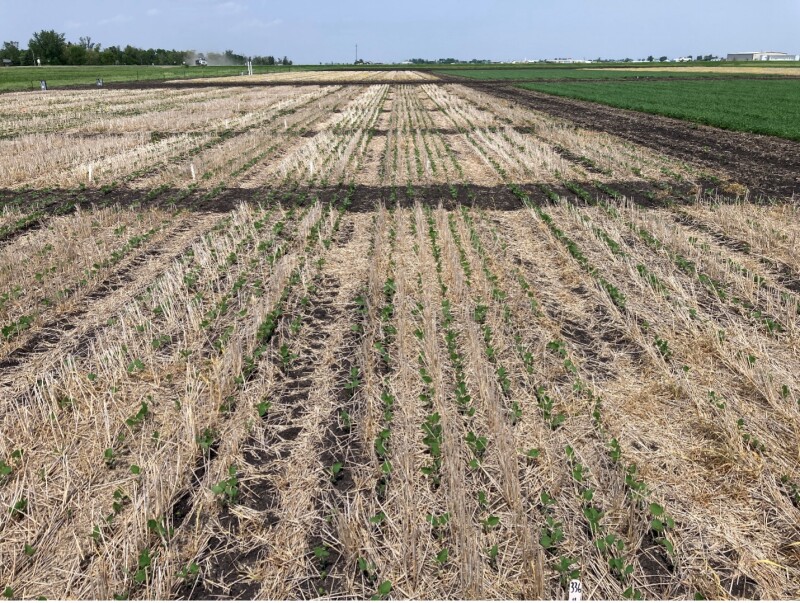
A comprehensive study involving 28 co-authors across 22 states has concluded that biostimulant seed treatments provide little to no increase in soybean yields. Conducted over two years and encompassing 103 site locations, the research challenges the effectiveness of these products, which are often marketed for their potential to enhance early plant vigor, stress tolerance, and overall yield.
Biostimulants, as defined in the 2018 Farm Bill, are substances or microorganisms applied to seeds or plants to stimulate natural processes that improve nutrient uptake and crop quality. Despite their appeal, the findings of this extensive study indicate that the current formulations tested do not deliver on their promises.
Key Findings from the Multi-State Study
The study, led by Science for Success, a consortium of agronomists from various land-grant universities, was predicated on the hypothesis that biostimulants would positively impact soybean performance. Despite extensive testing, which included states like North Dakota, South Dakota, Minnesota, Wisconsin, and Iowa, the results were disappointing.
Seth Naeve, a soybean agronomist at the University of Minnesota and one of the study’s co-authors, remarked that the outcomes were consistently underwhelming. “The biggest surprise of anything is that nothing worked anywhere,” he said. The study, published in the journal Field Crops Research in December 2025, emphasizes that while biostimulants might hold potential, the specific products tested did not yield beneficial results.
The research involved testing 8 to 10 commercial biostimulant products per state, each with a variety of active ingredients. The authors concluded that farmers should approach these products with caution, particularly given the lack of consistent evidence supporting their efficacy in enhancing soybean yields.
Challenges and Considerations for Farmers
While biostimulants are marketed to provide a natural alternative to chemical fertilizers, the study highlights the complexities involved in their effectiveness. According to Carl Rosen, an Extension soils scientist at the University of Minnesota, the sheer number of biostimulants available—estimated to be in the hundreds of thousands—makes it difficult to evaluate all options.
“Each gram of soil contains billions of bacteria,” he explained. “The question is whether adding more will provide any benefit or simply create competition.”
Though the study does not dismiss the potential for biostimulants to work under specific conditions, it suggests that farmers should conduct small-scale trials before making larger investments. “If we can put these out in 103 locations and we get virtually nothing, it really demonstrates the challenges we have with these types of products,” Naeve concluded.
The current regulatory landscape for biostimulants is also a point of concern, as the Environmental Protection Agency does not currently oversee their regulation. The study advocates for more rigorous evaluations and standard requirements for the registration and commercialization of biostimulants in the United States.
The research was co-funded by the United States Department of Agriculture NIFA AFRI and the United Soybean Board, with additional support from state soybean boards in the participating regions.
As farmers consider the adoption of biostimulants, the findings underscore the importance of rigorous scientific testing to substantiate marketing claims. The study ultimately calls for a cautious approach, recommending that farmers experiment with biostimulants in controlled environments before widespread implementation.




Revolutionary Photonic Ski-Jump Could Miniaturize LiDAR Systems

Couples Detox from Plastics in New Netflix Doc: Can It Boost Fertility?

Aventon Launches Affordable Full-Suspension Electric Mountain Bike

Discover Eight Must-Try Restaurants This Spring Season

UC Irvine Team Unveils Innovative Ion Pump for Water Treatment

One-Third of Americans Trim Daily Expenses for Healthcare Needs

Apple Secures First Oscar in Three Years with F1: The Movie

Fourth Graders Celebrate St. Patrick’s Day with Creative Weather Drawings

Kim Kardashian Dazzles at Vanity Fair Oscars Party 2026

Nostradamus’ 2026 Predictions: Star Death and Dark Events Loom

Breakthroughs and Challenges Await Science in 2026

Electric Moto Influencer Surronster Arrested in Tijuana

OpenAI to Implement Age Verification for ChatGPT by December 2025

Discover the Top 10 Calorie Counting Apps of 2025

Bella Hadid Shares Health Update After Treatment for Lyme Disease

Analysts Project Stronger Growth for Apple’s iPhone 17 Lineup

Japanese Study Finds Rose Oil Can Increase Brain Gray Matter

Top 10 Penny Stocks to Watch in 2026 for Strong Returns
-
 Science3 months ago
Nostradamus’ 2026 Predictions: Star Death and Dark Events Loom
-
 Science4 months ago
Breakthroughs and Challenges Await Science in 2026
-
 Technology7 months ago
Electric Moto Influencer Surronster Arrested in Tijuana
-
 Technology4 months ago
OpenAI to Implement Age Verification for ChatGPT by December 2025
-
 Technology9 months ago
Discover the Top 10 Calorie Counting Apps of 2025
-
 Health7 months ago
Bella Hadid Shares Health Update After Treatment for Lyme Disease
-
 Health7 months ago
Analysts Project Stronger Growth for Apple’s iPhone 17 Lineup
-
 Health7 months ago
Japanese Study Finds Rose Oil Can Increase Brain Gray Matter
-
 Technology4 months ago
Top 10 Penny Stocks to Watch in 2026 for Strong Returns
-

 Science6 months ago
Starship V3 Set for 2026 Launch After Successful Final Test of Version 2
-

 Technology1 month ago
Nvidia GTC 2026: Major Announcements Expected for AI and Hardware
-

 Education7 months ago
Harvard Secures Court Victory Over Federal Funding Cuts