
Science
Space Mice Return: A Milestone for Reproductive Research

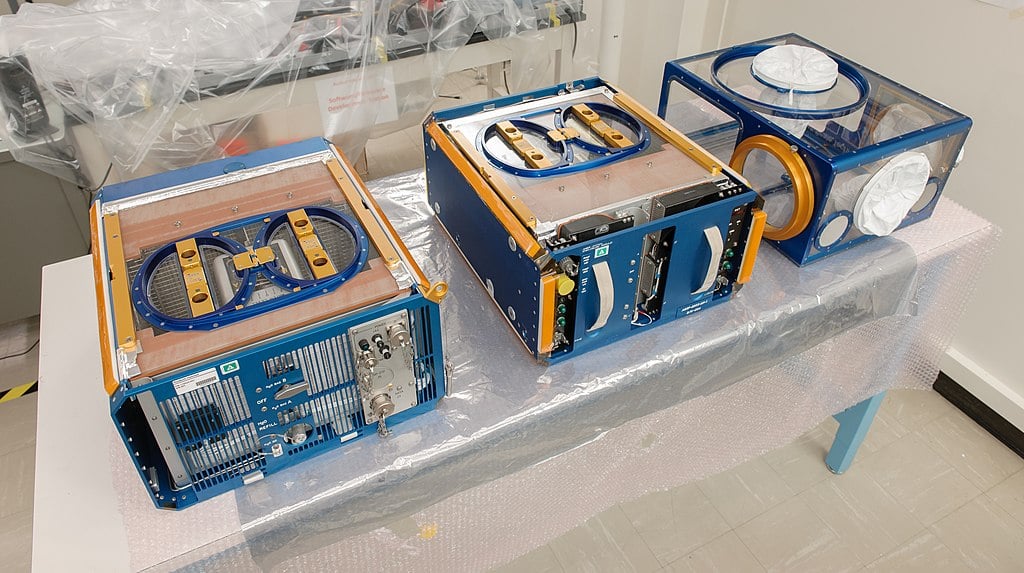
A recent space mission has yielded promising results for future human exploration beyond Earth. On October 31, 2023, China launched four mice aboard the Shenzhou-21 spacecraft, sending them to the country’s space station, located approximately 400 kilometers above the Earth. After spending two weeks exposed to microgravity and space radiation, one of the female mice returned to Earth and gave birth to nine healthy pups on December 10, 2023.
During their time in space, the mice faced various challenges, including an unexpected change to the return schedule of the Shenzhou-20 spacecraft that necessitated a longer stay. This situation raised concerns about potential food shortages. Ground teams worked diligently to test emergency rations from the astronauts’ supplies, which included compressed biscuits, corn, hazelnuts, and soy milk. Following a series of verification tests, soy milk was selected as the safest option for the mice. Water was supplied through an external port, while an artificial intelligence monitoring system tracked their movements, eating habits, and sleep patterns in real time.
Significance of Findings
The birth of the pups has significant implications for understanding mammalian reproduction in space. According to Wang Hongmei, a researcher at the Chinese Academy of Sciences’ Institute of Zoology, the successful reproduction of the mouse indicates that short-term spaceflight does not adversely affect reproductive capabilities. This finding is crucial, as mice share a high genetic similarity with humans and their physiological responses often reflect human biology.
Researchers are particularly interested in whether exposure to space conditions alters reproductive processes across generations. The pups, now being monitored closely, will be observed for growth patterns and any physiological changes that may arise from their mother’s space exposure. Importantly, scientists aim to determine if these offspring can reproduce normally, thereby assessing potential multi-generational impacts.
Future Implications for Space Exploration
The overarching goal of this research extends beyond the world of mice. As humanity looks toward long-term missions to Mars and the establishment of permanent settlements on the Moon, understanding the effects of space on reproduction is paramount. Questions remain about whether mammals can conceive, gestate, and give birth in reduced gravity. Furthermore, researchers are investigating whether cosmic rays might inflict damage on eggs or sperm that may not manifest until subsequent generations.
While the birth of a single mouse pup does not provide all the answers, it marks a promising beginning in the quest to understand reproductive health in space. As scientists continue their investigations, this research could pave the way for future human missions and ultimately contribute to the sustainability of life beyond Earth.









Revolutionary Photonic Ski-Jump Could Miniaturize LiDAR Systems

Couples Detox from Plastics in New Netflix Doc: Can It Boost Fertility?

Aventon Launches Affordable Full-Suspension Electric Mountain Bike

Discover Eight Must-Try Restaurants This Spring Season

UC Irvine Team Unveils Innovative Ion Pump for Water Treatment

One-Third of Americans Trim Daily Expenses for Healthcare Needs

Apple Secures First Oscar in Three Years with F1: The Movie

Fourth Graders Celebrate St. Patrick’s Day with Creative Weather Drawings

Kim Kardashian Dazzles at Vanity Fair Oscars Party 2026

Nostradamus’ 2026 Predictions: Star Death and Dark Events Loom

Breakthroughs and Challenges Await Science in 2026

Electric Moto Influencer Surronster Arrested in Tijuana

OpenAI to Implement Age Verification for ChatGPT by December 2025

Discover the Top 10 Calorie Counting Apps of 2025

Recovering a Suspended TikTok Account: A Step-by-Step Guide

Bella Hadid Shares Health Update After Treatment for Lyme Disease

Backpack Drives Equip Students with Supplies for New School Year

Analysts Project Stronger Growth for Apple’s iPhone 17 Lineup
-
 Science8 months ago
Nostradamus’ 2026 Predictions: Star Death and Dark Events Loom
-
 Science8 months ago
Breakthroughs and Challenges Await Science in 2026
-
 Technology11 months ago
Electric Moto Influencer Surronster Arrested in Tijuana
-
 Technology8 months ago
OpenAI to Implement Age Verification for ChatGPT by December 2025
-
 Technology1 year ago
Discover the Top 10 Calorie Counting Apps of 2025
-
 Technology1 year ago
Recovering a Suspended TikTok Account: A Step-by-Step Guide
-
 Health11 months ago
Bella Hadid Shares Health Update After Treatment for Lyme Disease
-
 Education1 year ago
Backpack Drives Equip Students with Supplies for New School Year
-
 Health11 months ago
Analysts Project Stronger Growth for Apple’s iPhone 17 Lineup
-

 Health11 months ago
Japanese Study Finds Rose Oil Can Increase Brain Gray Matter
-

 Technology8 months ago
Top 10 Penny Stocks to Watch in 2026 for Strong Returns
-

 Science10 months ago
Starship V3 Set for 2026 Launch After Successful Final Test of Version 2