
Science
Six Species of Bats Discovered to Glow in North America

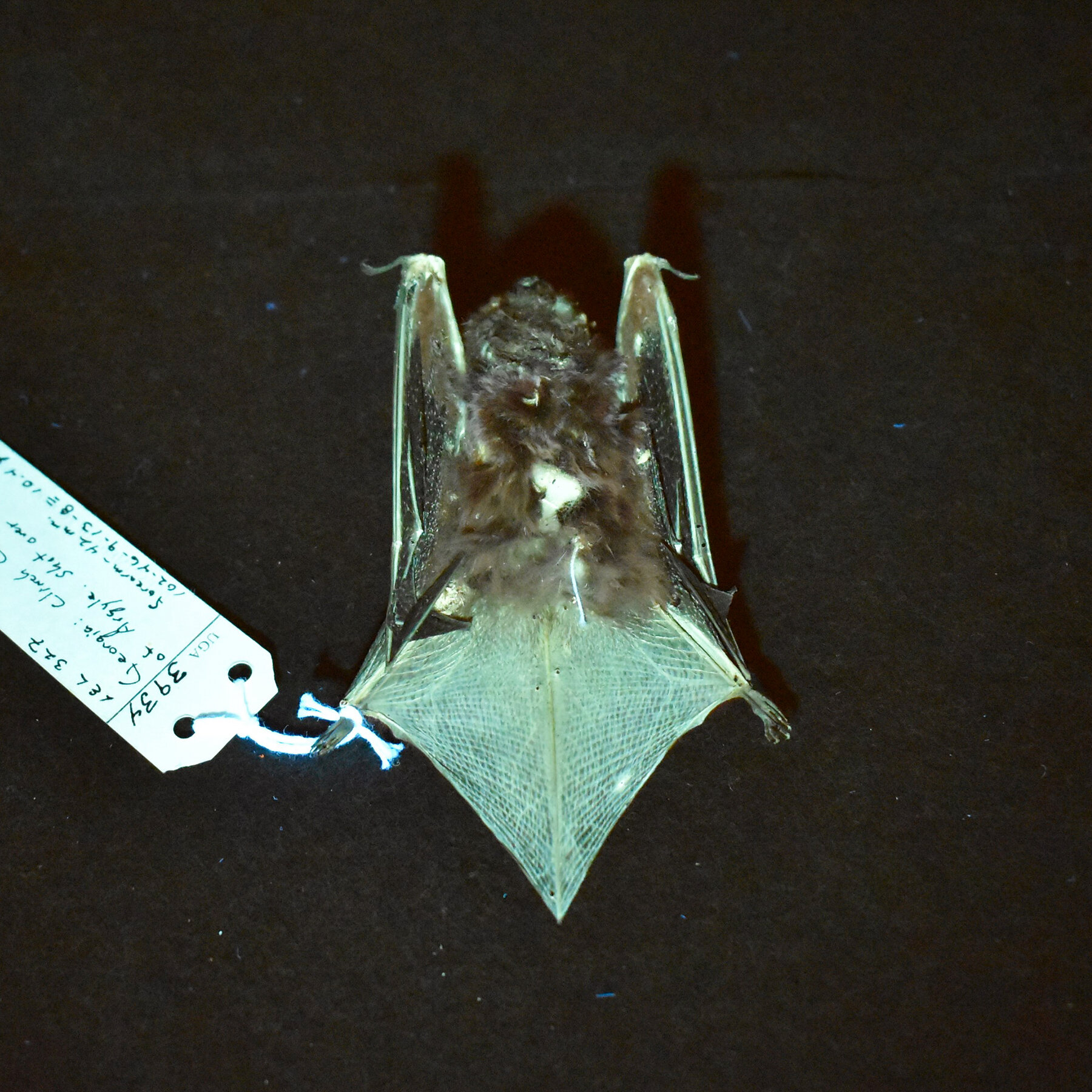
A recent study has revealed that six species of bats in North America emit a distinct glow at nearly identical wavelengths. This intriguing discovery, published in the *Journal of Mammalogy*, highlights a previously undocumented characteristic of these nocturnal creatures and raises questions about the potential reasons behind this unique phenomenon.
Researchers at the University of Southern California, led by Dr. David M. B. Choi, conducted an extensive examination of these bats. The study focused on the fluorescence emitted by their fur, which appears to glow green under ultraviolet light. The wavelengths detected were found to be remarkably consistent among the six species analyzed, suggesting a possible evolutionary advantage.
The six species identified in the study include the little brown bat (*Myotis lucifugus*), the big brown bat (*Eptesicus fuscus*), and several others. Researchers hypothesize that this glowing trait may play a role in communication or mating rituals within these species. The exact function remains uncertain, but the findings open new avenues for further research into bat biology and behavior.
Significance of the Discovery
This study adds to a growing body of knowledge regarding the complexity of bat biology. Bats are already known for their echolocation abilities, and this new trait may provide additional insights into how these animals interact with their environment. Understanding the ecological implications of this fluorescence could have broader consequences for conservation efforts, particularly as bat populations face threats from habitat loss and disease.
The research team utilized advanced imaging techniques to capture the fluorescence in action. This method allowed them to visualize the glowing fur in a way that had not been achieved previously. The team’s innovative approach demonstrates the importance of integrating modern technology into wildlife studies.
Future Research Directions
As scientists continue to explore this phenomenon, the potential applications of this discovery extend beyond mere observation. Understanding the molecular mechanisms behind the fluorescence may lead to breakthroughs in bioengineering or materials science. The study of bioluminescence in various species has historically inspired technological advancements, and bats may be the next source of inspiration.
Further research is essential to unravel the ecological roles that this glowing characteristic plays. Future studies could investigate whether the glow affects predator-prey dynamics or influences social behaviors among bats. The implications of such findings could be significant for conservation strategies aimed at protecting these vital species.
Overall, the discovery of glowing bats in North America not only captivates the imagination but also underscores the importance of continued scientific exploration. As researchers delve deeper into the mysteries of these nocturnal creatures, they may uncover even more astonishing traits that challenge our understanding of wildlife.












Western Nevada College Faculty Members Awarded Tenure by Regents

Elwyn Raymond Van Enwyck, 98, Remembered for Kindness and Service

Blood Test Could Forecast Alzheimer’s Risk Up to 25 Years Ahead

FDA Approves Generic Drug but Downplays Autism Treatment Claims

NCAA Implements Technology to Monitor Referees for Betting Activity

Fort Calhoun Senior Natalie Lammers Earns Full-Ride Arts Scholarship

Elon Musk’s xAI Celebrates Third Anniversary with Major Milestones

Else Nutrition Advances U.S. Market Entry with FDA Guidance on Protein Standards

Health Care Dominates Job Market Amid Economic Shifts

Nostradamus’ 2026 Predictions: Star Death and Dark Events Loom

Breakthroughs and Challenges Await Science in 2026

OpenAI to Implement Age Verification for ChatGPT by December 2025

Electric Moto Influencer Surronster Arrested in Tijuana

Discover the Top 10 Calorie Counting Apps of 2025

Bella Hadid Shares Health Update After Treatment for Lyme Disease

Analysts Project Stronger Growth for Apple’s iPhone 17 Lineup

Top 10 Penny Stocks to Watch in 2026 for Strong Returns

Japanese Study Finds Rose Oil Can Increase Brain Gray Matter
-
 Science2 months ago
Nostradamus’ 2026 Predictions: Star Death and Dark Events Loom
-
 Science3 months ago
Breakthroughs and Challenges Await Science in 2026
-
 Technology3 months ago
OpenAI to Implement Age Verification for ChatGPT by December 2025
-
 Technology6 months ago
Electric Moto Influencer Surronster Arrested in Tijuana
-
 Technology8 months ago
Discover the Top 10 Calorie Counting Apps of 2025
-
 Health6 months ago
Bella Hadid Shares Health Update After Treatment for Lyme Disease
-
 Health6 months ago
Analysts Project Stronger Growth for Apple’s iPhone 17 Lineup
-
 Technology3 months ago
Top 10 Penny Stocks to Watch in 2026 for Strong Returns
-
 Health6 months ago
Japanese Study Finds Rose Oil Can Increase Brain Gray Matter
-

 Science5 months ago
Starship V3 Set for 2026 Launch After Successful Final Test of Version 2
-

 Education6 months ago
Harvard Secures Court Victory Over Federal Funding Cuts
-

 Health6 months ago
Erin Bates Shares Recovery Update Following Sepsis Complications