
Science
Scientist Uses AI in Search for New Antibiotics to Combat Resistance

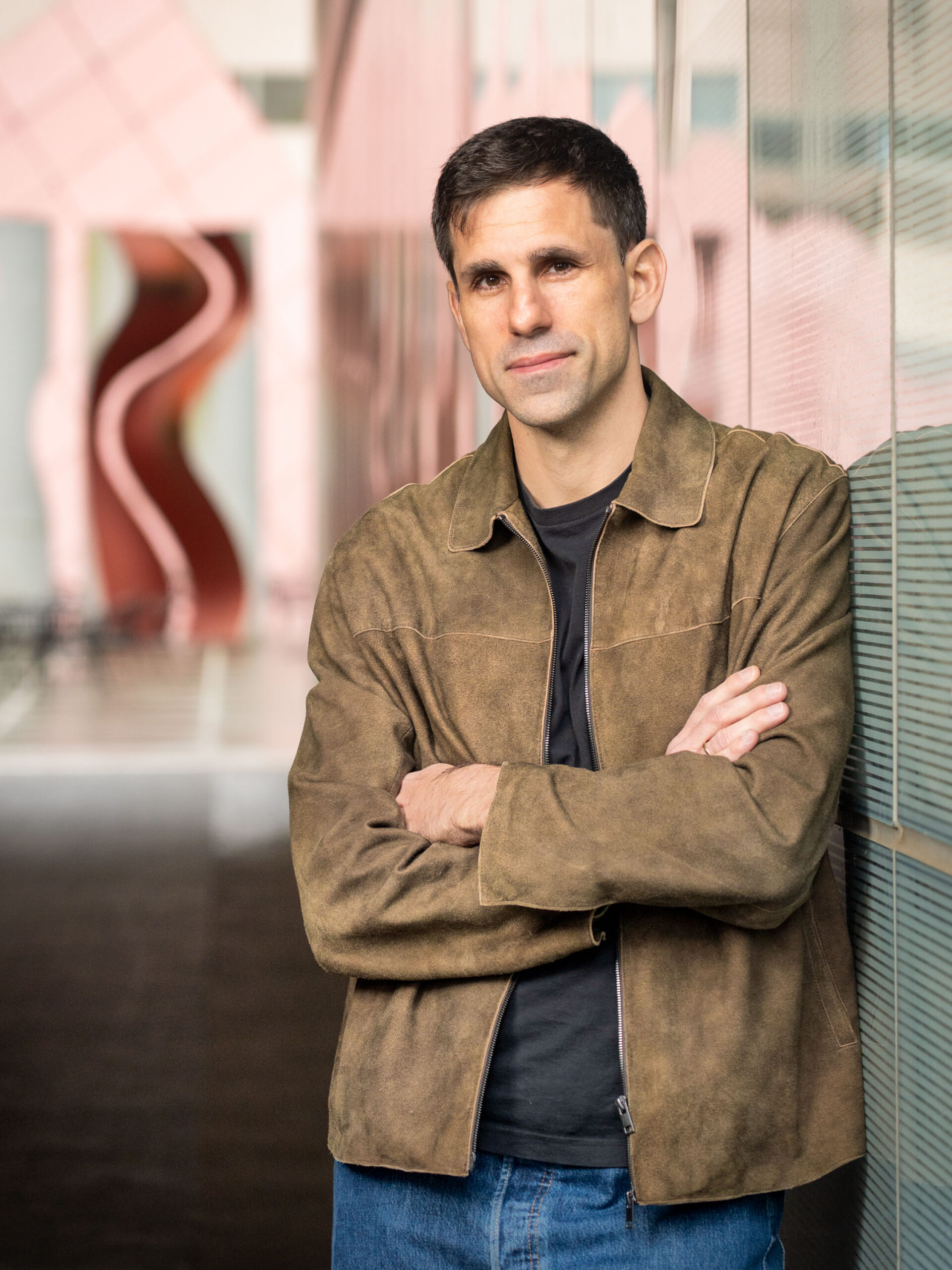
Cézar de la Fuente, a bioengineer at the University of Pennsylvania, is leveraging artificial intelligence to tackle the pressing issue of antimicrobial resistance, a problem that has only intensified over the past two decades. Currently, infections caused by drug-resistant bacteria, fungi, and viruses result in more than 4 million deaths annually, a figure that could rise to over 8 million by 2050, according to a recent analysis published in The Lancet.
In a significant essay published in July 2025 in Physical Review Letters, de la Fuente and synthetic biologist James Collins warned of a potential “post-antibiotic” era. This scenario would see common bacterial infections, such as those caused by Escherichia coli and Staphylococcus aureus, becoming untreatable. They highlighted that the current antibiotic discovery pipeline is alarmingly thin due to high costs, lengthy development timelines, and limited financial returns.
To alter this trajectory, de la Fuente’s team is training AI algorithms to comb through vast genomic databases in search of peptides with antibiotic properties. These peptides, which are short chains of amino acids, could be configured in ways that have never been seen in nature, potentially providing new defenses against resistant microbes.
The team has already identified promising peptides in unexpected sources. In August 2025, they reported discoveries from the genetic sequences of ancient single-celled organisms known as archaea. Prior to this, they had explored the venom of snakes, wasps, and spiders for viable candidates. In a unique endeavor dubbed “molecular de-extinction,” they are analyzing published genetic sequences of extinct species, including Neanderthals and woolly mammoths, for functional molecules that could have antimicrobial properties.
De la Fuente’s pioneering work has led to the creation of over one million genetic recipes for potential antimicrobial compounds. At just 40 years old, he has received numerous accolades from prestigious organizations, including the American Society for Microbiology and the American Chemical Society. His innovative approaches have earned him recognition as a leader in the integration of AI within antibiotic discovery.
“Cézar is marvelously talented and very innovative,” stated Collins, who has been a prominent figure in using AI for drug discovery. He noted that the field of antibiotic development requires as much creativity and innovation as possible, especially in light of the challenges posed by antimicrobial resistance.
De la Fuente characterizes antimicrobial resistance as an “almost impossible” challenge, driven by the overuse and misuse of antibiotics. Conventional methods of drug discovery are often prohibitively expensive and fraught with complications. Many companies that have attempted antibiotic development have folded due to poor returns on investment.
The traditional approach to antibiotic discovery has often relied on serendipity and brute-force methods, with researchers extracting antimicrobial molecules from complex organic materials. However, the vast number of possible organic combinations makes this process highly unpredictable.
“Drug discovery in any domain is a statistics game,” explained Jonathan Stokes, a chemical biologist at McMaster University. He noted that AI can significantly enhance researchers’ chances of success by improving their accuracy in identifying promising candidates.
De la Fuente emphasizes that biology can be viewed as a code, with DNA containing four letters and proteins comprising 20 amino acids. By training AI models to recognize specific sequences associated with antimicrobial peptides, his team aims to discover molecules that can serve as new drugs.
While the peptides identified thus far have not yet been developed into usable medications, their potential is promising. Antimicrobial peptides (AMPs) are integral to the immune system and offer a multifaceted approach to combating pathogens, often disrupting multiple cellular processes simultaneously.
The development of AI tools for antibiotic discovery is a burgeoning field. While de la Fuente concentrates on peptides, others like Collins and Stokes focus on small-molecule development. In a notable achievement, de la Fuente’s team successfully tested two synthetic peptides on mice infected with a drug-resistant strain of Acinetobacter baumannii, a pathogen deemed a “critical priority” by the World Health Organization.
As de la Fuente continues to refine his approach, he is developing a multimodal AI model named ApexOracle. This innovative tool is designed to analyze new pathogens, identify their genetic vulnerabilities, and match them with suitable antimicrobial peptides. Although still in the preliminary stages, this model aims to enhance the effectiveness of future AI-driven antibiotic discovery efforts.
De la Fuente’s work exemplifies the transformative potential of AI in addressing one of the most significant health challenges of our time. By harnessing technology, he believes that researchers can gain a fighting chance against the threat of antimicrobial resistance, ultimately saving lives in the process.









Revolutionary Photonic Ski-Jump Could Miniaturize LiDAR Systems

Couples Detox from Plastics in New Netflix Doc: Can It Boost Fertility?

Aventon Launches Affordable Full-Suspension Electric Mountain Bike

Discover Eight Must-Try Restaurants This Spring Season

UC Irvine Team Unveils Innovative Ion Pump for Water Treatment

One-Third of Americans Trim Daily Expenses for Healthcare Needs

Apple Secures First Oscar in Three Years with F1: The Movie

Fourth Graders Celebrate St. Patrick’s Day with Creative Weather Drawings

Kim Kardashian Dazzles at Vanity Fair Oscars Party 2026

Nostradamus’ 2026 Predictions: Star Death and Dark Events Loom

Breakthroughs and Challenges Await Science in 2026

Electric Moto Influencer Surronster Arrested in Tijuana

OpenAI to Implement Age Verification for ChatGPT by December 2025

Discover the Top 10 Calorie Counting Apps of 2025

Recovering a Suspended TikTok Account: A Step-by-Step Guide

Bella Hadid Shares Health Update After Treatment for Lyme Disease

Backpack Drives Equip Students with Supplies for New School Year

Analysts Project Stronger Growth for Apple’s iPhone 17 Lineup
-
 Science8 months ago
Nostradamus’ 2026 Predictions: Star Death and Dark Events Loom
-
 Science8 months ago
Breakthroughs and Challenges Await Science in 2026
-
 Technology11 months ago
Electric Moto Influencer Surronster Arrested in Tijuana
-
 Technology9 months ago
OpenAI to Implement Age Verification for ChatGPT by December 2025
-
 Technology1 year ago
Discover the Top 10 Calorie Counting Apps of 2025
-
 Technology1 year ago
Recovering a Suspended TikTok Account: A Step-by-Step Guide
-
 Health11 months ago
Bella Hadid Shares Health Update After Treatment for Lyme Disease
-
 Education1 year ago
Backpack Drives Equip Students with Supplies for New School Year
-
 Health11 months ago
Analysts Project Stronger Growth for Apple’s iPhone 17 Lineup
-

 Health12 months ago
Japanese Study Finds Rose Oil Can Increase Brain Gray Matter
-

 Technology8 months ago
Top 10 Penny Stocks to Watch in 2026 for Strong Returns
-

 Science10 months ago
Starship V3 Set for 2026 Launch After Successful Final Test of Version 2