
Science
Researchers Launch World’s Largest Dog and Cat Tumour Database

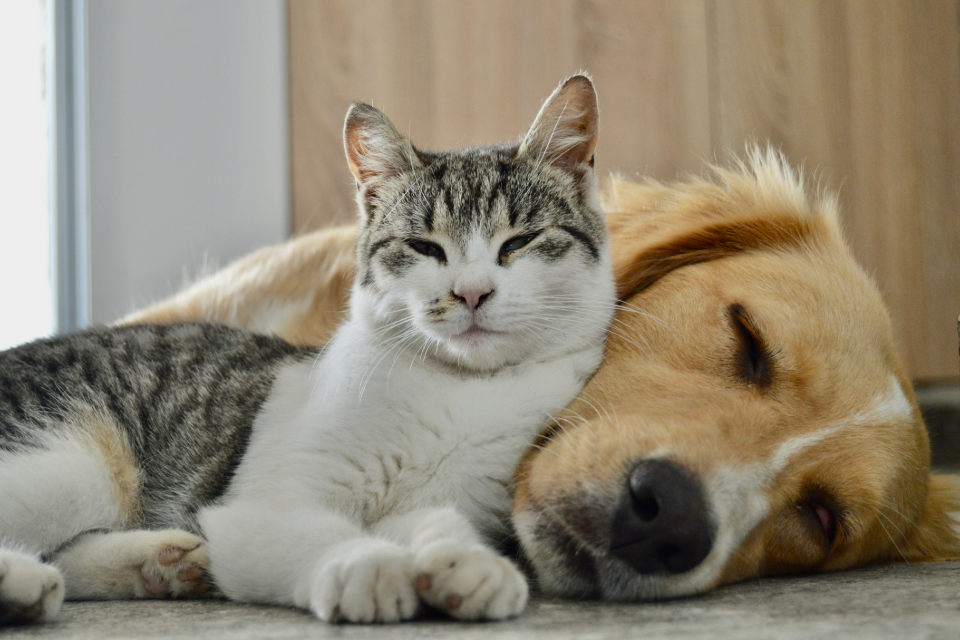
Researchers from the University of Liverpool and the University of Las Palmas de Gran Canaria have established the world’s largest open-source database focusing on canine and feline tumours. This extensive resource, comprising over one million records, aims to enhance the understanding of the factors that influence cancer risk in pets.
The initiative brings together a diverse team of experts in veterinary pathology, epidemiology, data science, and clinical practice. By collaborating with veterinary diagnostic laboratories, the researchers have successfully standardised and extracted diagnostic data, creating a comprehensive resource that can be used for advanced research.
Significance of the Tumour Registry
The sheer scale of the tumour registry allows for the in-depth study of rare cancers and specific breeds, which has not been possible until now. Researchers from around the globe can access this rich, standardised data to uncover patterns previously obscured by fragmented reporting.
David Killick, Professor of Veterinary Oncology at the University of Liverpool, emphasised the importance of understanding cancer risks for pets. He noted that most cancer diagnosis data for dogs and cats are held in private veterinary laboratories, making them difficult to access for research purposes. Through the Small Animal Veterinary Surveillance Network (SAVSNET), the team sought to consolidate vast quantities of data into a single, research-ready database.
“This tumour registry is a major step towards better understanding cancer risk in pets,” Killick remarked. He highlighted that the data will facilitate the identification of breed-related risks for specific tumour types. Early analyses have begun to raise questions about how neutering practices might influence the risks of particular cancers.
Expanding Research Horizons
Jose Rodríguez Torres, a PhD Veterinary Data Scientist at the University of Las Palmas de Gran Canaria, pointed out that while cancer diagnosis analysis is well-established in human medicine, animal research has lagged due to fragmented data. He described this study as a significant advancement, noting that the database includes more than 200 breeds and over 150 tumour types, paving the way for researchers worldwide to explore cancer risks across various tumour-breed combinations.
Dr. Francesco Cian from BattLab, one of the contributing laboratories, shared his enthusiasm for the project. “It has been a pleasure to work with the University of Liverpool and ULPGC on this project and to see a new use for the data we generate,” he said. Typically, lab results are used by veterinarians to assist pet owners, but this research has allowed the team to compile anonymised results and generate new insights into tumour risks faced by pets.
The team plans to expand the registry further by collaborating with additional laboratories and continues to collect data in real-time. As the registry grows, the analysis will become more refined, potentially leading to a better understanding of how dogs with tumours compare to the wider UK canine population.
A publicly accessible summary of the data has been created to help veterinarians, pet owners, and researchers better understand tumour risks. One aspect of the team’s work focusing on dog tumours is discussed in a recently published paper in Veterinary and Comparative Oncology, titled “Epidemiology of Four Major Canine Tumours in the UK: Insights From a National Pathology Registry With Comparative Oncology Perspectives” (DOI:10.1111/vco.70056).
This groundbreaking work is funded by the Petplan Charitable Trust, marking a significant step forward in veterinary oncology research. With the potential to revolutionise our understanding of cancer in pets, this database represents a vital resource for future studies and a step closer to improving animal health worldwide.






Revolutionary Photonic Ski-Jump Could Miniaturize LiDAR Systems

Couples Detox from Plastics in New Netflix Doc: Can It Boost Fertility?

Aventon Launches Affordable Full-Suspension Electric Mountain Bike

Discover Eight Must-Try Restaurants This Spring Season

UC Irvine Team Unveils Innovative Ion Pump for Water Treatment

One-Third of Americans Trim Daily Expenses for Healthcare Needs

Apple Secures First Oscar in Three Years with F1: The Movie

Fourth Graders Celebrate St. Patrick’s Day with Creative Weather Drawings

Kim Kardashian Dazzles at Vanity Fair Oscars Party 2026

Nostradamus’ 2026 Predictions: Star Death and Dark Events Loom

Breakthroughs and Challenges Await Science in 2026

Electric Moto Influencer Surronster Arrested in Tijuana

OpenAI to Implement Age Verification for ChatGPT by December 2025

Discover the Top 10 Calorie Counting Apps of 2025

Bella Hadid Shares Health Update After Treatment for Lyme Disease

Analysts Project Stronger Growth for Apple’s iPhone 17 Lineup

Japanese Study Finds Rose Oil Can Increase Brain Gray Matter

Top 10 Penny Stocks to Watch in 2026 for Strong Returns
-
 Science3 months ago
Nostradamus’ 2026 Predictions: Star Death and Dark Events Loom
-
 Science3 months ago
Breakthroughs and Challenges Await Science in 2026
-
 Technology7 months ago
Electric Moto Influencer Surronster Arrested in Tijuana
-
 Technology4 months ago
OpenAI to Implement Age Verification for ChatGPT by December 2025
-
 Technology9 months ago
Discover the Top 10 Calorie Counting Apps of 2025
-
 Health7 months ago
Bella Hadid Shares Health Update After Treatment for Lyme Disease
-
 Health7 months ago
Analysts Project Stronger Growth for Apple’s iPhone 17 Lineup
-
 Health7 months ago
Japanese Study Finds Rose Oil Can Increase Brain Gray Matter
-
 Technology4 months ago
Top 10 Penny Stocks to Watch in 2026 for Strong Returns
-

 Science6 months ago
Starship V3 Set for 2026 Launch After Successful Final Test of Version 2
-

 Technology1 month ago
Nvidia GTC 2026: Major Announcements Expected for AI and Hardware
-

 Education7 months ago
Harvard Secures Court Victory Over Federal Funding Cuts