
Science
Public Toilets in China Require Ads for Toilet Paper Access

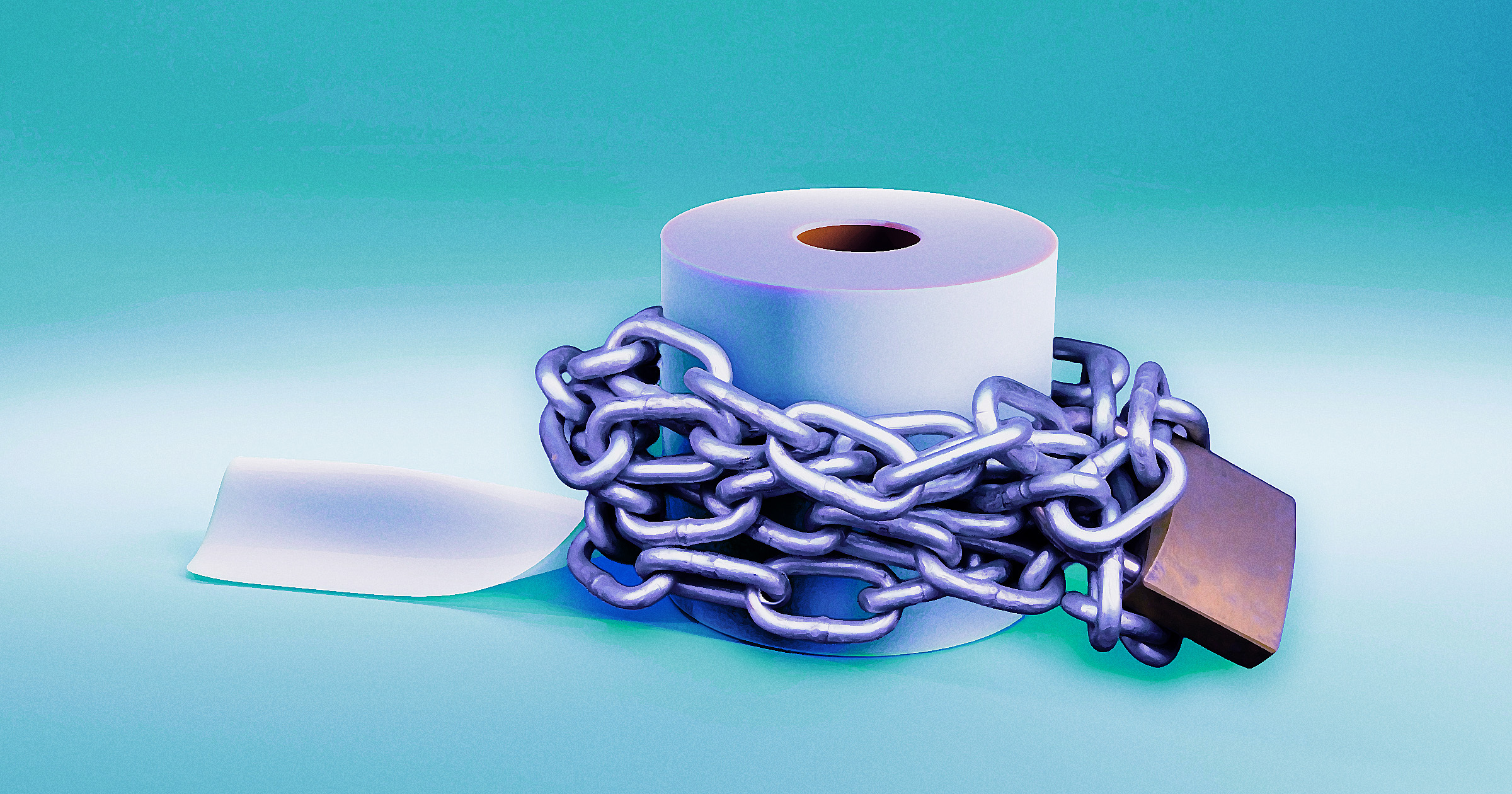
In a novel approach to managing public resources, some public toilets in China now require users to watch advertisements to obtain toilet paper. A video recently shared by China Insider, an outlet co-produced by anti-China media groups NTD and The Epoch Times, illustrates the unusual process. Users must scan a QR code with their smartphones to activate a toilet paper dispenser, after which they can either pay a small fee or watch a commercial.
While the effectiveness and practicality of this system remain subjects of debate, it is designed to address the issue of toilet paper misuse in public facilities. The outlet did not disclose the specific location of the video, leaving questions about whether this setup is found in a private establishment like a McDonald’s, a shopping mall, or a subway station.
Addressing Toilet Paper Theft
The implementation of this system appears to be a response to a longstanding problem in China: the theft of toilet paper from public restrooms. A 2017 report from the New York Times highlighted how park managers in popular tourist areas struggled with quickly depleting supplies of toilet paper. Surprisingly, the issue was not tourists but rather local residents taking advantage of free resources.
“He Zhiqiang,” a service worker quoted in the New York Times, noted, “The people who steal toilet paper are greedy. Toilet paper is a public resource. We need to prevent waste.” This sentiment reflects a broader concern that stems from decades of poverty in the country, which has left some individuals eager to exploit publicly available goods.
Public Facilities and Resource Management
The situation is exacerbated by the fact that many public toilets in China do not provide toilet paper as a standard amenity. Instead, a “bring your own toilet paper” (BYOTP) system is common, particularly in less affluent areas. While this practice is gradually changing in more tourist-centric regions, the introduction of advertising as a means of funding toilet paper access raises questions about the balance between resource management and user experience.
The reliance on ad technology has emerged as a potential solution to mitigate waste, although the effectiveness of such measures remains to be seen. As China continues to navigate the complexities of modernization and resource allocation, these innovative approaches to public amenities may become more commonplace.
In summary, the trend of linking toilet paper access to advertisements highlights the challenges of managing public resources in an increasingly commercialized environment. While it may streamline the distribution of toilet paper, it also raises important questions about equity and accessibility in public facilities.








Revolutionary Photonic Ski-Jump Could Miniaturize LiDAR Systems

Couples Detox from Plastics in New Netflix Doc: Can It Boost Fertility?

Aventon Launches Affordable Full-Suspension Electric Mountain Bike

Discover Eight Must-Try Restaurants This Spring Season

UC Irvine Team Unveils Innovative Ion Pump for Water Treatment

One-Third of Americans Trim Daily Expenses for Healthcare Needs

Apple Secures First Oscar in Three Years with F1: The Movie

Fourth Graders Celebrate St. Patrick’s Day with Creative Weather Drawings

Kim Kardashian Dazzles at Vanity Fair Oscars Party 2026

Nostradamus’ 2026 Predictions: Star Death and Dark Events Loom

Breakthroughs and Challenges Await Science in 2026

Electric Moto Influencer Surronster Arrested in Tijuana

OpenAI to Implement Age Verification for ChatGPT by December 2025

Discover the Top 10 Calorie Counting Apps of 2025

Recovering a Suspended TikTok Account: A Step-by-Step Guide

Bella Hadid Shares Health Update After Treatment for Lyme Disease

Backpack Drives Equip Students with Supplies for New School Year

Analysts Project Stronger Growth for Apple’s iPhone 17 Lineup
-
 Science8 months ago
Nostradamus’ 2026 Predictions: Star Death and Dark Events Loom
-
 Science8 months ago
Breakthroughs and Challenges Await Science in 2026
-
 Technology11 months ago
Electric Moto Influencer Surronster Arrested in Tijuana
-
 Technology9 months ago
OpenAI to Implement Age Verification for ChatGPT by December 2025
-
 Technology1 year ago
Discover the Top 10 Calorie Counting Apps of 2025
-
 Technology1 year ago
Recovering a Suspended TikTok Account: A Step-by-Step Guide
-
 Health11 months ago
Bella Hadid Shares Health Update After Treatment for Lyme Disease
-
 Education1 year ago
Backpack Drives Equip Students with Supplies for New School Year
-
 Health12 months ago
Analysts Project Stronger Growth for Apple’s iPhone 17 Lineup
-

 Health12 months ago
Japanese Study Finds Rose Oil Can Increase Brain Gray Matter
-

 Technology8 months ago
Top 10 Penny Stocks to Watch in 2026 for Strong Returns
-

 Science10 months ago
Starship V3 Set for 2026 Launch After Successful Final Test of Version 2