
Science
New Framework Explores Resource Constraints in Life’s Origins

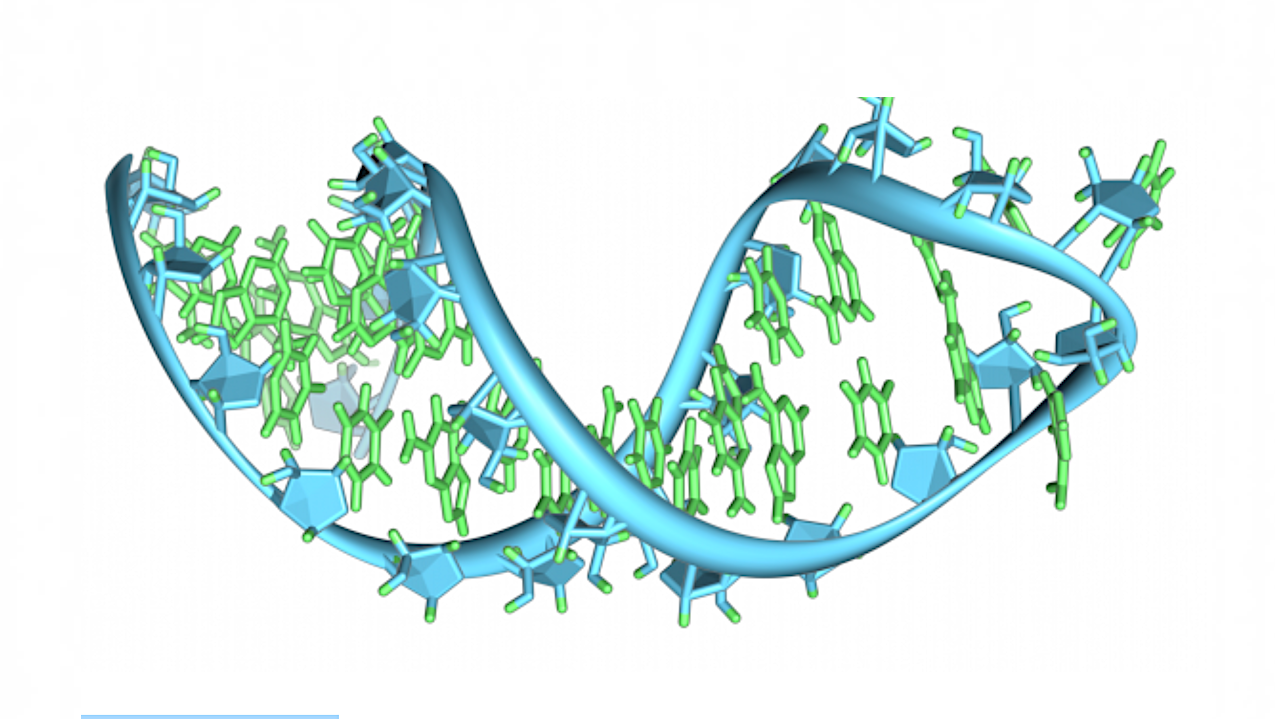
The origin of life on Earth has long puzzled scientists, prompting a call for innovative approaches to tackle this complex issue. A recent study introduces a computational framework based on **Linear Logic (LL)**, aiming to assess the feasibility of early biochemical pathways in various abiogenesis scenarios. This framework specifically addresses the limitations imposed by finite resources and energy constraints, offering a fresh perspective on how life could have emerged.
Exploring Biochemical Pathways
The LL-based model distinguishes itself from traditional logic by explicitly tracking the consumption and transformation of resources during biochemical reactions. Researchers simulate prebiotic conditions by encoding essential molecular processes, including **nucleotide activation**, **RNA formation**, and the transition from RNA to DNA. The findings suggest that under moderate energy conditions, nucleotide activation and RNA polymerization can occur efficiently, paving the way for the development of life.
The study highlights how oligomers, which are short sequences of nucleotides, initially increase in concentration before stabilizing. This behavior reflects the environmental influences that could impact RNA persistence in prebiotic settings. The research indicates that while stable RNA forms develop, they are susceptible to disruptions from fluctuations in temperature and energy.
Increased availability of catalysts significantly enhances RNA synthesis, underscoring the critical role of catalytic efficiency in early biochemical processes. The transition from RNA to DNA is shown to be gradual, with DNA oligomers beginning to form only after RNA has stabilized. This accumulation occurs at a slow pace, demonstrating the influence of RNA availability and energy input on overall DNA synthesis rates.
Environmental Sensitivities and Evolutionary Implications
The study reveals intriguing insights regarding the sensitivity of RNA synthesis to environmental changes, contrasting with the greater resilience shown by DNA formation. This difference suggests that RNA may have had a selective disadvantage during the evolutionary transitions from RNA-based to DNA-based life forms.
The computational framework developed in this research enables scientists to model biological change through logically consistent transitions, capturing the dynamics of cooperation, competition, inheritance, and adaptation among molecular processes. This approach emphasizes the significance of resource-sensitive strategies in understanding the emergence of life under prebiotic conditions.
By leveraging LL, the researchers effectively differentiate between independent and interdependent molecular processes, providing a clearer understanding of how life could have arisen from simple biochemical reactions constrained by limited resources. The implications of this study extend beyond theoretical biology, offering potential insights into astrobiology and genomics, as researchers continue to explore life’s origins.
This research is documented in detail on **biorxiv.org**, reflecting ongoing efforts to unravel the mysteries surrounding the origin of life and the mechanisms that may have facilitated it in the early Earth environment.












Revolutionary Photonic Ski-Jump Could Miniaturize LiDAR Systems

Couples Detox from Plastics in New Netflix Doc: Can It Boost Fertility?

Aventon Launches Affordable Full-Suspension Electric Mountain Bike

Discover Eight Must-Try Restaurants This Spring Season

UC Irvine Team Unveils Innovative Ion Pump for Water Treatment

One-Third of Americans Trim Daily Expenses for Healthcare Needs

Apple Secures First Oscar in Three Years with F1: The Movie

Fourth Graders Celebrate St. Patrick’s Day with Creative Weather Drawings

Kim Kardashian Dazzles at Vanity Fair Oscars Party 2026

Nostradamus’ 2026 Predictions: Star Death and Dark Events Loom

Breakthroughs and Challenges Await Science in 2026

OpenAI to Implement Age Verification for ChatGPT by December 2025

Electric Moto Influencer Surronster Arrested in Tijuana

Discover the Top 10 Calorie Counting Apps of 2025

Bella Hadid Shares Health Update After Treatment for Lyme Disease

Analysts Project Stronger Growth for Apple’s iPhone 17 Lineup

Top 10 Penny Stocks to Watch in 2026 for Strong Returns

Japanese Study Finds Rose Oil Can Increase Brain Gray Matter
-
 Science3 months ago
Nostradamus’ 2026 Predictions: Star Death and Dark Events Loom
-
 Science3 months ago
Breakthroughs and Challenges Await Science in 2026
-
 Technology4 months ago
OpenAI to Implement Age Verification for ChatGPT by December 2025
-
 Technology6 months ago
Electric Moto Influencer Surronster Arrested in Tijuana
-
 Technology8 months ago
Discover the Top 10 Calorie Counting Apps of 2025
-
 Health6 months ago
Bella Hadid Shares Health Update After Treatment for Lyme Disease
-
 Health7 months ago
Analysts Project Stronger Growth for Apple’s iPhone 17 Lineup
-
 Technology3 months ago
Top 10 Penny Stocks to Watch in 2026 for Strong Returns
-
 Health7 months ago
Japanese Study Finds Rose Oil Can Increase Brain Gray Matter
-

 Science5 months ago
Starship V3 Set for 2026 Launch After Successful Final Test of Version 2
-

 Technology4 weeks ago
Nvidia GTC 2026: Major Announcements Expected for AI and Hardware
-

 Education7 months ago
Harvard Secures Court Victory Over Federal Funding Cuts