
Science
Neanderthals Consumed Maggots, Study Reveals New Dietary Insights

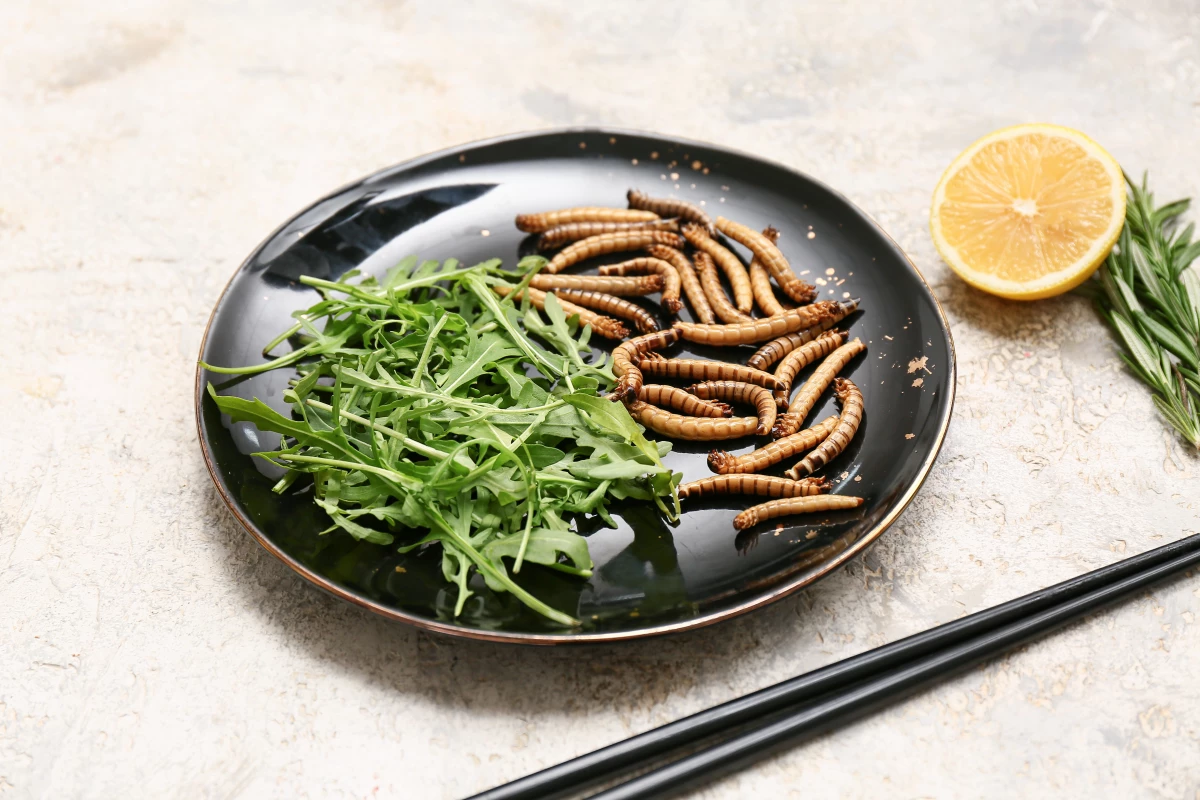
Researchers from Purdue University have uncovered surprising insights into the diet of Neanderthals, revealing that these ancient humans consumed more than just large game. Their findings indicate that Neanderthals also included maggots in their diet, suggesting a broader range of food sources than previously understood. The study was led by anthropologist Melanie Beasley and published in the journal Science Advances.
By analyzing chemical clues from Neanderthal bones, Beasley and her team positioned the species at the top of the food chain, alongside apex predators such as lions. The bones indicated that Neanderthals feasted on large animals like mammoths and bison. However, the researchers identified a significant omission in the understanding of their diet: the consumption of fly larvae, or maggots, which are rich in fats and easy to collect.
To determine how Neanderthals might have consumed maggots, the research team examined stable nitrogen isotopes found in bones. These isotopes, specifically Nitrogen-14 and Nitrogen-15, act as dietary markers. Generally, nitrogen levels increase as one moves up the food chain; plants have low levels, herbivores collect some from plants, and carnivores exhibit the highest concentrations. The analysis of nitrogen isotopes from Neanderthal bones across Europe showed substantial levels of Nitrogen-15, comparable to or exceeding those of wolves and hyenas, suggesting a meat-heavy diet.
This finding, however, puzzled researchers. Unlike other apex predators, humans—including Neanderthals—struggle to process high levels of protein. Consuming excessive protein can lead to a condition known as “rabbit starvation.” This prompted the team to consider alternative explanations for the elevated nitrogen levels in Neanderthal bones.
Interestingly, modern-day Homo sapiens exhibit similar nitrogen isotope patterns. Some Indigenous tribes in the Arctic and subarctic regions are known to consume maggots from decaying meat, leading researchers to investigate whether maggots could contribute to the high nitrogen-15 levels in Neanderthal remains.
The research revealed that maggots feeding on decomposing meat have nitrogen-15 concentrations nearly four times higher than that of a lion. To further test this hypothesis, the team analyzed fly larvae that fed on decomposing human muscle tissue. They discovered that as flesh decomposes, lighter nitrogen atoms are released as gases, leaving behind the heavier isotopes, which are then accumulated by the maggots. Notably, larvae collected in winter exhibited even higher nitrogen-15 levels, likely due to the slower decomposition process in colder temperatures.
The findings suggest that Neanderthals may have regularly consumed maggots along with decomposed animal flesh, explaining their elevated nitrogen-15 values without necessitating a strictly hypercarnivorous diet. The research team concluded, “In the particular case considered here of Eurasian Late Pleistocene hominins, we suspect that the high [Nitrogen-15] values reflect routine consumption of stored decomposing fatty animal substrates laced with highly enriched maggots.”
This study enhances our understanding of Neanderthal dietary habits, illustrating their adaptability and diverse food sources in the challenging environments they inhabited. As researchers continue to explore the complexities of Neanderthal life, findings like these contribute to a more nuanced view of our ancient relatives.








Revolutionary Photonic Ski-Jump Could Miniaturize LiDAR Systems

Couples Detox from Plastics in New Netflix Doc: Can It Boost Fertility?

Aventon Launches Affordable Full-Suspension Electric Mountain Bike

Discover Eight Must-Try Restaurants This Spring Season

UC Irvine Team Unveils Innovative Ion Pump for Water Treatment

One-Third of Americans Trim Daily Expenses for Healthcare Needs

Apple Secures First Oscar in Three Years with F1: The Movie

Fourth Graders Celebrate St. Patrick’s Day with Creative Weather Drawings

Kim Kardashian Dazzles at Vanity Fair Oscars Party 2026

Nostradamus’ 2026 Predictions: Star Death and Dark Events Loom

Breakthroughs and Challenges Await Science in 2026

Electric Moto Influencer Surronster Arrested in Tijuana

OpenAI to Implement Age Verification for ChatGPT by December 2025

Discover the Top 10 Calorie Counting Apps of 2025

Recovering a Suspended TikTok Account: A Step-by-Step Guide

Bella Hadid Shares Health Update After Treatment for Lyme Disease

Backpack Drives Equip Students with Supplies for New School Year

Analysts Project Stronger Growth for Apple’s iPhone 17 Lineup
-
 Science7 months ago
Nostradamus’ 2026 Predictions: Star Death and Dark Events Loom
-
 Science7 months ago
Breakthroughs and Challenges Await Science in 2026
-
 Technology10 months ago
Electric Moto Influencer Surronster Arrested in Tijuana
-
 Technology8 months ago
OpenAI to Implement Age Verification for ChatGPT by December 2025
-
 Technology1 year ago
Discover the Top 10 Calorie Counting Apps of 2025
-
 Technology1 year ago
Recovering a Suspended TikTok Account: A Step-by-Step Guide
-
 Health10 months ago
Bella Hadid Shares Health Update After Treatment for Lyme Disease
-
 Education1 year ago
Backpack Drives Equip Students with Supplies for New School Year
-
 Health11 months ago
Analysts Project Stronger Growth for Apple’s iPhone 17 Lineup
-

 Technology7 months ago
Top 10 Penny Stocks to Watch in 2026 for Strong Returns
-

 Health11 months ago
Japanese Study Finds Rose Oil Can Increase Brain Gray Matter
-

 Science10 months ago
Starship V3 Set for 2026 Launch After Successful Final Test of Version 2