
Science
Modern Dental Technology Revolutionizes Patient Experiences

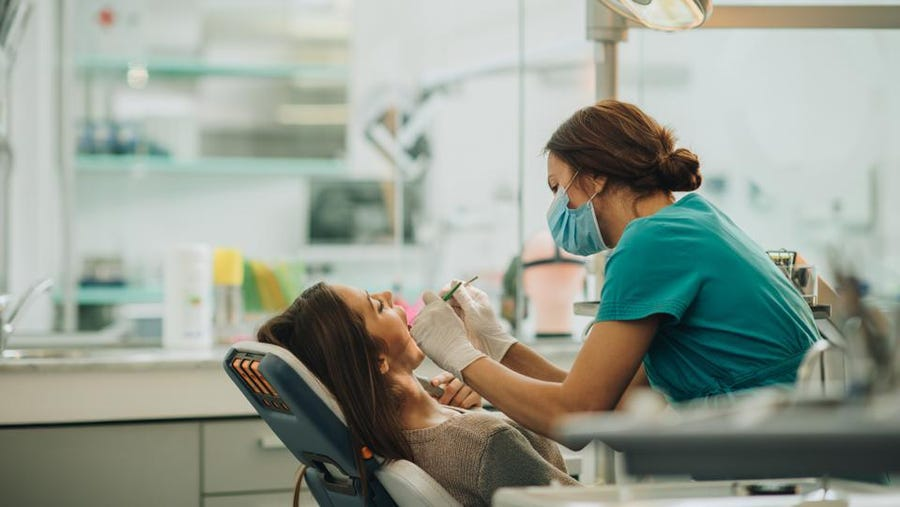
Advancements in dental technology are significantly improving patient experiences in oral healthcare. Traditional visits, often associated with discomfort and lengthy procedures, are increasingly being replaced by innovative tools and techniques that enhance treatment precision. The integration of these technologies not only streamlines appointments but also makes them faster and more comfortable for patients.
Transforming Diagnosis with Digital Imaging
One of the most notable advancements in dental care is the shift towards digital imaging technologies. Traditional X-rays are being replaced by high-resolution digital scans that allow for more accurate and rapid detection of dental issues. This innovation minimizes radiation exposure and provides instant images, enabling immediate diagnosis and treatment planning. As a result, patients no longer endure long waits for results, which alleviates anxiety and allows for quicker interventions when problems arise.
Moreover, advanced imaging technologies empower patients by facilitating a clearer understanding of their oral health. Dentists can visually explain conditions and treatment options through digital displays, fostering informed decision-making among patients regarding their care plans.
Enhancing Comfort and Precision with Minimally Invasive Tools
Modern dental tools are designed with patient comfort in mind. Innovations such as laser dentistry and ultrasonic instruments enable minimally invasive procedures that significantly reduce pain, bleeding, and recovery time. For example, lasers can precisely remove decayed tissue without damaging surrounding areas, making procedures like cavity removal or gum reshaping considerably less intimidating.
Additionally, computer-guided systems for complex procedures, such as dental implants, enhance accuracy, thereby reducing the risk of complications and promoting faster recovery. Patients can undergo intricate treatments with confidence, knowing that modern technology is enhancing the safety and effectiveness of their dental care.
The advent of 3D printing in dentistry has also revolutionized how dental restorations are created. Crowns, bridges, and dentures can be produced in-house with remarkable precision, often within a single appointment. This capability reduces the waiting period for patients and ensures a superior fit and appearance. Consequently, many treatments can be completed in just one session, saving time and alleviating stress.
Digital records and patient-centered approaches have further transformed the dental experience. The use of electronic health records (EHRs) allows dentists to access comprehensive patient histories easily, ensuring continuity of care and minimizing the need for repeated questions about previous treatments. Online booking systems and automated reminders streamline scheduling, significantly reducing the likelihood of missed appointments.
Furthermore, modern technology addresses dental anxiety, a common barrier to routine care. Virtual consultations and intraoral cameras allow patients to visualize and discuss their conditions prior to treatment, reducing uncertainty. Sedation techniques and ergonomic dental chairs contribute to a calming atmosphere, enabling patients to feel relaxed and in control during their visits.
For example, the Clapham dentists at directdental.co.uk are recognized for their commitment to integrating advanced technologies into their practice, demonstrating how innovation and patient-centered care can coexist harmoniously.
Looking ahead, the future of dental technology promises even further enhancements to patient experiences. The potential integration of artificial intelligence in diagnostics may allow for the prediction of issues before they escalate. Smart toothbrushes and home monitoring devices could provide real-time feedback, encouraging patients to take a more proactive role in their oral health.
In conclusion, the evolution of dental technology not only enhances the efficiency and effectiveness of treatments but also reshapes how patients perceive and engage with dental care. What was once a source of stress is now evolving into an experience that is informative, comfortable, and empowering. The ongoing advancements in this field underscore a commitment to improving patient experiences in oral healthcare.









Revolutionary Photonic Ski-Jump Could Miniaturize LiDAR Systems

Couples Detox from Plastics in New Netflix Doc: Can It Boost Fertility?

Aventon Launches Affordable Full-Suspension Electric Mountain Bike

Discover Eight Must-Try Restaurants This Spring Season

UC Irvine Team Unveils Innovative Ion Pump for Water Treatment

One-Third of Americans Trim Daily Expenses for Healthcare Needs

Apple Secures First Oscar in Three Years with F1: The Movie

Fourth Graders Celebrate St. Patrick’s Day with Creative Weather Drawings

Kim Kardashian Dazzles at Vanity Fair Oscars Party 2026

Nostradamus’ 2026 Predictions: Star Death and Dark Events Loom

Breakthroughs and Challenges Await Science in 2026

Electric Moto Influencer Surronster Arrested in Tijuana

OpenAI to Implement Age Verification for ChatGPT by December 2025

Discover the Top 10 Calorie Counting Apps of 2025

Bella Hadid Shares Health Update After Treatment for Lyme Disease

Analysts Project Stronger Growth for Apple’s iPhone 17 Lineup

Japanese Study Finds Rose Oil Can Increase Brain Gray Matter

Top 10 Penny Stocks to Watch in 2026 for Strong Returns
-
 Science3 months ago
Nostradamus’ 2026 Predictions: Star Death and Dark Events Loom
-
 Science4 months ago
Breakthroughs and Challenges Await Science in 2026
-
 Technology7 months ago
Electric Moto Influencer Surronster Arrested in Tijuana
-
 Technology4 months ago
OpenAI to Implement Age Verification for ChatGPT by December 2025
-
 Technology9 months ago
Discover the Top 10 Calorie Counting Apps of 2025
-
 Health7 months ago
Bella Hadid Shares Health Update After Treatment for Lyme Disease
-
 Health7 months ago
Analysts Project Stronger Growth for Apple’s iPhone 17 Lineup
-
 Health7 months ago
Japanese Study Finds Rose Oil Can Increase Brain Gray Matter
-
 Technology4 months ago
Top 10 Penny Stocks to Watch in 2026 for Strong Returns
-

 Science6 months ago
Starship V3 Set for 2026 Launch After Successful Final Test of Version 2
-

 Technology1 month ago
Nvidia GTC 2026: Major Announcements Expected for AI and Hardware
-

 Education7 months ago
Harvard Secures Court Victory Over Federal Funding Cuts