
Science
Historian William Dalrymple Explores Ancient India’s Lasting Impact

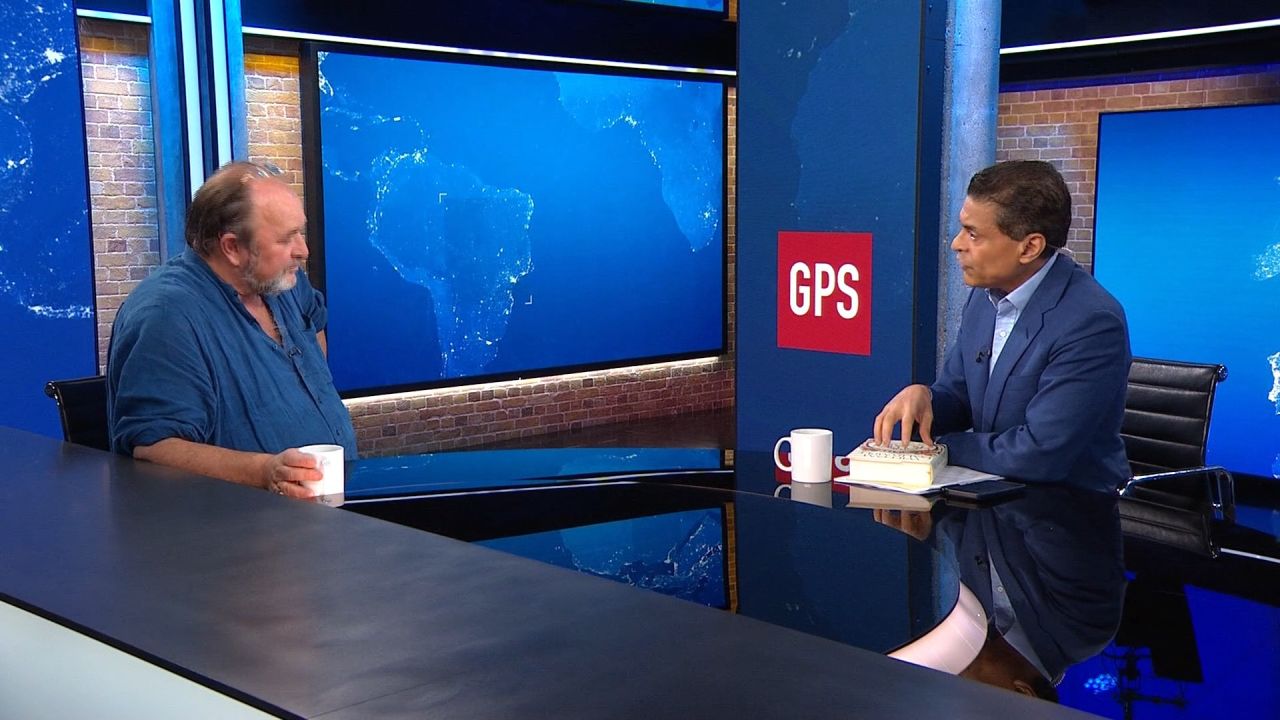
In a recent conversation on the program GPS, historian William Dalrymple delved into the profound influence of ancient India on modern civilization. His discussion centered around his latest book, which emphasizes the significant contributions of this ancient culture, including the concepts of zero, chess, and the heliocentric model of the solar system.
Revisiting Ancient Contributions
Dalrymple highlighted how ancient India served as a cradle for key intellectual advancements that shaped various fields of study. The introduction of the number zero is often cited as one of the most critical mathematical breakthroughs. This seemingly simple concept revolutionized mathematics, enabling more complex calculations and facilitating advancements in science and engineering.
Chess, a game that has captured the imagination of millions, also traces its roots back to ancient India. Originally known as “Chaturanga,” the game’s strategic elements reflect the military tactics of its time. Dalrymple noted that the game’s evolution has made it a global phenomenon, influencing countless cultures and promoting critical thinking.
The Heliocentric Theory’s Origins
Moreover, Dalrymple pointed out that the ancient Indians were among the first to propose the idea that the earth revolves around the sun, challenging the long-held geocentric views. This early understanding laid the groundwork for later astronomers, such as Nicolaus Copernicus, who would further develop these revolutionary ideas during the Renaissance.
Dalrymple’s exploration of these themes not only sheds light on historical achievements but also emphasizes the interconnectedness of cultures throughout history. The narrative he presents in his book serves as a reminder of the debt contemporary society owes to ancient civilizations, particularly in India, where many foundational ideas originated.
As the conversation unfolded, Dalrymple’s passionate recounting of these historical milestones revealed the importance of recognizing and appreciating the roots of modern knowledge. His work calls for a broader understanding of history that acknowledges the contributions of diverse cultures.
In an age where global knowledge is often taken for granted, Dalrymple’s insights provide a much-needed perspective on how ancient civilizations like India have shaped the world as we know it today. His book invites readers to reflect on the interconnectedness of human achievement and the enduring legacy of ideas that originated thousands of years ago.












Revolutionary Photonic Ski-Jump Could Miniaturize LiDAR Systems

Couples Detox from Plastics in New Netflix Doc: Can It Boost Fertility?

Aventon Launches Affordable Full-Suspension Electric Mountain Bike

Discover Eight Must-Try Restaurants This Spring Season

UC Irvine Team Unveils Innovative Ion Pump for Water Treatment

One-Third of Americans Trim Daily Expenses for Healthcare Needs

Apple Secures First Oscar in Three Years with F1: The Movie

Fourth Graders Celebrate St. Patrick’s Day with Creative Weather Drawings

Kim Kardashian Dazzles at Vanity Fair Oscars Party 2026

Nostradamus’ 2026 Predictions: Star Death and Dark Events Loom

Breakthroughs and Challenges Await Science in 2026

Electric Moto Influencer Surronster Arrested in Tijuana

OpenAI to Implement Age Verification for ChatGPT by December 2025

Discover the Top 10 Calorie Counting Apps of 2025

Bella Hadid Shares Health Update After Treatment for Lyme Disease

Analysts Project Stronger Growth for Apple’s iPhone 17 Lineup

Japanese Study Finds Rose Oil Can Increase Brain Gray Matter

Top 10 Penny Stocks to Watch in 2026 for Strong Returns
-
 Science4 months ago
Nostradamus’ 2026 Predictions: Star Death and Dark Events Loom
-
 Science4 months ago
Breakthroughs and Challenges Await Science in 2026
-
 Technology7 months ago
Electric Moto Influencer Surronster Arrested in Tijuana
-
 Technology4 months ago
OpenAI to Implement Age Verification for ChatGPT by December 2025
-
 Technology9 months ago
Discover the Top 10 Calorie Counting Apps of 2025
-
 Health7 months ago
Bella Hadid Shares Health Update After Treatment for Lyme Disease
-
 Health7 months ago
Analysts Project Stronger Growth for Apple’s iPhone 17 Lineup
-
 Health7 months ago
Japanese Study Finds Rose Oil Can Increase Brain Gray Matter
-
 Technology4 months ago
Top 10 Penny Stocks to Watch in 2026 for Strong Returns
-

 Science6 months ago
Starship V3 Set for 2026 Launch After Successful Final Test of Version 2
-

 Technology1 month ago
Nvidia GTC 2026: Major Announcements Expected for AI and Hardware
-

 Education7 months ago
Harvard Secures Court Victory Over Federal Funding Cuts