
Science
Henrietta Lacks: The Legacy of Her Immortal Cells in Medicine

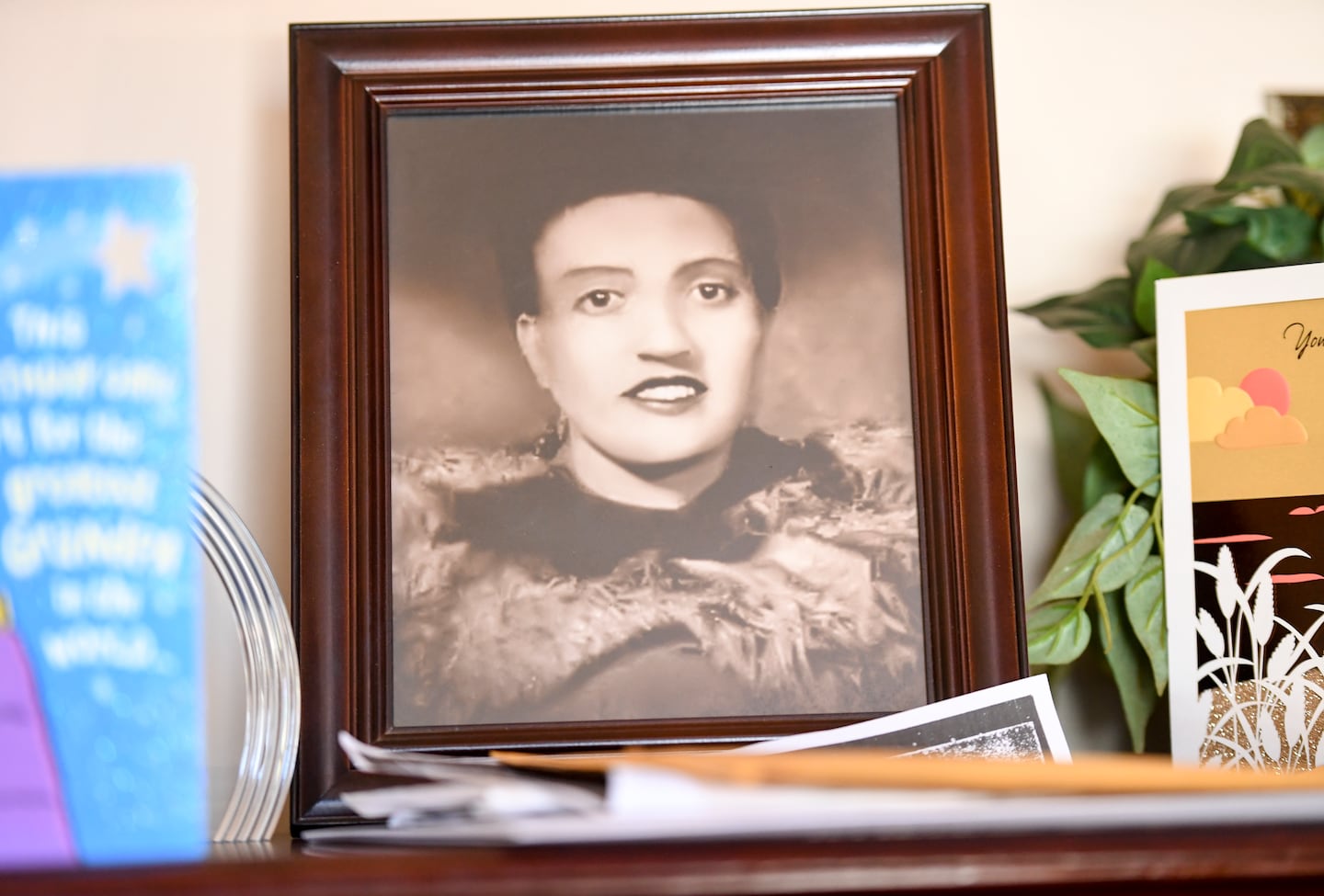
Seventy-five years ago, Henrietta Lacks unknowingly became part of a transformative chapter in medical history. In 1951, doctors at Johns Hopkins Hospital harvested cells from Lacks, an African American woman suffering from cervical cancer, without her consent. Those cells, known as HeLa cells, would go on to revolutionize medical research, contributing to significant breakthroughs, including the development of the polio and HPV vaccines and treatments for conditions such as HIV/AIDS and leukemia.
The legacy of Lacks’s cells endures, prompting ongoing discussions about ethics in medical research. Researchers today reflect on the profound implications of utilizing Lacks’s cells without her knowledge or approval. “To the modern researcher, the fact that cells were taken from a patient who didn’t know is astounding,” noted Cigall Kadoch, an associate professor of pediatric oncology at the Dana-Farber Cancer Institute and Harvard Medical School.
Lacks’s story gained wider recognition following the 2010 publication of “The Immortal Life of Henrietta Lacks” by Rebecca Skloot. This narrative brought to light not only the scientific significance of HeLa cells but also the ethical dilemmas surrounding informed consent in medical research. In a recent development, Lacks’s family reached a confidential settlement with Thermo Fisher Scientific in March 2023, following claims that the company profited from her cells without acknowledging her contribution. They had previously settled with Novartis earlier in the same month.
Born in 1920 in Roanoke, Virginia, Lacks worked on a tobacco farm and married David “Day” Lacks in 1941, with whom she had five children. Her visit to Johns Hopkins on February 1, 1951, marked the beginning of her unwitting contribution to science. After being diagnosed with cervical cancer, Lacks signed a consent form for necessary operations, but she was unaware that samples from her tumor and healthy tissue would be collected for research.
Dr. George Gey, who cultured Lacks’s cells, discovered that they were rapidly reproducing, an unprecedented phenomenon in laboratory settings. He named the cells “HeLa,” derived from the first two letters of her first and last names. Gey’s work laid the foundation for a new era in biological research, allowing scientists to study human cells outside the body for extended periods.
Researchers, including Dr. Sabrina Assoumou, an infectious disease physician at Boston Medical Center, credit HeLa cells with advancing their work. Assoumou’s research focuses on HIV, and she is involved in the development of a long-acting medication for the virus, recently approved by the FDA. “HeLa cells have been critical for many scientific discoveries, especially for understanding HIV infection,” Assoumou stated.
The early stages of HIV/AIDS research revealed that HeLa cells do not get infected by the virus in the same manner as immune cells. This insight enabled scientists to manipulate HeLa cell DNA to study how HIV infects cells, leading to the development of treatments that enhance patient outcomes, according to the National Institutes of Health.
Kadoch emphasizes the importance of HeLa cells in advancing cancer research, noting that advancements in gene sequencing have provided insights into the genetic foundations of various cancers. “Cancer is not one disease but a diverse collection of many different diseases,” she explained. Despite the challenges in establishing cell lines for all cancer types, Kadoch believes that understanding the unique characteristics of different cell lines can lead to better treatments.
The ethical implications of Lacks’s case have sparked significant changes in research practices. Assoumou participated in creating a course at Boston Medical Center aimed at educating medical interpreters about the historical context of medical mistrust, including cases like Lacks’s and the Tuskegee syphilis study. This course helps interpreters advocate for patients who may not be proficient in English, fostering a more inclusive approach to clinical trials.
Kadoch asserts that informed consent is essential for ensuring diverse research participation. “We’ll do a better job in our battle against cancer if we understand the varied genetic backgrounds of individuals affected by these diseases,” she said.
In reflecting on the legacy of Henrietta Lacks, Kadoch urges her colleagues to acknowledge the contributions of patients in research. “Know what you work with, and where it came from,” she advises, emphasizing the critical link between ethical research practices and scientific advancement.
Lacks’s story and the ongoing impact of HeLa cells continue to resonate within the scientific community, prompting both innovation and a reevaluation of ethical standards in medical research. The journey from obscurity to legacy serves as a powerful reminder of the human stories underlying scientific progress.









Revolutionary Photonic Ski-Jump Could Miniaturize LiDAR Systems

Couples Detox from Plastics in New Netflix Doc: Can It Boost Fertility?

Aventon Launches Affordable Full-Suspension Electric Mountain Bike

Discover Eight Must-Try Restaurants This Spring Season

UC Irvine Team Unveils Innovative Ion Pump for Water Treatment

One-Third of Americans Trim Daily Expenses for Healthcare Needs

Apple Secures First Oscar in Three Years with F1: The Movie

Fourth Graders Celebrate St. Patrick’s Day with Creative Weather Drawings

Kim Kardashian Dazzles at Vanity Fair Oscars Party 2026

Nostradamus’ 2026 Predictions: Star Death and Dark Events Loom

Breakthroughs and Challenges Await Science in 2026

Electric Moto Influencer Surronster Arrested in Tijuana

OpenAI to Implement Age Verification for ChatGPT by December 2025

Discover the Top 10 Calorie Counting Apps of 2025

Bella Hadid Shares Health Update After Treatment for Lyme Disease

Analysts Project Stronger Growth for Apple’s iPhone 17 Lineup

Japanese Study Finds Rose Oil Can Increase Brain Gray Matter

Top 10 Penny Stocks to Watch in 2026 for Strong Returns
-
 Science3 months ago
Nostradamus’ 2026 Predictions: Star Death and Dark Events Loom
-
 Science3 months ago
Breakthroughs and Challenges Await Science in 2026
-
 Technology7 months ago
Electric Moto Influencer Surronster Arrested in Tijuana
-
 Technology4 months ago
OpenAI to Implement Age Verification for ChatGPT by December 2025
-
 Technology9 months ago
Discover the Top 10 Calorie Counting Apps of 2025
-
 Health7 months ago
Bella Hadid Shares Health Update After Treatment for Lyme Disease
-
 Health7 months ago
Analysts Project Stronger Growth for Apple’s iPhone 17 Lineup
-
 Health7 months ago
Japanese Study Finds Rose Oil Can Increase Brain Gray Matter
-
 Technology4 months ago
Top 10 Penny Stocks to Watch in 2026 for Strong Returns
-

 Science6 months ago
Starship V3 Set for 2026 Launch After Successful Final Test of Version 2
-

 Technology1 month ago
Nvidia GTC 2026: Major Announcements Expected for AI and Hardware
-

 Education7 months ago
Harvard Secures Court Victory Over Federal Funding Cuts