
Science
He Jiankui Aims for Human Gene Editing Despite Past Controversy

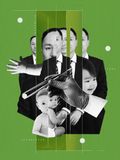
In a controversial turn of events, Chinese scientist He Jiankui is attempting to reestablish himself in the field of gene editing following his imprisonment for creating the world’s first gene-edited babies in 2018. During a scientific conference in Hong Kong, He announced the birth of three girls whose genomes were modified to resist HIV. This groundbreaking—but ethically dubious—work led to a three-year prison sentence and a nationwide ban on reproductive genome editing in China.
Since his release in 2022, He has shifted focus to developing a gene therapy for boys suffering from Duchenne muscular dystrophy. Although he has not yet published any results, He claims that a pharmaceutical company has shown interest in his research. Additionally, he has set up an independent laboratory in south Beijing and has recently begun discussing the possibility of editing human embryos to prevent Alzheimer’s disease.
Germline editing remains illegal in most countries, including the United States, making He’s future plans uncertain. He has been actively documenting his journey on social media, portraying himself as a “pioneer of gene editing.” He has referred to himself in various terms, such as “Chinese Darwin” and “China’s Frankenstein,” while sharing images of himself in his lab.
Research Focus and Funding
He’s current research is centered on the APP-A673T mutation, discovered in Icelandic populations, which is associated with a lower risk of developing Alzheimer’s. He aims to introduce this mutation to future generations to enhance their resistance to the disease. Currently, He is working with human cell lines but has ambitious plans for the future.
When asked about his funding sources, He disclosed that he has raised 50 million yuan (approximately $7 million) through donations and early investments, with no government grants involved. He is seeking an additional $10 million to advance his Alzheimer’s research through phases including animal studies and potentially clinical trials.
He maintains that his motivations are not driven by wealthy parents seeking enhancements for their children but rather by a desire to prevent diseases. His lab currently employs just a handful of staff, underscoring the scale of his operations.
Future Aspirations and Regulations
Legal hurdles loom over He’s ambitions, particularly given his prior conviction. Germline gene editing is prohibited in China, and He acknowledges the need to conduct his research within legal frameworks. He has expressed interest in relocating his research efforts to South Africa, where recent changes in regulations could allow for human embryo editing.
During an interview, He articulated a vision for the future where multiple genetic edits could be made to embryos, preventing a range of diseases. He stated, “If we could have multiple edits that could prevent cancer, Alzheimer’s, cardiovascular disease, HIV, and others…the children born will be much healthier and maybe even live longer than us.”
Despite the ethical controversies surrounding his past work, He insists that the primary goal of his research is to enhance health outcomes. He believes that ensuring improved patient health should take precedence over ethical considerations or geopolitical issues.
As He Jiankui navigates the complexities of his past and future, the scientific community watches closely, aware that his next steps could reshape the landscape of genetic research.












Revolutionary Photonic Ski-Jump Could Miniaturize LiDAR Systems

Couples Detox from Plastics in New Netflix Doc: Can It Boost Fertility?

Aventon Launches Affordable Full-Suspension Electric Mountain Bike

Discover Eight Must-Try Restaurants This Spring Season

UC Irvine Team Unveils Innovative Ion Pump for Water Treatment

One-Third of Americans Trim Daily Expenses for Healthcare Needs

Apple Secures First Oscar in Three Years with F1: The Movie

Fourth Graders Celebrate St. Patrick’s Day with Creative Weather Drawings

Kim Kardashian Dazzles at Vanity Fair Oscars Party 2026

Nostradamus’ 2026 Predictions: Star Death and Dark Events Loom

Breakthroughs and Challenges Await Science in 2026

Electric Moto Influencer Surronster Arrested in Tijuana

OpenAI to Implement Age Verification for ChatGPT by December 2025

Discover the Top 10 Calorie Counting Apps of 2025

Bella Hadid Shares Health Update After Treatment for Lyme Disease

Analysts Project Stronger Growth for Apple’s iPhone 17 Lineup

Japanese Study Finds Rose Oil Can Increase Brain Gray Matter

Top 10 Penny Stocks to Watch in 2026 for Strong Returns
-
 Science3 months ago
Nostradamus’ 2026 Predictions: Star Death and Dark Events Loom
-
 Science4 months ago
Breakthroughs and Challenges Await Science in 2026
-
 Technology7 months ago
Electric Moto Influencer Surronster Arrested in Tijuana
-
 Technology4 months ago
OpenAI to Implement Age Verification for ChatGPT by December 2025
-
 Technology9 months ago
Discover the Top 10 Calorie Counting Apps of 2025
-
 Health7 months ago
Bella Hadid Shares Health Update After Treatment for Lyme Disease
-
 Health7 months ago
Analysts Project Stronger Growth for Apple’s iPhone 17 Lineup
-
 Health7 months ago
Japanese Study Finds Rose Oil Can Increase Brain Gray Matter
-
 Technology4 months ago
Top 10 Penny Stocks to Watch in 2026 for Strong Returns
-

 Science6 months ago
Starship V3 Set for 2026 Launch After Successful Final Test of Version 2
-

 Technology1 month ago
Nvidia GTC 2026: Major Announcements Expected for AI and Hardware
-

 Education7 months ago
Harvard Secures Court Victory Over Federal Funding Cuts