
Science
Columbia University Unveils Tech to Combat Preterm Birth Risks

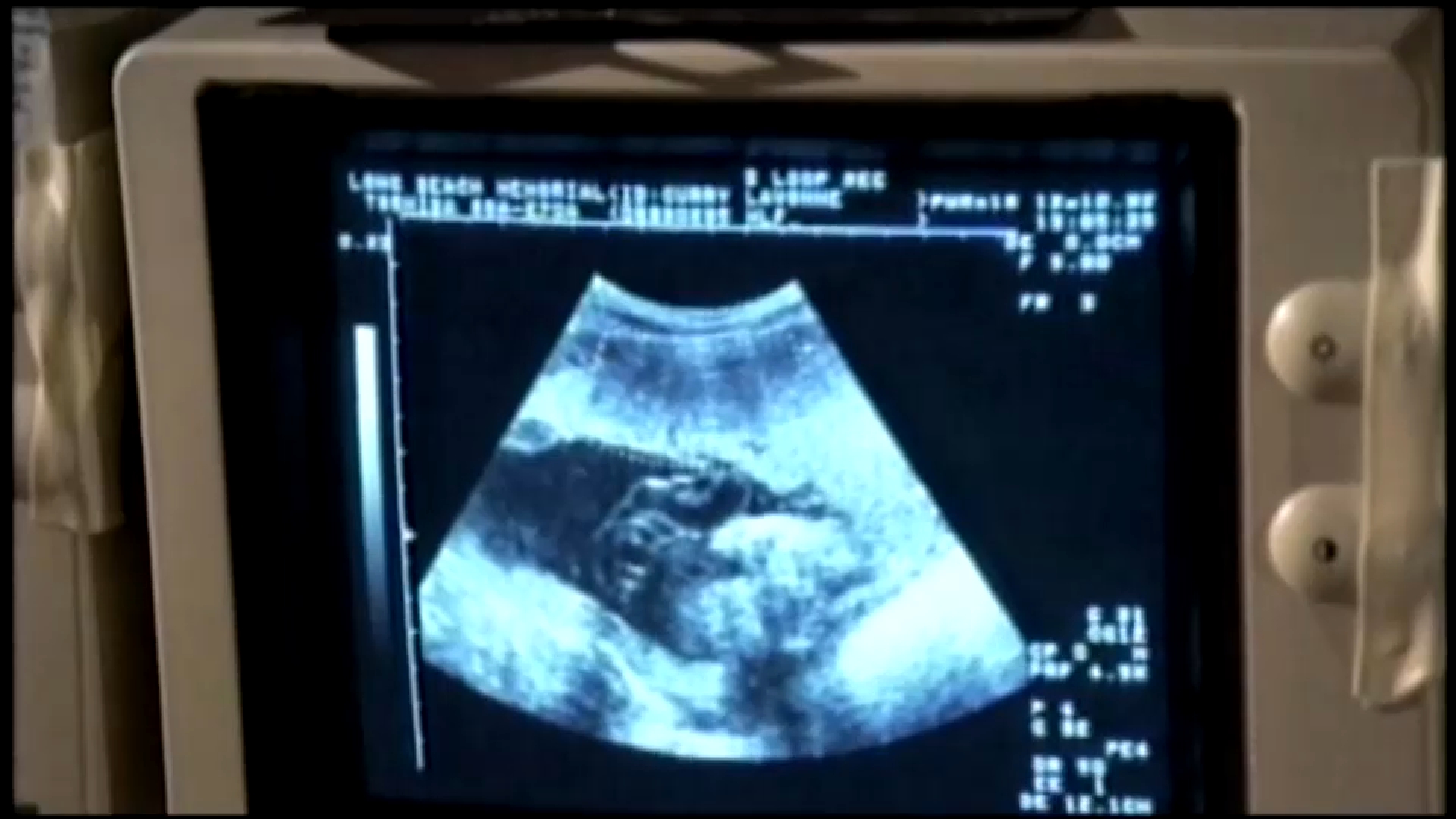
Innovative technology developed at Columbia University aims to enhance doctors’ ability to predict and prevent serious pregnancy complications, particularly preterm birth. This initiative coincides with Pregnancy and Infant Loss Awareness Month, underscoring the urgent need for advancements in maternal health.
The research team, led by Kristin Myers, a Professor of Mechanical Engineering at Columbia, is utilizing advanced tools that simulate various scenarios to assess the health of pregnant patients. “The colors lighting up give me a percentage of stretch so we can ask questions: is this uterus stretching too much?” Myers explained. This technology identifies potential risks, especially concerning the mechanical integrity of the cervix, which can lead to preterm births—defined as deliveries before 37 weeks of gestation.
Through the analysis of patient ultrasounds, the team creates digital twins of patients that allow them to understand better the causes of preterm birth. “One of the biggest problems is just identifying patients who could be at high risk for mechanical failure of their cervix,” Myers noted.
The importance of this research is further highlighted by the personal story of Brittany Crystal, Executive Director and Founder of The Iris Fund. Crystal, who lost her daughter due to prematurity in 2017, is channeling her grief into action. Her organization raises funds to support research initiatives like those at Columbia. She is also participating in this year’s NYC Marathon to raise awareness about preterm birth and its implications for families.
“I think we need to better inform women about their risk factors when they are pregnant,” Crystal emphasized. “Right now, we do a terrible job of that.” Her advocacy aligns with the research team’s goal of developing more precise assessments for at-risk patients, which could ultimately save lives.
As the concept of digital twins continues to develop, experts believe that increased funding for this research could lead to significant breakthroughs in preventing preterm births. “We don’t fully understand why it happens. We understand there are risk factors,” said Dr. Mirella Mourad, Director of the Preterm Birth Prevention Center at Columbia University Irving Medical Center.
The intersection of technology and healthcare at Columbia represents a promising frontier in maternal health, aiming to transform how medical professionals approach pregnancy complications. With ongoing research and advocacy, there is hope for reducing the incidence of preterm births and improving outcomes for mothers and infants alike.












Revolutionary Photonic Ski-Jump Could Miniaturize LiDAR Systems

Couples Detox from Plastics in New Netflix Doc: Can It Boost Fertility?

Aventon Launches Affordable Full-Suspension Electric Mountain Bike

Discover Eight Must-Try Restaurants This Spring Season

UC Irvine Team Unveils Innovative Ion Pump for Water Treatment

One-Third of Americans Trim Daily Expenses for Healthcare Needs

Apple Secures First Oscar in Three Years with F1: The Movie

Fourth Graders Celebrate St. Patrick’s Day with Creative Weather Drawings

Kim Kardashian Dazzles at Vanity Fair Oscars Party 2026

Nostradamus’ 2026 Predictions: Star Death and Dark Events Loom

Breakthroughs and Challenges Await Science in 2026

Electric Moto Influencer Surronster Arrested in Tijuana

OpenAI to Implement Age Verification for ChatGPT by December 2025

Discover the Top 10 Calorie Counting Apps of 2025

Recovering a Suspended TikTok Account: A Step-by-Step Guide

Bella Hadid Shares Health Update After Treatment for Lyme Disease

Backpack Drives Equip Students with Supplies for New School Year

Analysts Project Stronger Growth for Apple’s iPhone 17 Lineup
-
 Science8 months ago
Nostradamus’ 2026 Predictions: Star Death and Dark Events Loom
-
 Science8 months ago
Breakthroughs and Challenges Await Science in 2026
-
 Technology11 months ago
Electric Moto Influencer Surronster Arrested in Tijuana
-
 Technology9 months ago
OpenAI to Implement Age Verification for ChatGPT by December 2025
-
 Technology1 year ago
Discover the Top 10 Calorie Counting Apps of 2025
-
 Technology1 year ago
Recovering a Suspended TikTok Account: A Step-by-Step Guide
-
 Health11 months ago
Bella Hadid Shares Health Update After Treatment for Lyme Disease
-
 Education1 year ago
Backpack Drives Equip Students with Supplies for New School Year
-
 Health11 months ago
Analysts Project Stronger Growth for Apple’s iPhone 17 Lineup
-

 Health12 months ago
Japanese Study Finds Rose Oil Can Increase Brain Gray Matter
-

 Technology8 months ago
Top 10 Penny Stocks to Watch in 2026 for Strong Returns
-

 Science10 months ago
Starship V3 Set for 2026 Launch After Successful Final Test of Version 2