
Science
Birds Extend Daily Concerts by 50 Minutes Due to Light Pollution

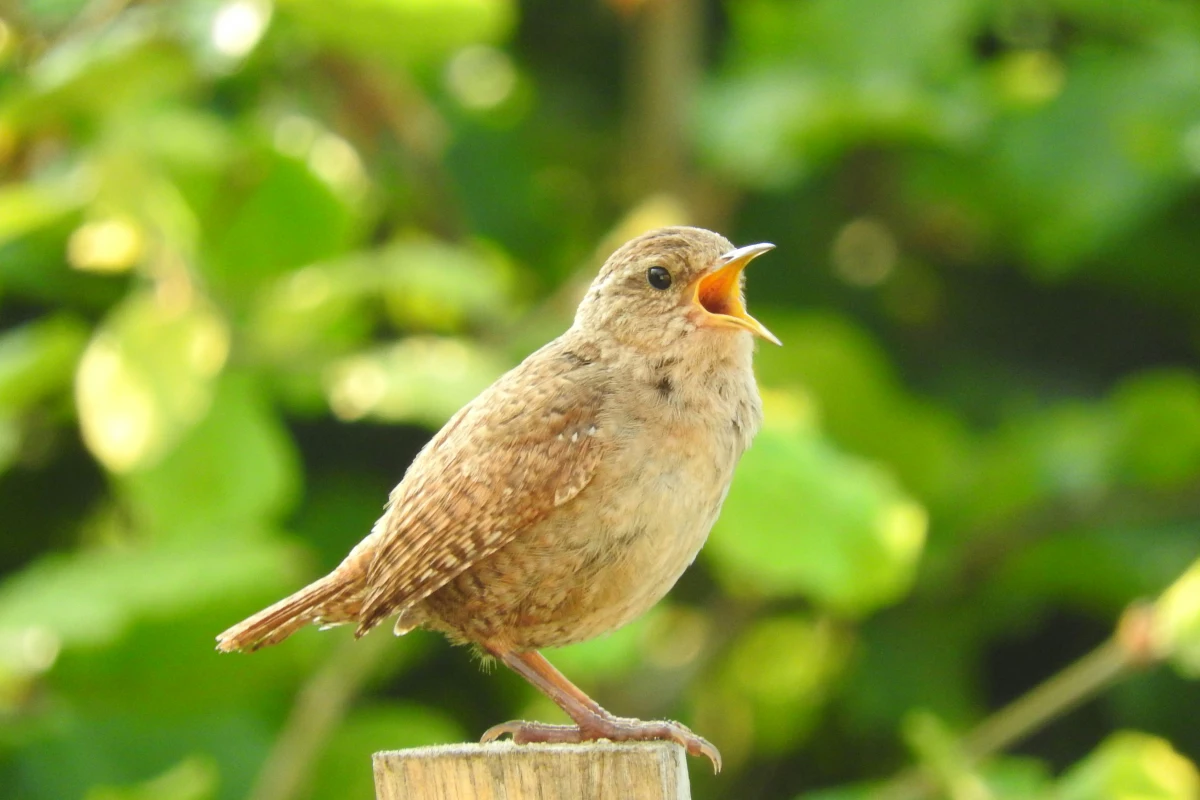
Recent research indicates that birds are singing nearly an hour longer each day, a phenomenon linked to the increasing prevalence of light pollution. Scientists from Southern Illinois University and Oklahoma State University studied millions of hours of bird songs and discovered that urban light exposure significantly affects their singing patterns.
The team analyzed data from the BirdWeather project, a citizen science initiative where volunteers use bioacoustic devices to capture birdsong in their local environments. This project has amassed over 2.6 million instances of morning song initiation and evening cessation. The findings reveal that birds in areas with high levels of artificial light sing approximately 50 minutes longer than those in darker regions. Specifically, birds in the brightest environments start singing around 18 minutes earlier in the morning and continue for 32 minutes longer into the evening.
The study focused on 583 diurnal species, with the researchers noting that birds with larger eyes, open nests, and extensive ranges were most affected by light pollution. Their analysis shows that these changes in singing behavior are particularly pronounced during the breeding season, although the overall impact on bird health remains uncertain.
The authors of the study, published in the journal Science, explain that while prolonged activity may reduce rest time during a critical period, it may not necessarily lead to negative health consequences. They suggest that if birds can rest during the day or adapt their sleeping patterns, the extended singing duration could potentially enhance foraging opportunities or reproductive success.
Light pollution is becoming an increasingly pervasive issue, with estimates suggesting that 80% of life on Earth now resides beneath artificially illuminated skies. This phenomenon, known as skyglow, has far-reaching consequences, including the death of insects attracted to artificial lights, disruption of nocturnal migration patterns in birds, and interference with the reproductive habits of various species, such as sea turtles.
The researchers emphasize the need for increased awareness of how artificial light affects avian behavior. They propose that further global data accumulation could inspire international policy development, similar to efforts addressing climate change. “Restoring the darkness of our nights is a preeminent challenge for 21st-century conservation and demands global cooperation,” the researchers conclude.
This study sheds light on a critical environmental issue and underscores the importance of addressing light pollution to protect wildlife and restore natural ecosystems.





Revolutionary Photonic Ski-Jump Could Miniaturize LiDAR Systems

Couples Detox from Plastics in New Netflix Doc: Can It Boost Fertility?

Aventon Launches Affordable Full-Suspension Electric Mountain Bike

Discover Eight Must-Try Restaurants This Spring Season

UC Irvine Team Unveils Innovative Ion Pump for Water Treatment

One-Third of Americans Trim Daily Expenses for Healthcare Needs

Apple Secures First Oscar in Three Years with F1: The Movie

Fourth Graders Celebrate St. Patrick’s Day with Creative Weather Drawings

Kim Kardashian Dazzles at Vanity Fair Oscars Party 2026

Nostradamus’ 2026 Predictions: Star Death and Dark Events Loom

Breakthroughs and Challenges Await Science in 2026

Electric Moto Influencer Surronster Arrested in Tijuana

OpenAI to Implement Age Verification for ChatGPT by December 2025

Discover the Top 10 Calorie Counting Apps of 2025

Recovering a Suspended TikTok Account: A Step-by-Step Guide

Bella Hadid Shares Health Update After Treatment for Lyme Disease

Backpack Drives Equip Students with Supplies for New School Year

Analysts Project Stronger Growth for Apple’s iPhone 17 Lineup
-
 Science8 months ago
Nostradamus’ 2026 Predictions: Star Death and Dark Events Loom
-
 Science8 months ago
Breakthroughs and Challenges Await Science in 2026
-
 Technology11 months ago
Electric Moto Influencer Surronster Arrested in Tijuana
-
 Technology9 months ago
OpenAI to Implement Age Verification for ChatGPT by December 2025
-
 Technology1 year ago
Discover the Top 10 Calorie Counting Apps of 2025
-
 Technology1 year ago
Recovering a Suspended TikTok Account: A Step-by-Step Guide
-
 Health11 months ago
Bella Hadid Shares Health Update After Treatment for Lyme Disease
-
 Education1 year ago
Backpack Drives Equip Students with Supplies for New School Year
-
 Health12 months ago
Analysts Project Stronger Growth for Apple’s iPhone 17 Lineup
-

 Health12 months ago
Japanese Study Finds Rose Oil Can Increase Brain Gray Matter
-

 Technology8 months ago
Top 10 Penny Stocks to Watch in 2026 for Strong Returns
-

 Science10 months ago
Starship V3 Set for 2026 Launch After Successful Final Test of Version 2