
Science
Atomic-6 Unveils Space Armor to Combat Satellite Debris Threats

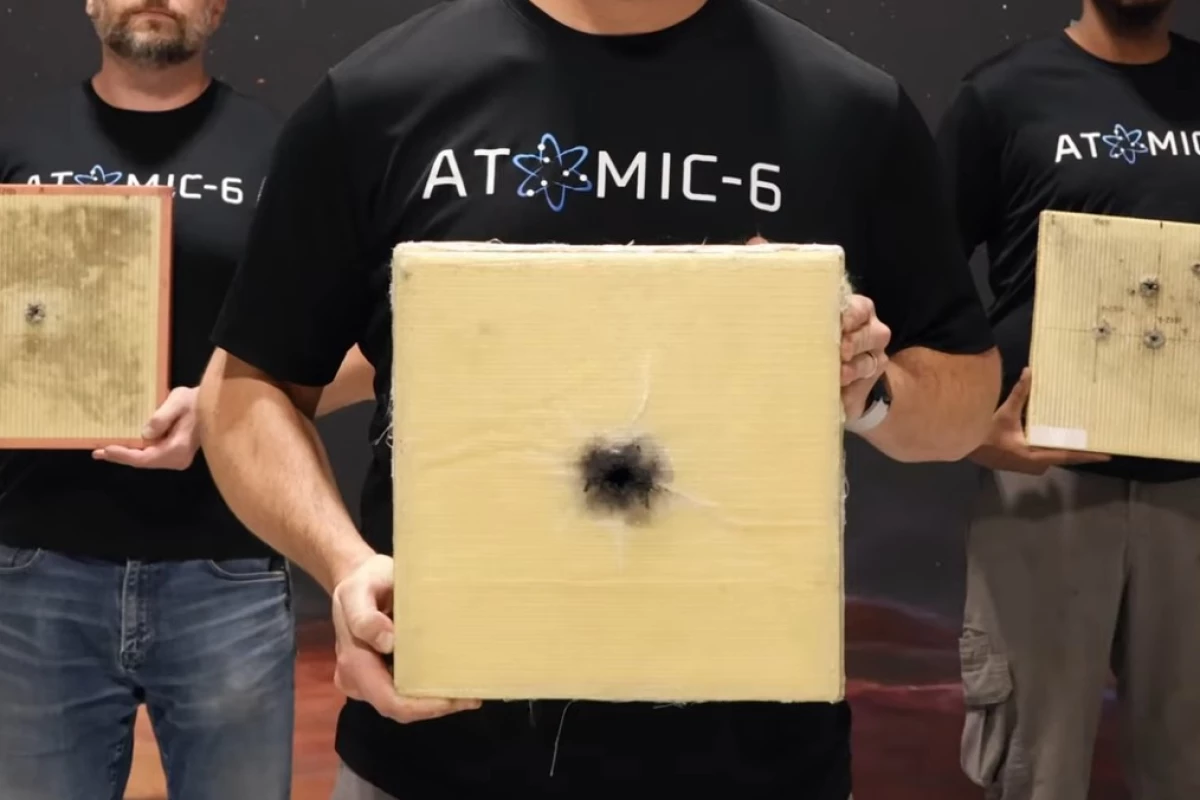
The increasing threat of hypersonic space debris has prompted Atomic-6 to introduce its innovative Space Armor tiles, designed to enhance the protection of satellites in orbit. Currently, there are over 130 million pieces of debris circling the Earth, a situation that poses significant risks to spacecraft as even tiny fragments can cause catastrophic damage when traveling at high speeds.
As satellites collide and break apart, the proliferation of debris has sparked a global effort to address this growing concern. Strategies include improving tracking systems, enhancing spacecraft designs, and ensuring proper decommissioning of defunct satellites. Another solution is the development of protective armor, traditionally aimed at defending against micrometeorites but increasingly recognized for its role in mitigating damage from space debris.
Advancements in Space Armor Technology
The most widely used armor to date is the Whipple Shield, conceptualized by astronomer Fred Whipple in the 1940s. This design, utilized in historic missions like the Apollo program, comprises layers of aluminum sheeting separated by foam polymer, allowing energy from impacts to dissipate before reaching the satellite’s hull. While effective, the Whipple Shield is complex, heavy, and can produce additional debris upon impact, undermining its protective purpose.
Atomic-6 claims to have developed a superior alternative with its Space Armor product. After an 18-month development period, the new armor features tiles made from a proprietary polymer blend, details of which remain undisclosed. These self-adhesive tiles measure one foot by one foot (30 cm by 30 cm) and one inch (2.5 cm) thick, with custom options available up to 3.3 feet by 3.3 feet (1 m by 1 m). Space Armor is engineered to withstand impacts exceeding 4.35 miles per second (7 km/s) while generating significantly less debris.
The new armor comes in various configurations, including a lighter version that protects against debris up to 3 mm in diameter and a heavier variant for larger fragments up to 12.5 mm. Notably, Space Armor is radio transparent, unlike the Whipple Shield, which acts as a Faraday cage, blocking radio signals. This unique property allows Space Armor to be utilized in radomes and other structures that protect communication systems.
Industry Impact and Future Prospects
“This is a big deal. We made the first radomes that can stop orbital debris,” stated Trevor Smith, CEO of Atomic-6. He emphasized the importance of this innovation: “You don’t have to sacrifice communications to protect your spacecraft anymore. This little composite tile preserves mission-critical functions, thereby protecting spacecraft, space stations, and people in orbit from increasingly prevalent, yet invisible threats.”
As geopolitical tensions rise and the risks of both intentional attacks and accidental collisions increase, the need for robust protective measures in space has become essential. The introduction of Space Armor could represent a significant advancement in safeguarding the integrity of vital space operations and ensuring the safety of astronauts.
In conclusion, Atomic-6’s Space Armor offers a promising solution to the pressing issue of space debris, combining effective protection with enhanced communication capabilities. As the space industry continues to evolve, innovations like this will play a crucial role in addressing the challenges posed by the ever-growing clutter in Earth’s orbit.









Revolutionary Photonic Ski-Jump Could Miniaturize LiDAR Systems

Couples Detox from Plastics in New Netflix Doc: Can It Boost Fertility?

Aventon Launches Affordable Full-Suspension Electric Mountain Bike

Discover Eight Must-Try Restaurants This Spring Season

UC Irvine Team Unveils Innovative Ion Pump for Water Treatment

One-Third of Americans Trim Daily Expenses for Healthcare Needs

Apple Secures First Oscar in Three Years with F1: The Movie

Fourth Graders Celebrate St. Patrick’s Day with Creative Weather Drawings

Kim Kardashian Dazzles at Vanity Fair Oscars Party 2026

Nostradamus’ 2026 Predictions: Star Death and Dark Events Loom

Breakthroughs and Challenges Await Science in 2026

Electric Moto Influencer Surronster Arrested in Tijuana

OpenAI to Implement Age Verification for ChatGPT by December 2025

Discover the Top 10 Calorie Counting Apps of 2025

Recovering a Suspended TikTok Account: A Step-by-Step Guide

Bella Hadid Shares Health Update After Treatment for Lyme Disease

Backpack Drives Equip Students with Supplies for New School Year

Analysts Project Stronger Growth for Apple’s iPhone 17 Lineup
-
 Science8 months ago
Nostradamus’ 2026 Predictions: Star Death and Dark Events Loom
-
 Science8 months ago
Breakthroughs and Challenges Await Science in 2026
-
 Technology11 months ago
Electric Moto Influencer Surronster Arrested in Tijuana
-
 Technology9 months ago
OpenAI to Implement Age Verification for ChatGPT by December 2025
-
 Technology1 year ago
Discover the Top 10 Calorie Counting Apps of 2025
-
 Technology1 year ago
Recovering a Suspended TikTok Account: A Step-by-Step Guide
-
 Health11 months ago
Bella Hadid Shares Health Update After Treatment for Lyme Disease
-
 Education1 year ago
Backpack Drives Equip Students with Supplies for New School Year
-
 Health11 months ago
Analysts Project Stronger Growth for Apple’s iPhone 17 Lineup
-

 Health12 months ago
Japanese Study Finds Rose Oil Can Increase Brain Gray Matter
-

 Technology8 months ago
Top 10 Penny Stocks to Watch in 2026 for Strong Returns
-

 Science10 months ago
Starship V3 Set for 2026 Launch After Successful Final Test of Version 2