
Science
AI Partnership Aims to Halve Nuclear Reactor Costs and Build Times

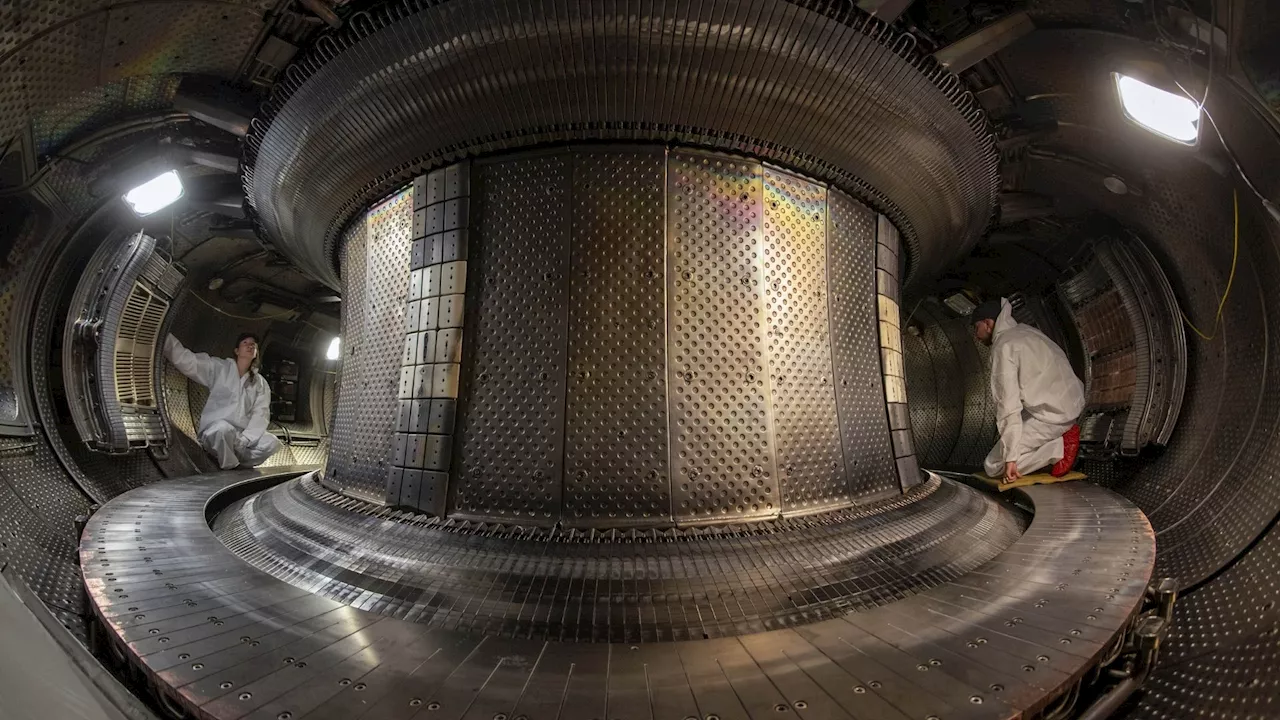
The Idaho National Laboratory (INL) and NVIDIA have announced a partnership that aims to significantly reduce both the costs and construction times associated with advanced nuclear reactors in the United States. This collaboration is part of the Department of Energy’s Genesis Mission, which is focused on accelerating the deployment of nuclear energy through innovative scientific computing.
As part of this initiative, known as Prometheus, the partnership seeks to cut reactor development timelines by 50 percent and operational costs by more than 50 percent. The goal is to leverage artificial intelligence (AI) alongside supercomputing to enhance the design, licensing, manufacturing, and operational processes for nuclear reactors.
Transforming Nuclear Energy Deployment
The Prometheus initiative aims to address the pressing demands for nuclear energy in a rapidly changing energy landscape, particularly in light of increasing electricity consumption driven by AI infrastructure. The collaboration intends to create a synergistic relationship between AI-powered nuclear design and nuclear-powered data centers, effectively fostering a cycle of mutual support between the two technologies.
At the heart of this effort is the application of generative AI models, digital twins, and agent-based workflows. These technologies will simulate and validate reactor systems before any physical construction begins. By utilizing decades of legacy nuclear data and experimental reactor operations at INL, the digital twins will enable more efficient modeling and quicker decision-making processes.
John Wagner, director of INL, emphasized the transformative potential of this partnership, stating, “This partnership represents a transformative approach to one of our nation’s greatest challenges for deploying abundant, reliable nuclear energy at the speed and scale required for our AI-driven future.”
NVIDIA will provide its advanced AI infrastructure and GPU-accelerated computing platforms to support the initiative. The collaboration also includes the acceleration of nuclear simulation codes, such as MOOSE, BISON, Griffin, and Pronghorn, on NVIDIA GPU architectures, which will help expand modeling capabilities and reduce computation times.
Utilizing Supercomputers for Enhanced Capabilities
The success of Prometheus will rely heavily on the Department of Energy’s leadership-class supercomputers, which will facilitate large-scale AI model training and reactor simulations. INL’s facilities, including the Neutron Radiography Reactor and the Microreactor Applications Research Validation and Evaluation project, will provide essential real-world validation data for the digital twin models.
The initiative aims to support regulatory modernization and promote the adoption of AI-driven nuclear tools across the industry. Future expansions may involve reactor developers, utilities, investors, and additional national laboratories.
Rian Bahran, Deputy Assistant Secretary of Energy for Nuclear Reactors, remarked on the broader implications of this partnership. “This is the moment to decisively advance AI-accelerated nuclear energy deployment, increasing America’s energy affordability while also catalyzing the development of artificial intelligence in the United States,” he stated. Bahran highlighted that this public-private partnership represents a targeted approach to AI acceleration, which has the potential to fundamentally transform how nuclear energy is deployed and how research and discovery are advanced.
This ambitious collaboration between INL and NVIDIA reflects a significant step towards making nuclear energy a more efficient and cost-effective option in the global energy landscape. With the increasing urgency to address energy demands and climate challenges, the integration of AI and advanced technologies in nuclear energy stands to play a crucial role in shaping the future of energy production.












Revolutionary Photonic Ski-Jump Could Miniaturize LiDAR Systems

Couples Detox from Plastics in New Netflix Doc: Can It Boost Fertility?

Aventon Launches Affordable Full-Suspension Electric Mountain Bike

Discover Eight Must-Try Restaurants This Spring Season

UC Irvine Team Unveils Innovative Ion Pump for Water Treatment

One-Third of Americans Trim Daily Expenses for Healthcare Needs

Apple Secures First Oscar in Three Years with F1: The Movie

Fourth Graders Celebrate St. Patrick’s Day with Creative Weather Drawings

Kim Kardashian Dazzles at Vanity Fair Oscars Party 2026

Nostradamus’ 2026 Predictions: Star Death and Dark Events Loom

Breakthroughs and Challenges Await Science in 2026

Electric Moto Influencer Surronster Arrested in Tijuana

OpenAI to Implement Age Verification for ChatGPT by December 2025

Discover the Top 10 Calorie Counting Apps of 2025

Bella Hadid Shares Health Update After Treatment for Lyme Disease

Analysts Project Stronger Growth for Apple’s iPhone 17 Lineup

Japanese Study Finds Rose Oil Can Increase Brain Gray Matter

Top 10 Penny Stocks to Watch in 2026 for Strong Returns
-
 Science3 months ago
Nostradamus’ 2026 Predictions: Star Death and Dark Events Loom
-
 Science3 months ago
Breakthroughs and Challenges Await Science in 2026
-
 Technology7 months ago
Electric Moto Influencer Surronster Arrested in Tijuana
-
 Technology4 months ago
OpenAI to Implement Age Verification for ChatGPT by December 2025
-
 Technology9 months ago
Discover the Top 10 Calorie Counting Apps of 2025
-
 Health7 months ago
Bella Hadid Shares Health Update After Treatment for Lyme Disease
-
 Health7 months ago
Analysts Project Stronger Growth for Apple’s iPhone 17 Lineup
-
 Health7 months ago
Japanese Study Finds Rose Oil Can Increase Brain Gray Matter
-
 Technology4 months ago
Top 10 Penny Stocks to Watch in 2026 for Strong Returns
-

 Science6 months ago
Starship V3 Set for 2026 Launch After Successful Final Test of Version 2
-

 Technology1 month ago
Nvidia GTC 2026: Major Announcements Expected for AI and Hardware
-

 Education7 months ago
Harvard Secures Court Victory Over Federal Funding Cuts