
Science
Advancements in Small-Scale Bioreactors Revolutionize Bioprocessing

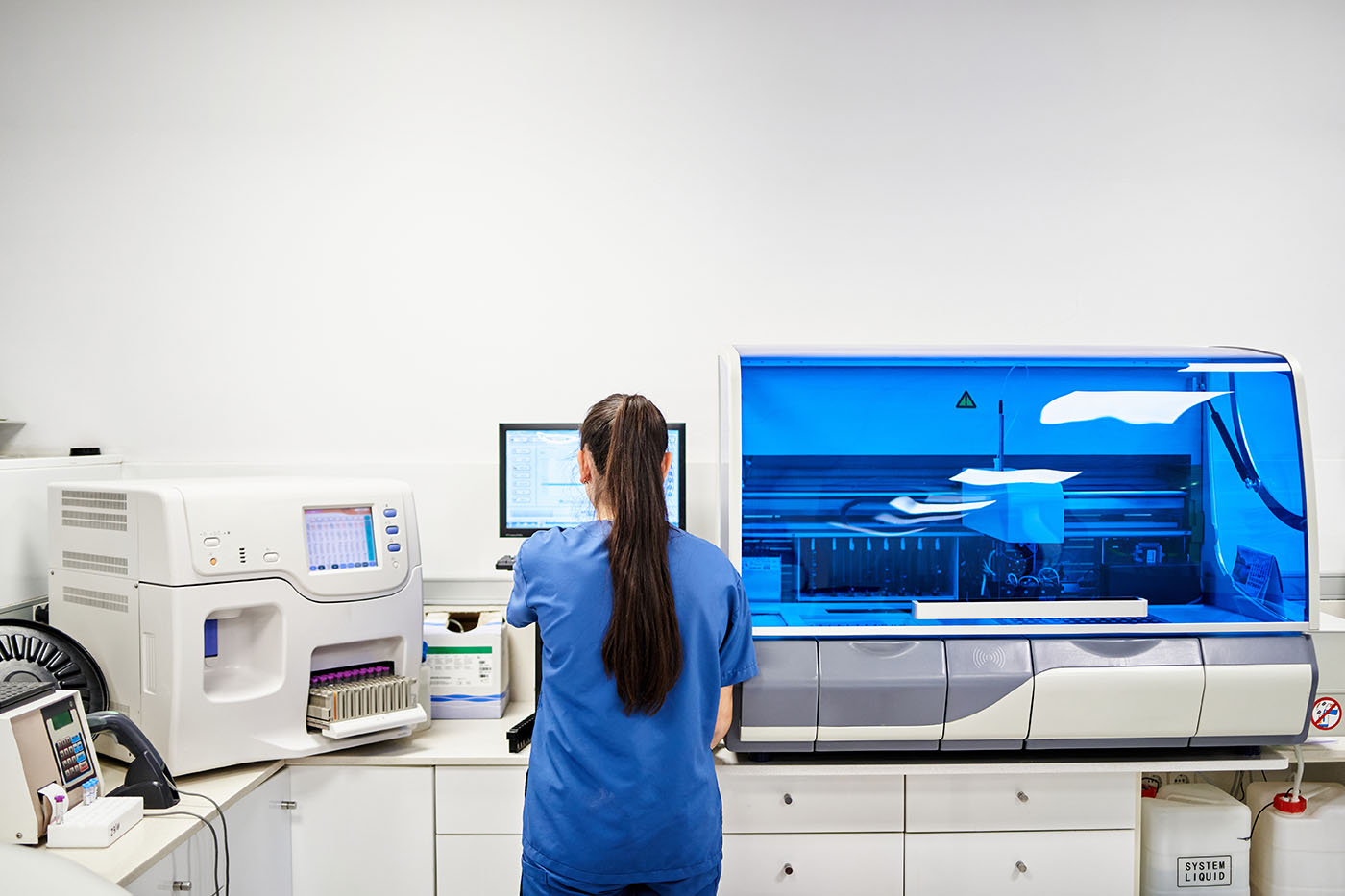
The development of small-scale bioreactors is transforming the bioprocessing landscape, enhancing capabilities across various sectors, including pharmaceuticals and biotechnology. These advanced systems, which differ from traditional bioreactors in size and function, are designed to offer precise control and automation, fostering innovations in cell culture, fermentation, and personalized medicine.
Bioreactors, essential for cultivating cells, have evolved significantly from their humble beginnings. Today, they range from clay pot fermenters to sophisticated systems that incorporate features like temperature control, mixing techniques, and automated process monitoring. This evolution reflects the diverse requirements of different industries, such as agriculture, biotechnology, and pharmaceuticals.
Innovative Designs for Enhanced Performance
Modern small-scale bioreactors, such as the DASBox from Eppendorf, are engineered to provide high-performance measurement and control functions within a compact footprint. The DASBox system, which operates with working volumes of 60-250 mL, supports various applications, including 2D and 3D cell cultures, microbial fermentation, and monoclonal antibody production. According to Simon Wieninger, head of portfolio and applications at Eppendorf, this versatility allows researchers to conduct experiments tailored to specific needs, enhancing the development of personalized therapies.
Similarly, the BioLector XT microbioreactor from Beckman Coulter Life Sciences employs a plate-based approach to facilitate high-throughput fermentation processes. This system is particularly beneficial for anaerobic cultivation, an area that posed challenges for earlier models. Sebastian Blum, marketing development manager at Beckman Coulter Life Sciences, highlights the BioLector XT’s ability to maintain strict anaerobic conditions while allowing for precise measurement of biomass using scattered light technology.
The introduction of miniaturized bioreactors has streamlined processes in bioprocessing by enabling parallel experimentation. Systems can now run up to 24 different conditions simultaneously, which is crucial for early-stage process development and optimization. This parallelization not only improves efficiency but also reduces the risks associated with large-scale production by allowing for early identification of optimal conditions.
Driving Personalized Medicine Forward
The potential of small-scale bioreactors extends into the realm of personalized medicine. The modular design of the DASBox enables customization for patient-specific cell lines and individualized treatment protocols. Sharon Harvey, director of product management at PBS Biotech, emphasizes that the MiniPRO system allows for independently controlled cultures, making it possible to evaluate engineered variants or tailored media strategies side by side. This capability is essential for defining process windows for various genotypes and understanding patient variability early in treatment design.
Research into microbiomes is also benefiting from these advancements. As highlighted by Maria Savino, global segment development manager at Beckman Coulter Life Sciences, high-throughput microfermentation can maintain the complexity of microbiomes within a single well, facilitating studies on their impact on cancer prognosis and treatments. The intricate relationship between gut microbiomes and individual health suggests promising avenues for enhancing patient care, particularly in cancer therapies.
As the demand for more efficient and personalized bioprocessing solutions continues to grow, developers of small-scale bioreactors remain focused on innovation. They are exploring new automation technologies, enhancing throughput capabilities, and integrating advanced sensors to meet evolving biological research needs. The incorporation of artificial intelligence for automated decision-making is anticipated to further streamline development and manufacturing processes.
In conclusion, the advancements in small-scale bioreactors mark a significant leap forward in bioprocessing technology. These systems not only enhance research capabilities but also play a crucial role in the future of personalized medicine, enabling more precise and effective treatments in an increasingly complex healthcare landscape.

Revolutionary Photonic Ski-Jump Could Miniaturize LiDAR Systems

Couples Detox from Plastics in New Netflix Doc: Can It Boost Fertility?

Aventon Launches Affordable Full-Suspension Electric Mountain Bike

Discover Eight Must-Try Restaurants This Spring Season

UC Irvine Team Unveils Innovative Ion Pump for Water Treatment

One-Third of Americans Trim Daily Expenses for Healthcare Needs

Apple Secures First Oscar in Three Years with F1: The Movie

Fourth Graders Celebrate St. Patrick’s Day with Creative Weather Drawings

Kim Kardashian Dazzles at Vanity Fair Oscars Party 2026

Nostradamus’ 2026 Predictions: Star Death and Dark Events Loom

Breakthroughs and Challenges Await Science in 2026

Electric Moto Influencer Surronster Arrested in Tijuana

OpenAI to Implement Age Verification for ChatGPT by December 2025

Discover the Top 10 Calorie Counting Apps of 2025

Recovering a Suspended TikTok Account: A Step-by-Step Guide

Bella Hadid Shares Health Update After Treatment for Lyme Disease

Backpack Drives Equip Students with Supplies for New School Year

Analysts Project Stronger Growth for Apple’s iPhone 17 Lineup
-
 Science8 months ago
Nostradamus’ 2026 Predictions: Star Death and Dark Events Loom
-
 Science8 months ago
Breakthroughs and Challenges Await Science in 2026
-
 Technology11 months ago
Electric Moto Influencer Surronster Arrested in Tijuana
-
 Technology9 months ago
OpenAI to Implement Age Verification for ChatGPT by December 2025
-
 Technology1 year ago
Discover the Top 10 Calorie Counting Apps of 2025
-
 Technology1 year ago
Recovering a Suspended TikTok Account: A Step-by-Step Guide
-
 Health11 months ago
Bella Hadid Shares Health Update After Treatment for Lyme Disease
-
 Education1 year ago
Backpack Drives Equip Students with Supplies for New School Year
-
 Health12 months ago
Analysts Project Stronger Growth for Apple’s iPhone 17 Lineup
-

 Health12 months ago
Japanese Study Finds Rose Oil Can Increase Brain Gray Matter
-

 Technology8 months ago
Top 10 Penny Stocks to Watch in 2026 for Strong Returns
-

 Science10 months ago
Starship V3 Set for 2026 Launch After Successful Final Test of Version 2