
Lifestyle
Trump Administration’s Approach Sparks Debate on Diversity and Inclusion

The debate surrounding diversity, equity, and inclusion (DEI) in the United States has intensified following actions taken by the administration of former President Donald Trump. Critics argue that the Trump administration’s policies aimed at diminishing DEI initiatives threaten the nation’s historical narrative and cultural institutions, including libraries and museums.
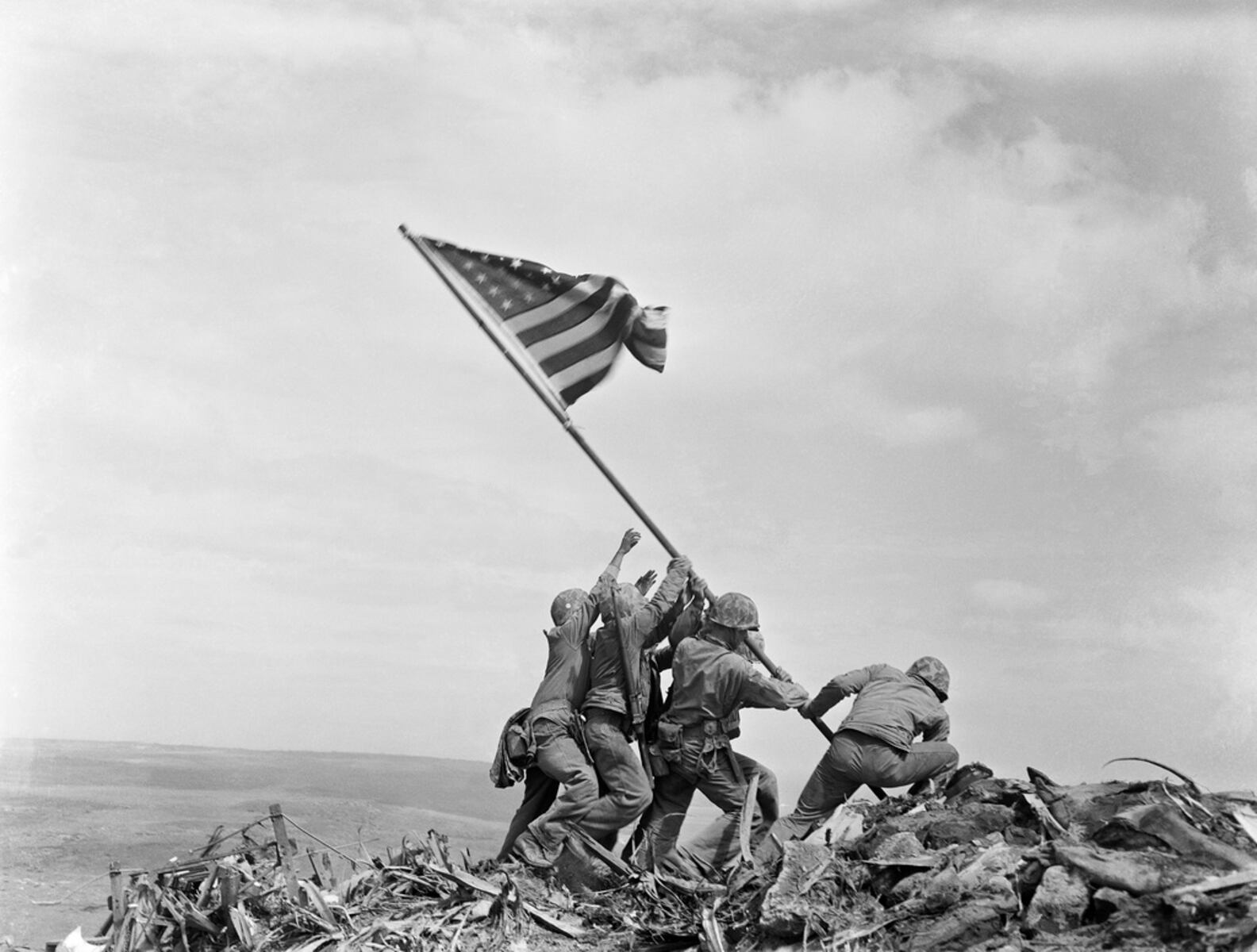
Recent incidents highlight this tension. Notably, the legacy of baseball legend and World War II veteran Jackie Robinson, who served as a tank lieutenant, was “mistakenly” removed from the United States Department of Defense’s website before being quickly restored. Similarly, the contributions of Ira Hayes, a Native American soldier known for raising the flag at Iwo Jima, and the Navajo code talkers, who used their language to create an unbreakable code during World War II, were also temporarily omitted from official records. This pattern raises questions about the administration’s commitment to acknowledging the diverse contributions of all Americans.
The former president has publicly denounced DEI as detrimental to the nation, arguing that it fosters division rather than unity. Yet many voices, including those from various backgrounds, assert that diversity is integral to the American identity. The Statue of Liberty stands as a symbol of hope, inviting “the tired, the poor, the huddled masses yearning to breathe free.” This historical beacon emphasizes the values of inclusion and acceptance that have shaped the country.
Critics of the administration’s stance argue that the ideals of equity and inclusion are foundational to American democracy. The Declaration of Independence asserts that “all men are created equal,” reinforcing the belief that equity is a guiding principle for society. The removal of significant historical figures and events from public discourse, they contend, undermines these core values.
John Dirina, a resident of Columbus, voiced strong opposition to the administration’s approach in a recent letter to the editor. He emphasized that there is nothing inherently negative about the principles of diversity, equity, and inclusion. Instead, he contended, the detrimental aspect lies in any administration that seeks to suppress these ideals.
As this discourse continues, the impact of these policies on cultural recognition and historical education remains a focal point of concern. Advocates for DEI stress the importance of honoring the contributions of all Americans, irrespective of their background.
In conclusion, the ongoing discussions about diversity, equity, and inclusion in the United States reflect broader societal values and the ongoing struggle to reconcile a diverse heritage with current political narratives. The actions taken by the Trump administration have ignited a significant conversation about how the nation remembers and honors its multifaceted history.













Revolutionary Photonic Ski-Jump Could Miniaturize LiDAR Systems

Couples Detox from Plastics in New Netflix Doc: Can It Boost Fertility?

Aventon Launches Affordable Full-Suspension Electric Mountain Bike

Discover Eight Must-Try Restaurants This Spring Season

UC Irvine Team Unveils Innovative Ion Pump for Water Treatment

One-Third of Americans Trim Daily Expenses for Healthcare Needs

Apple Secures First Oscar in Three Years with F1: The Movie

Fourth Graders Celebrate St. Patrick’s Day with Creative Weather Drawings

Kim Kardashian Dazzles at Vanity Fair Oscars Party 2026

Nostradamus’ 2026 Predictions: Star Death and Dark Events Loom

Breakthroughs and Challenges Await Science in 2026

Electric Moto Influencer Surronster Arrested in Tijuana

OpenAI to Implement Age Verification for ChatGPT by December 2025

Discover the Top 10 Calorie Counting Apps of 2025

Recovering a Suspended TikTok Account: A Step-by-Step Guide

Bella Hadid Shares Health Update After Treatment for Lyme Disease

Backpack Drives Equip Students with Supplies for New School Year

Analysts Project Stronger Growth for Apple’s iPhone 17 Lineup
-
 Science8 months ago
Nostradamus’ 2026 Predictions: Star Death and Dark Events Loom
-
 Science8 months ago
Breakthroughs and Challenges Await Science in 2026
-
 Technology11 months ago
Electric Moto Influencer Surronster Arrested in Tijuana
-
 Technology9 months ago
OpenAI to Implement Age Verification for ChatGPT by December 2025
-
 Technology1 year ago
Discover the Top 10 Calorie Counting Apps of 2025
-
 Technology1 year ago
Recovering a Suspended TikTok Account: A Step-by-Step Guide
-
 Health11 months ago
Bella Hadid Shares Health Update After Treatment for Lyme Disease
-
 Education1 year ago
Backpack Drives Equip Students with Supplies for New School Year
-
 Health12 months ago
Analysts Project Stronger Growth for Apple’s iPhone 17 Lineup
-

 Health12 months ago
Japanese Study Finds Rose Oil Can Increase Brain Gray Matter
-

 Technology8 months ago
Top 10 Penny Stocks to Watch in 2026 for Strong Returns
-

 Science10 months ago
Starship V3 Set for 2026 Launch After Successful Final Test of Version 2