
Lifestyle
How a $10 ESP32 Board Transformed My Smart Home Experience

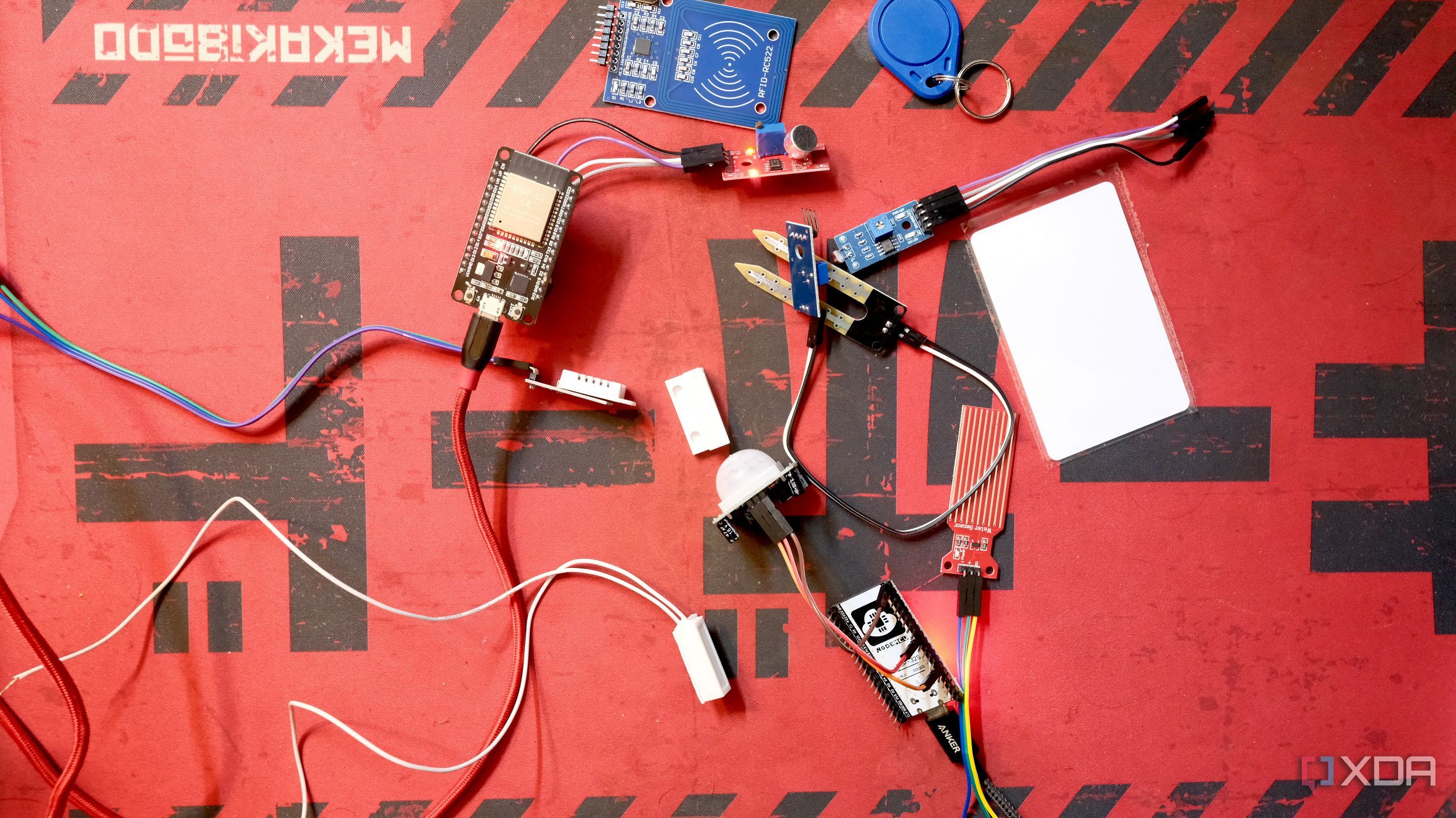
A simple, low-cost device has revolutionized the way one smart home operates. The **$10 ESP32 board** has become a vital component for enhancing connectivity and reliability in home automation systems. Originally facing frustrations with smart devices that frequently malfunctioned and automations that failed to trigger, the homeowner discovered the potential of the ESP32, which has now fundamentally changed their approach to smart technology.
From Frustration to Innovation
Initially investing in high-end smart speakers like the **Apple HomePod** and **Amazon Echo Plus**, the homeowner aimed to control devices such as **Philips Hue** smart bulbs and various smart plugs. However, these devices struggled to communicate effectively, particularly with older technology. The turning point came when a colleague from **XDA** introduced the ESP32 microcontroller, a highly versatile and affordable solution for building a smart home ecosystem.
The ESP32’s features, including built-in Wi-Fi and Bluetooth support, allow for seamless wireless control over a variety of devices, such as temperature sensors. The homeowner appreciated the ability to create custom automations and devices tailored to their needs, moving away from proprietary systems that lacked flexibility. Compared to other options like **Arduino** and **Raspberry Pi**, the ESP32 is not only power-efficient but also provides a comprehensive package for connectivity.
Building a Custom Smart Home
Transitioning to a more personalized smart home setup proved liberating. Using basic programming knowledge, the homeowner engaged in several rounds of trial and error to harness the full potential of the ESP32. The cost-effectiveness of the board became evident, as commercial sensors were found to be nearly three times more expensive than their DIY counterparts. Starting with the **ESP32-DevKitC** and **ESP32-H2**, the homeowner overcame initial challenges related to soldering and wiring by utilizing **DuPont jumper cables** for ease of connection.
The integration of sensors for temperature, humidity, and motion detection significantly expanded the smart home’s capabilities beyond what traditional hubs could offer. Employing a **breadboard** also simplified testing and reduced potential wiring errors, proving invaluable for the development process.
The ESP32’s dual functionality as a bridge for both Wi-Fi and Bluetooth networks has addressed connectivity issues, particularly with devices that fall outside of the Wi-Fi range. After installing the **ESPHome firmware**, the homeowner seamlessly integrated the ESP32 into their **Home Assistant** setup. This allowed for the creation of projects such as a voice satellite that operates with a local **Large Language Model** (LLM) and a Bluetooth proxy to connect various Bluetooth Low Energy devices to the Wi-Fi network.
The integration process benefited from the straightforward YAML-based firmware configuration, enabling enhancements such as adding delays to motion sensors for improved detection accuracy. This responsiveness has been crucial in ensuring that automations trigger precisely when needed, even in areas with weaker Wi-Fi signals.
The ESP32 also supports **Thread** and **Matter** protocols, expanding the smart home’s capabilities further. The homeowner has integrated a **Sonoff Zigbee USB Dongle-E** to manage Zigbee devices, and they are exploring the potential for the ESP32 to bridge these devices to the Matter ecosystem. This compatibility opens up new avenues for enhancing reliability and functionality across the network.
The combination of ESP32 devices and the multi-protocol support of Home Assistant has allowed for the creation of custom automations that include older devices. For instance, smart lights can now gradually increase in brightness as sunset approaches, with motion sensors determining whether someone is present in the room before activating the lights.
The adaptability and functionality of the ESP32 have made it an essential tool for anyone looking to create a smarter home environment. The homeowner’s experience reflects a growing trend among tech enthusiasts who are seeking low-cost, highly customizable solutions for home automation, marking a significant shift away from reliance on major tech companies.


Revolutionary Photonic Ski-Jump Could Miniaturize LiDAR Systems

Couples Detox from Plastics in New Netflix Doc: Can It Boost Fertility?

Aventon Launches Affordable Full-Suspension Electric Mountain Bike

Discover Eight Must-Try Restaurants This Spring Season

UC Irvine Team Unveils Innovative Ion Pump for Water Treatment

One-Third of Americans Trim Daily Expenses for Healthcare Needs

Apple Secures First Oscar in Three Years with F1: The Movie

Fourth Graders Celebrate St. Patrick’s Day with Creative Weather Drawings

Kim Kardashian Dazzles at Vanity Fair Oscars Party 2026

Nostradamus’ 2026 Predictions: Star Death and Dark Events Loom

Breakthroughs and Challenges Await Science in 2026

Electric Moto Influencer Surronster Arrested in Tijuana

OpenAI to Implement Age Verification for ChatGPT by December 2025

Discover the Top 10 Calorie Counting Apps of 2025

Recovering a Suspended TikTok Account: A Step-by-Step Guide

Bella Hadid Shares Health Update After Treatment for Lyme Disease

Backpack Drives Equip Students with Supplies for New School Year

Analysts Project Stronger Growth for Apple’s iPhone 17 Lineup
-
 Science8 months ago
Nostradamus’ 2026 Predictions: Star Death and Dark Events Loom
-
 Science8 months ago
Breakthroughs and Challenges Await Science in 2026
-
 Technology11 months ago
Electric Moto Influencer Surronster Arrested in Tijuana
-
 Technology9 months ago
OpenAI to Implement Age Verification for ChatGPT by December 2025
-
 Technology1 year ago
Discover the Top 10 Calorie Counting Apps of 2025
-
 Technology1 year ago
Recovering a Suspended TikTok Account: A Step-by-Step Guide
-
 Health11 months ago
Bella Hadid Shares Health Update After Treatment for Lyme Disease
-
 Education1 year ago
Backpack Drives Equip Students with Supplies for New School Year
-
 Health12 months ago
Analysts Project Stronger Growth for Apple’s iPhone 17 Lineup
-

 Health12 months ago
Japanese Study Finds Rose Oil Can Increase Brain Gray Matter
-

 Technology8 months ago
Top 10 Penny Stocks to Watch in 2026 for Strong Returns
-

 Science10 months ago
Starship V3 Set for 2026 Launch After Successful Final Test of Version 2