
Health
Women’s Health Expert Challenges Testosterone Claims on Social Media

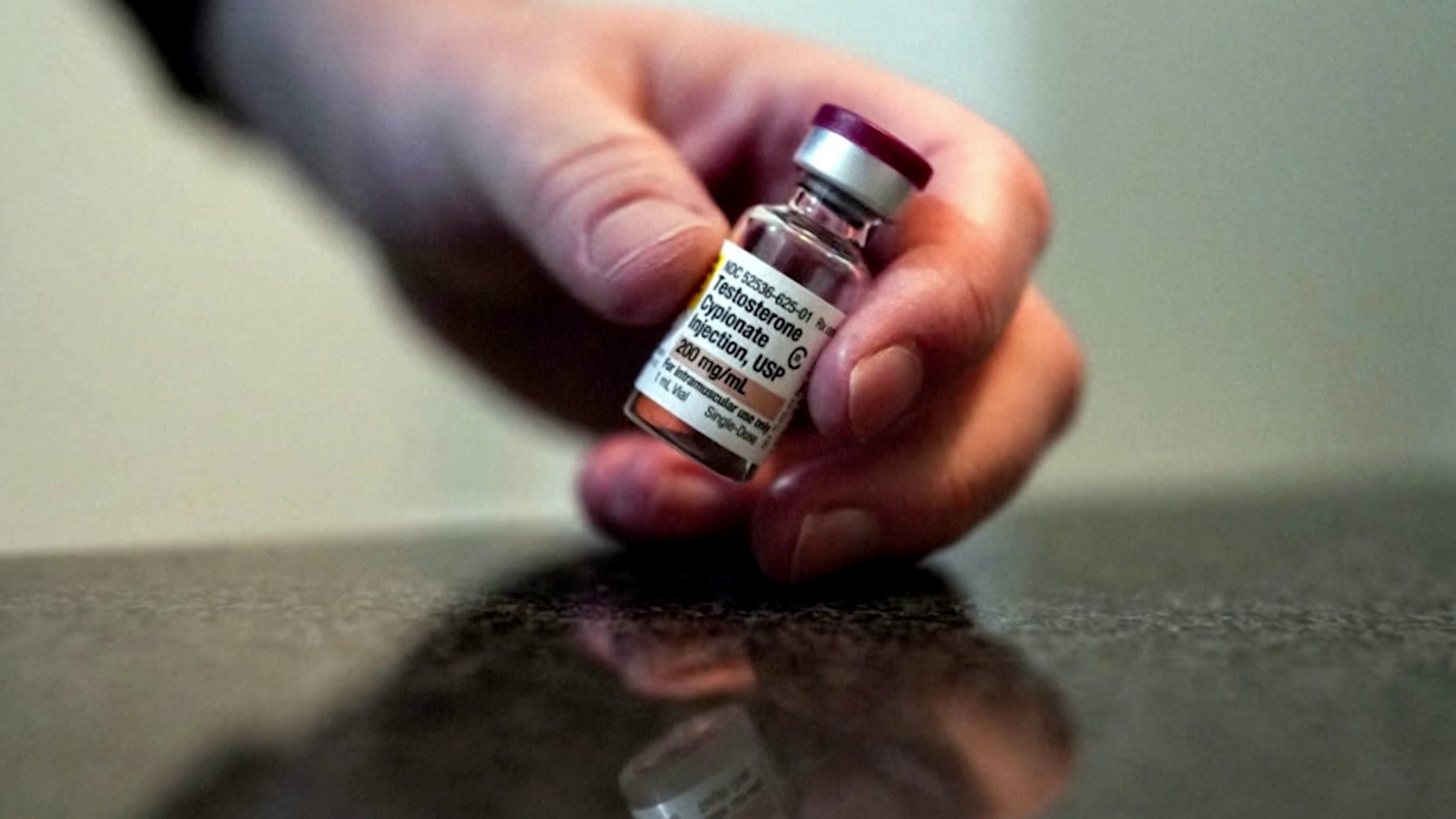
Claims about the benefits of testosterone for women are proliferating on social media, prompting health experts to urge caution. Dr. Tara Iyer, director of the Menopause and Midlife Clinic at Brigham & Women’s Hospital, has voiced concerns over these widely circulated assertions, emphasizing that many lack scientific support.
According to Dr. Iyer, the claims suggest that testosterone can significantly enhance libido, improve cognitive function, boost energy levels, alleviate joint pain, and elevate mood. She clarifies, “That it really can boost your libido, really help with cognitive function, that it really helps energy levels, that it can help with joint pain or mood, that it’s a really effective treatment for all these things.” While acknowledging that some studies have investigated these areas, the expert warns that the evidence is inconclusive.
The issue of libido is particularly complex. Dr. Iyer notes that while testosterone may benefit some women, it is not a universal solution. “For some women, it really may be quite helpful,” she explains. “But for other women, who feel like they have no time for themselves, they’re always stressed out, they get no time with their partner or are having intimacy issues, it may not be quite helpful.”
Dr. Iyer emphasizes the lack of substantial research to support claims regarding testosterone’s effectiveness for cognitive function and joint pain. This gap in knowledge highlights the importance of consulting healthcare professionals before making health decisions based on social media.
Expert Advice on Health Decisions
The rise of social media has transformed how individuals access health information, but it also poses risks when users rely on unverified claims. Dr. Iyer advocates for informed decision-making, encouraging individuals to engage in open conversations with their healthcare providers. “A conversation with your doctor is always a better idea than making decisions based on what you see in your social media feeds,” she advises.
This cautionary message is particularly relevant as more women seek solutions for midlife health challenges. The demand for reliable information in this arena is growing, underscoring the need for credible sources and expert guidance.
In conclusion, while some women may find testosterone therapy beneficial, many claims circulating on social media remain unsubstantiated. Women are encouraged to prioritize discussions with healthcare professionals to navigate the complexities of their health and well-being effectively.

Revolutionary Photonic Ski-Jump Could Miniaturize LiDAR Systems

Couples Detox from Plastics in New Netflix Doc: Can It Boost Fertility?

Aventon Launches Affordable Full-Suspension Electric Mountain Bike

Discover Eight Must-Try Restaurants This Spring Season

UC Irvine Team Unveils Innovative Ion Pump for Water Treatment

One-Third of Americans Trim Daily Expenses for Healthcare Needs

Apple Secures First Oscar in Three Years with F1: The Movie

Fourth Graders Celebrate St. Patrick’s Day with Creative Weather Drawings

Kim Kardashian Dazzles at Vanity Fair Oscars Party 2026

Nostradamus’ 2026 Predictions: Star Death and Dark Events Loom

Breakthroughs and Challenges Await Science in 2026

Electric Moto Influencer Surronster Arrested in Tijuana

OpenAI to Implement Age Verification for ChatGPT by December 2025

Discover the Top 10 Calorie Counting Apps of 2025

Recovering a Suspended TikTok Account: A Step-by-Step Guide

Bella Hadid Shares Health Update After Treatment for Lyme Disease

Backpack Drives Equip Students with Supplies for New School Year

Analysts Project Stronger Growth for Apple’s iPhone 17 Lineup
-
 Science8 months ago
Nostradamus’ 2026 Predictions: Star Death and Dark Events Loom
-
 Science8 months ago
Breakthroughs and Challenges Await Science in 2026
-
 Technology11 months ago
Electric Moto Influencer Surronster Arrested in Tijuana
-
 Technology9 months ago
OpenAI to Implement Age Verification for ChatGPT by December 2025
-
 Technology1 year ago
Discover the Top 10 Calorie Counting Apps of 2025
-
 Technology1 year ago
Recovering a Suspended TikTok Account: A Step-by-Step Guide
-
 Health11 months ago
Bella Hadid Shares Health Update After Treatment for Lyme Disease
-
 Education1 year ago
Backpack Drives Equip Students with Supplies for New School Year
-
 Health12 months ago
Analysts Project Stronger Growth for Apple’s iPhone 17 Lineup
-

 Health12 months ago
Japanese Study Finds Rose Oil Can Increase Brain Gray Matter
-

 Technology8 months ago
Top 10 Penny Stocks to Watch in 2026 for Strong Returns
-

 Science10 months ago
Starship V3 Set for 2026 Launch After Successful Final Test of Version 2