
Health
Vibrating Tendons Could Make Exercise Feel Easier, Study Finds

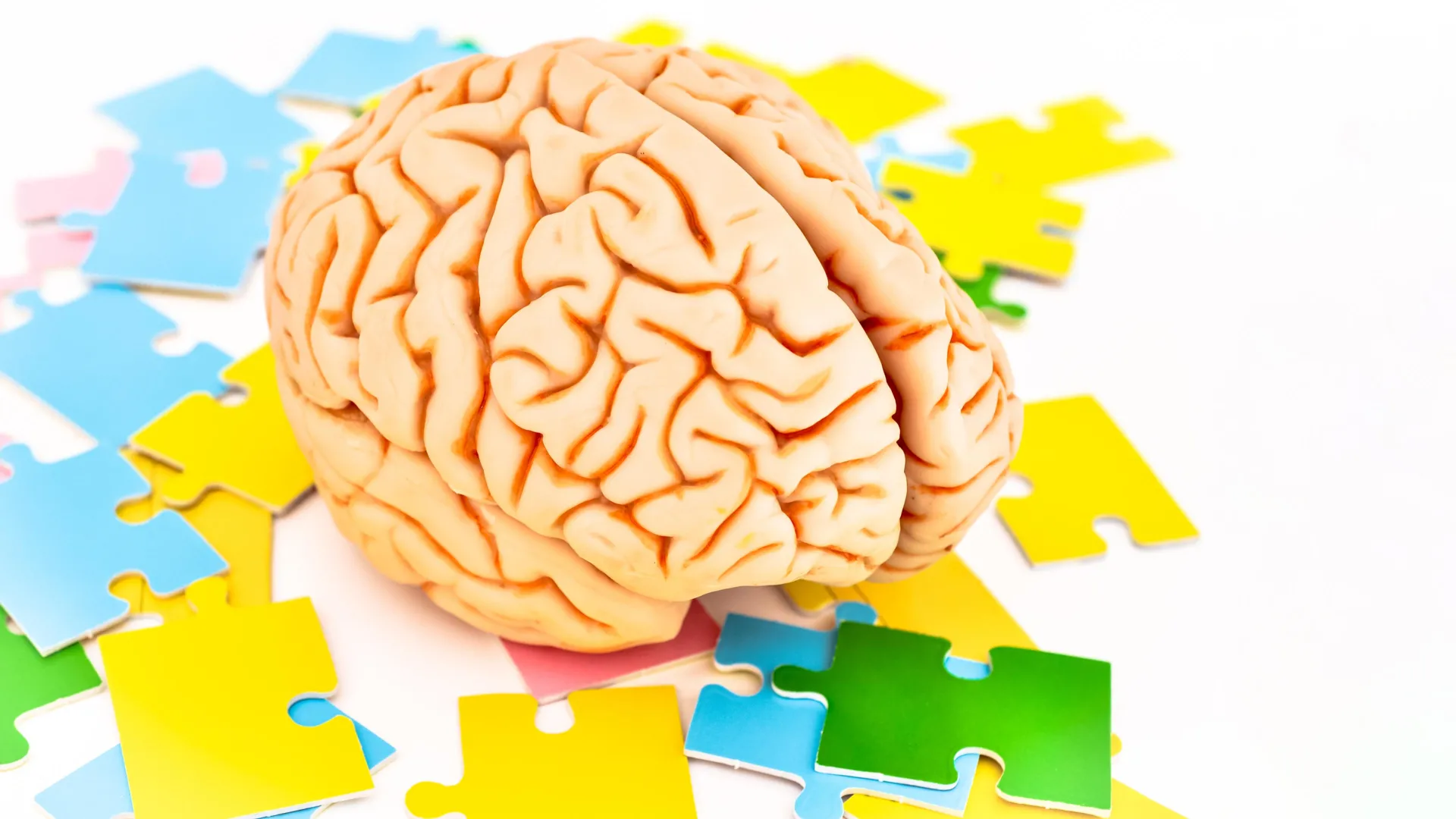
Research from Université de Montréal reveals that a simple technique involving tendon vibration can alter the perception of effort during exercise. In a study conducted by a team led by professor Benjamin Pageaux, participants experienced a significant reduction in the feeling of exertion while cycling after their tendons were vibrated. This finding could open new avenues for making physical activity less daunting for individuals who struggle to remain active.
Understanding how people perceive effort is crucial, as this perception can significantly influence their willingness to engage in exercise. While physical fitness levels, training, and muscle strength play roles, researchers emphasize that the brain’s interpretation of effort also shapes the experience. When a workout feels overwhelmingly strenuous, individuals are more likely to abandon it. Conversely, when they perceive a manageable level of effort, they tend to enjoy the activity more and continue over time.
In this latest study, the research team tested the hypothesis that vibrating specific tendons could reduce perceived effort during cycling. Participants used a wearable vibrating device on their Achilles and knee tendons for ten minutes prior to cycling on a stationary bike. Each participant completed two sessions: one with tendon vibration and another without. The results were compelling; after tendon vibration, participants produced greater power and demonstrated higher heart rates, yet their sense of effort remained unchanged.
The researchers are currently investigating how tendon vibration modifies the brain’s interpretation of physical exertion. While the precise biological mechanisms are still being explored, Pageaux suggests several potential explanations. “Depending on the amplitude and frequency of the vibration, we can either excite or inhibit neurons in the spinal cord,” he stated. This alteration in neuronal activity may change the signals sent to the brain, effectively reshaping the perception of effort during movement.
While these findings are promising, Pageaux cautions that the research is still in its early stages. The experiments thus far have focused on short cycling sessions under controlled laboratory conditions. “It hasn’t been tested in a marathon, only during a brief, three-minute cycling exercise,” he noted. Future studies will delve deeper into brain activity during exercise, utilizing techniques like electroencephalography and magnetic resonance imaging to observe how tendon vibration affects neural processes while individuals exert themselves.
Additionally, the research team aims to explore how pain and fatigue influence the perception of effort, potentially making physical activity feel more challenging. The ultimate goal is to develop strategies that lower the perceived effort associated with exercise, promoting physical activity among sedentary individuals. “By gaining a better understanding of how the brain evaluates the link between effort and perceived reward during exercise, we hope to encourage more regular physical activity,” Pageaux explained. “Staying active is essential for our health and well-being.”
This innovative approach to understanding effort perception may one day lead to interventions that make exercise more accessible and enjoyable for a broader range of people, ultimately contributing to improved public health outcomes.





Revolutionary Photonic Ski-Jump Could Miniaturize LiDAR Systems

Couples Detox from Plastics in New Netflix Doc: Can It Boost Fertility?

Aventon Launches Affordable Full-Suspension Electric Mountain Bike

Discover Eight Must-Try Restaurants This Spring Season

UC Irvine Team Unveils Innovative Ion Pump for Water Treatment

One-Third of Americans Trim Daily Expenses for Healthcare Needs

Apple Secures First Oscar in Three Years with F1: The Movie

Fourth Graders Celebrate St. Patrick’s Day with Creative Weather Drawings

Kim Kardashian Dazzles at Vanity Fair Oscars Party 2026

Nostradamus’ 2026 Predictions: Star Death and Dark Events Loom

Breakthroughs and Challenges Await Science in 2026

Electric Moto Influencer Surronster Arrested in Tijuana

OpenAI to Implement Age Verification for ChatGPT by December 2025

Discover the Top 10 Calorie Counting Apps of 2025

Recovering a Suspended TikTok Account: A Step-by-Step Guide

Bella Hadid Shares Health Update After Treatment for Lyme Disease

Backpack Drives Equip Students with Supplies for New School Year

Analysts Project Stronger Growth for Apple’s iPhone 17 Lineup
-
 Science8 months ago
Nostradamus’ 2026 Predictions: Star Death and Dark Events Loom
-
 Science8 months ago
Breakthroughs and Challenges Await Science in 2026
-
 Technology11 months ago
Electric Moto Influencer Surronster Arrested in Tijuana
-
 Technology9 months ago
OpenAI to Implement Age Verification for ChatGPT by December 2025
-
 Technology1 year ago
Discover the Top 10 Calorie Counting Apps of 2025
-
 Technology1 year ago
Recovering a Suspended TikTok Account: A Step-by-Step Guide
-
 Health11 months ago
Bella Hadid Shares Health Update After Treatment for Lyme Disease
-
 Education1 year ago
Backpack Drives Equip Students with Supplies for New School Year
-
 Health11 months ago
Analysts Project Stronger Growth for Apple’s iPhone 17 Lineup
-

 Health12 months ago
Japanese Study Finds Rose Oil Can Increase Brain Gray Matter
-

 Technology8 months ago
Top 10 Penny Stocks to Watch in 2026 for Strong Returns
-

 Science10 months ago
Starship V3 Set for 2026 Launch After Successful Final Test of Version 2