
Health
Trump Administration Highlights $12 Billion Savings from Medicare Drug Negotiations

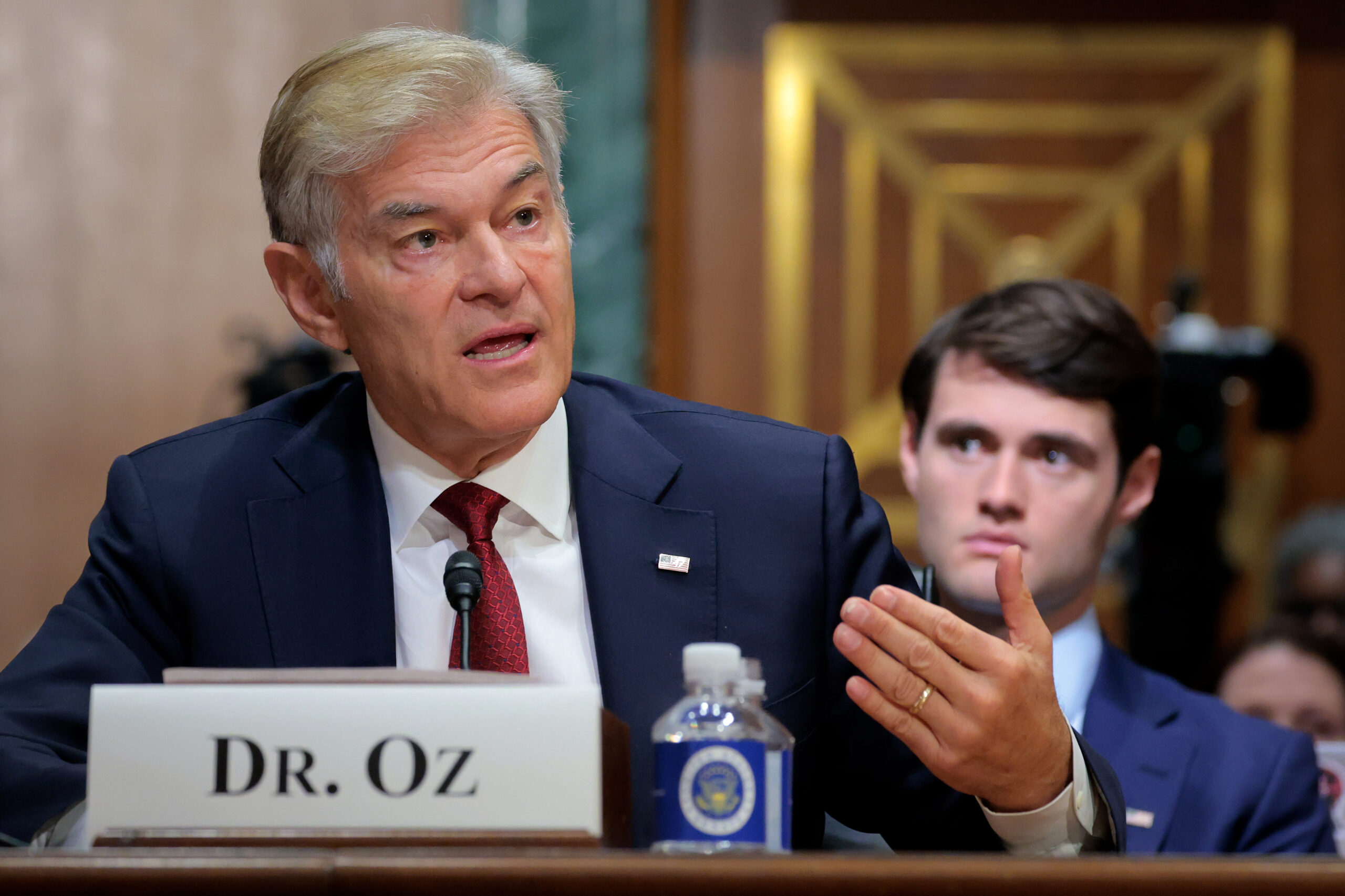
The Trump administration has announced that negotiations on drug prices under the Medicare program are projected to save approximately $12 billion over the next decade. This announcement was made by the Centers for Medicare & Medicaid Services (CMS), highlighting the financial impact of the Inflation Reduction Act.
The second phase of drug price negotiations, set to commence in 2027, aims to further lower costs for Medicare beneficiaries. This initiative is part of a broader effort to control prescription drug prices in the United States, which has been a contentious topic in healthcare debates.
Under the provisions of the Inflation Reduction Act, the government plans to negotiate prices for a select number of high-cost medications. This marks a significant shift in policy, allowing federal agencies to directly negotiate drug prices, a move that has garnered both support and criticism.
According to CMS, the anticipated savings will not only benefit the federal budget but also provide relief to millions of Americans reliant on Medicare for their prescription medications. The administration asserts that these negotiations are expected to enhance access to affordable healthcare options for senior citizens.
While the initial phase of negotiations covered only a limited number of drugs, the upcoming second round promises to expand the scope. Details regarding which specific medications will be targeted for negotiations in 2027 have yet to be disclosed, but stakeholders are keenly awaiting further announcements.
Advocates for the initiative argue that allowing the government to negotiate drug prices will lead to significant cost reductions. They believe this approach will help alleviate the financial burden associated with high prescription drug costs, which disproportionately affects vulnerable populations, including the elderly.
Conversely, pharmaceutical companies express concerns that such negotiations could hinder innovation and reduce the incentive to develop new drugs. They argue that price controls may ultimately lead to fewer advancements in medical treatments and therapies.
As the 2027 deadline approaches, discussions surrounding the potential impact of these negotiations will likely intensify. Stakeholders from various sectors, including healthcare providers, patients, and pharmaceutical companies, will continue to engage in debates about the balance between cost savings and the need for ongoing innovation in the industry.
In summary, the announcement from the Trump administration regarding the projected $12 billion savings from Medicare drug price negotiations marks a pivotal moment in U.S. healthcare policy. As the second round of negotiations approaches, the implications of these changes will be closely monitored by all parties involved.










Revolutionary Photonic Ski-Jump Could Miniaturize LiDAR Systems

Couples Detox from Plastics in New Netflix Doc: Can It Boost Fertility?

Aventon Launches Affordable Full-Suspension Electric Mountain Bike

Discover Eight Must-Try Restaurants This Spring Season

UC Irvine Team Unveils Innovative Ion Pump for Water Treatment

One-Third of Americans Trim Daily Expenses for Healthcare Needs

Apple Secures First Oscar in Three Years with F1: The Movie

Fourth Graders Celebrate St. Patrick’s Day with Creative Weather Drawings

Kim Kardashian Dazzles at Vanity Fair Oscars Party 2026

Nostradamus’ 2026 Predictions: Star Death and Dark Events Loom

Breakthroughs and Challenges Await Science in 2026

Electric Moto Influencer Surronster Arrested in Tijuana

OpenAI to Implement Age Verification for ChatGPT by December 2025

Discover the Top 10 Calorie Counting Apps of 2025

Recovering a Suspended TikTok Account: A Step-by-Step Guide

Bella Hadid Shares Health Update After Treatment for Lyme Disease

Backpack Drives Equip Students with Supplies for New School Year

Analysts Project Stronger Growth for Apple’s iPhone 17 Lineup
-
 Science8 months ago
Nostradamus’ 2026 Predictions: Star Death and Dark Events Loom
-
 Science8 months ago
Breakthroughs and Challenges Await Science in 2026
-
 Technology11 months ago
Electric Moto Influencer Surronster Arrested in Tijuana
-
 Technology9 months ago
OpenAI to Implement Age Verification for ChatGPT by December 2025
-
 Technology1 year ago
Discover the Top 10 Calorie Counting Apps of 2025
-
 Technology1 year ago
Recovering a Suspended TikTok Account: A Step-by-Step Guide
-
 Health11 months ago
Bella Hadid Shares Health Update After Treatment for Lyme Disease
-
 Education1 year ago
Backpack Drives Equip Students with Supplies for New School Year
-
 Health12 months ago
Analysts Project Stronger Growth for Apple’s iPhone 17 Lineup
-

 Health12 months ago
Japanese Study Finds Rose Oil Can Increase Brain Gray Matter
-

 Technology8 months ago
Top 10 Penny Stocks to Watch in 2026 for Strong Returns
-

 Science10 months ago
Starship V3 Set for 2026 Launch After Successful Final Test of Version 2