
Health
Saudi FDA Advances Food Safety with Innovative AI Strategies

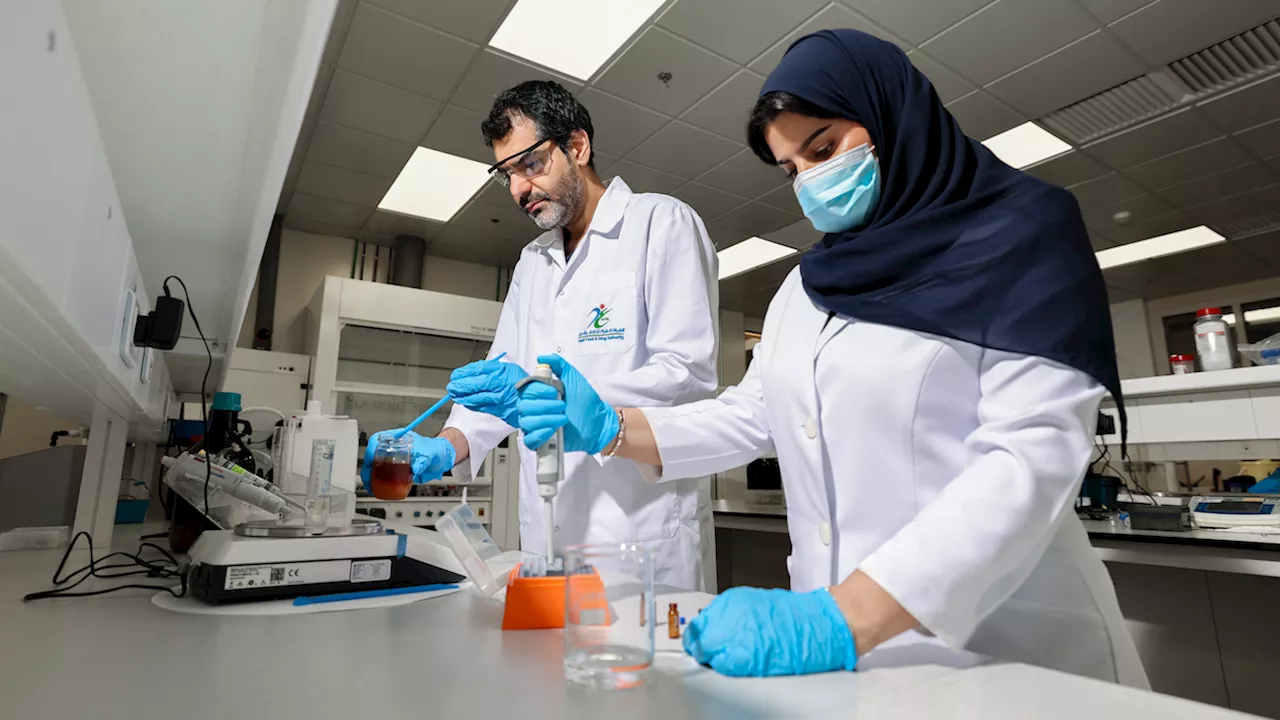
The Saudi Food & Drug Authority (SFDA) is making significant strides in food safety by integrating advanced technologies, including artificial intelligence, into its regulatory framework. This initiative is part of Saudi Arabia’s broader Vision 2030 program, which aims to position the nation as a leader in cultural and scientific innovation. By enhancing food safety measures, the SFDA is not only protecting the health of its citizens but also setting higher standards regionally and globally.
According to His Excellency Dr. Hisham Saad Aljadhey, CEO of the SFDA, the authority’s regulations are firmly based on scientific data. He states, “As an evidence-based authority, all our regulations are grounded in scientific data, which informs our decision-making processes.” The SFDA’s commitment to utilizing emerging technologies fosters a collaborative environment that promotes research and innovation.
One of the SFDA’s primary focuses is combating food fraud, which includes the misrepresentation of food products’ origins and purity. This issue not only threatens consumer safety but also harms the reputations and revenues of producers and distributors. To tackle this challenge, the SFDA has established specialized laboratories since 2021, employing a multimethod approach that incorporates advanced fingerprinting techniques.
The authority’s innovative methods now protect critical sectors of the Saudi food industry, such as honey, milk, olive oil, coffee, and tea. For instance, honey holds immense cultural significance in Saudi Arabia, with an average consumption rate of 320 grams per person annually—double the global average. Recognizing the susceptibility of honey to fraud, the SFDA has developed unique fingerprints for two prized varieties: talh and sidr. By collecting samples from verified sources and combining traditional analyses with cutting-edge chemical metadata, the SFDA ensures the authenticity of domestic honey against deceptive practices.
The multimethod approach extends beyond honey. Techniques such as Fourier-transform infrared spectroscopy, isotope ratio analysis, and nuclear magnetic resonance are now enhancing the detection of adulteration in staples like milk and olive oil. These advancements allow for greater precision and reliability in quality control.
The SFDA’s efforts are not limited to domestic applications. After refining its internal processes, the authority is actively sharing its multimethod approach with neighboring countries and beyond. By adopting these universal food-testing methods, trade operations and supply chains throughout the Middle East, Africa, Europe, and globally are expected to improve significantly.
Central to these innovations is the role of artificial intelligence. The SFDA is developing a comprehensive data set to support its new AI lab, which will enhance fraud detection capabilities. Additionally, the authority has introduced a Digital Employee, an AI-driven tool designed to automate the collection and analysis of large volumes of data. This technology enables decision-makers to respond swiftly to any threats against food safety.
Overall, the SFDA’s ongoing initiatives reflect Saudi Arabia’s ambitious goals within the Vision 2030 framework. By prioritizing food safety and leveraging advanced technologies, the Saudi Food & Drug Authority is solidifying its position as a leader in science and technology, ultimately benefiting both the local population and international communities.








Revolutionary Photonic Ski-Jump Could Miniaturize LiDAR Systems

Couples Detox from Plastics in New Netflix Doc: Can It Boost Fertility?

Aventon Launches Affordable Full-Suspension Electric Mountain Bike

Discover Eight Must-Try Restaurants This Spring Season

UC Irvine Team Unveils Innovative Ion Pump for Water Treatment

One-Third of Americans Trim Daily Expenses for Healthcare Needs

Apple Secures First Oscar in Three Years with F1: The Movie

Fourth Graders Celebrate St. Patrick’s Day with Creative Weather Drawings

Kim Kardashian Dazzles at Vanity Fair Oscars Party 2026

Nostradamus’ 2026 Predictions: Star Death and Dark Events Loom

Breakthroughs and Challenges Await Science in 2026

Electric Moto Influencer Surronster Arrested in Tijuana

OpenAI to Implement Age Verification for ChatGPT by December 2025

Discover the Top 10 Calorie Counting Apps of 2025

Recovering a Suspended TikTok Account: A Step-by-Step Guide

Bella Hadid Shares Health Update After Treatment for Lyme Disease

Backpack Drives Equip Students with Supplies for New School Year

Analysts Project Stronger Growth for Apple’s iPhone 17 Lineup
-
 Science8 months ago
Nostradamus’ 2026 Predictions: Star Death and Dark Events Loom
-
 Science8 months ago
Breakthroughs and Challenges Await Science in 2026
-
 Technology11 months ago
Electric Moto Influencer Surronster Arrested in Tijuana
-
 Technology9 months ago
OpenAI to Implement Age Verification for ChatGPT by December 2025
-
 Technology1 year ago
Discover the Top 10 Calorie Counting Apps of 2025
-
 Technology1 year ago
Recovering a Suspended TikTok Account: A Step-by-Step Guide
-
 Health11 months ago
Bella Hadid Shares Health Update After Treatment for Lyme Disease
-
 Education1 year ago
Backpack Drives Equip Students with Supplies for New School Year
-
 Health11 months ago
Analysts Project Stronger Growth for Apple’s iPhone 17 Lineup
-

 Health12 months ago
Japanese Study Finds Rose Oil Can Increase Brain Gray Matter
-

 Technology8 months ago
Top 10 Penny Stocks to Watch in 2026 for Strong Returns
-

 Science10 months ago
Starship V3 Set for 2026 Launch After Successful Final Test of Version 2