
Health
Reviving Attensity: A New Perspective on Human Attention

The term “attensity,” introduced by early twentieth-century psychologist Edward Titchener, is experiencing a revival as scholars and activists seek to redefine how we understand human attention. This renewed interest highlights the need for a more nuanced exploration of attention, a concept that has often been overshadowed by the more popular notion of empathy in therapeutic practices.
Historical Context of Attensity
In the early 1900s, Titchener, a disciple of Wilhelm Wundt, coined the term “attensity” as part of his introspective research into human consciousness. He sought to describe the power of attention, separating it from the mere intensity of stimuli. While Titchener’s work led to significant insights into psychology, the term “attensity” faded from use, replaced largely by the concept of empathy, which has since gained mainstream acceptance.
Empathy, a term that emerged alongside attensity, has become a cornerstone of therapeutic practice. Therapists widely recognize it as essential for effective treatment, supported by extensive research that shows empathy enhances patient outcomes. In contrast, attensity has remained largely unexamined, despite its potential to offer deeper insights into the human experience of attention.
The Revival and Its Implications
Recently, a group of attention scholars has proposed to revitalize the concept of attensity as a solution to pressing contemporary issues. Their argument is that understanding attention in its own right, rather than as a mere subset of empathy, can provide valuable perspectives on the challenges faced in today’s fast-paced, distraction-heavy environments.
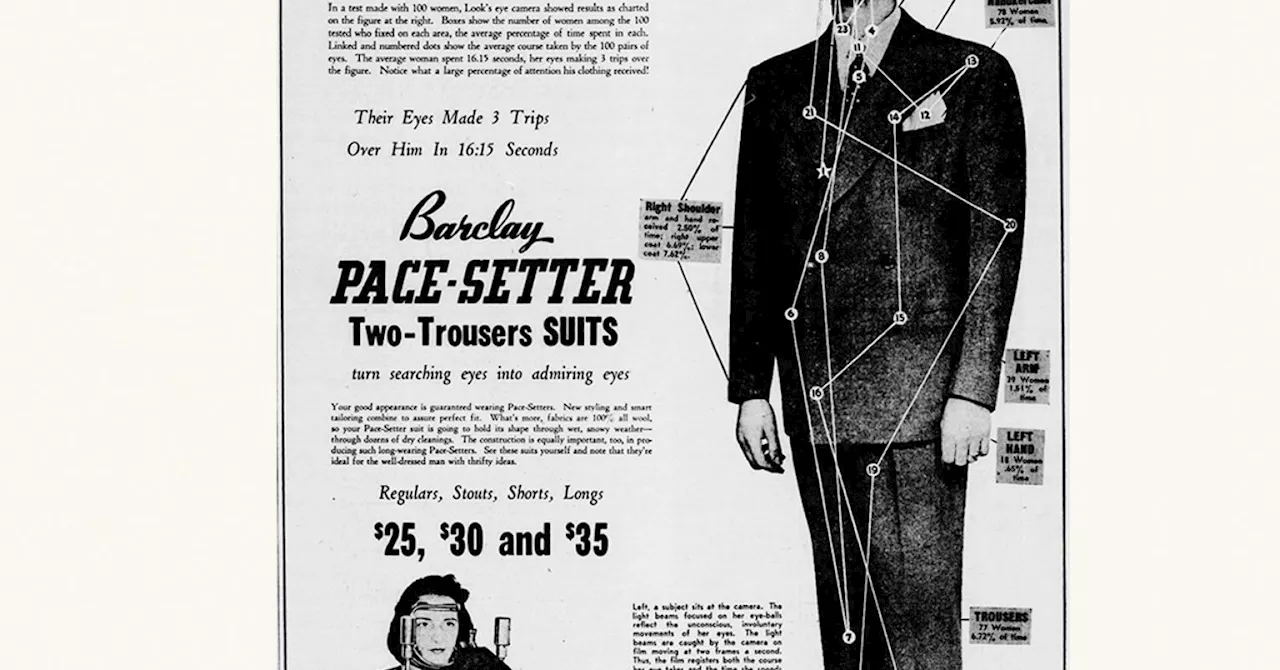
This renewed focus comes in light of the dominance of behavioral psychology, which has historically defined attention in quantifiable terms, often relying on experimental methods such as eye-tracking technology. While these approaches have their merits, they risk oversimplifying the rich complexity of human attention and its role in our lives.
As society grapples with the implications of short-form content and its impact on cognitive engagement—commonly referred to as “brain rot”—the revival of attensity could offer a framework for understanding how attention shapes our inner lives. The growing prevalence of digital distractions has led to a call for greater awareness of how we direct our focus and the effects of such choices on our mental health and well-being.
By reintroducing attensity into discourse, scholars aim to foster a more comprehensive understanding of attention that transcends mere measurement. This shift could pave the way for innovative therapeutic practices that prioritize the quality of attention, rather than simply its quantity.
As the conversation around mental health and cognitive wellness evolves, revisiting Titchener’s concept of attensity may illuminate pathways for deeper engagement and understanding in a world increasingly characterized by distraction and superficial connections.





Revolutionary Photonic Ski-Jump Could Miniaturize LiDAR Systems

Couples Detox from Plastics in New Netflix Doc: Can It Boost Fertility?

Aventon Launches Affordable Full-Suspension Electric Mountain Bike

Discover Eight Must-Try Restaurants This Spring Season

UC Irvine Team Unveils Innovative Ion Pump for Water Treatment

One-Third of Americans Trim Daily Expenses for Healthcare Needs

Apple Secures First Oscar in Three Years with F1: The Movie

Fourth Graders Celebrate St. Patrick’s Day with Creative Weather Drawings

Kim Kardashian Dazzles at Vanity Fair Oscars Party 2026

Nostradamus’ 2026 Predictions: Star Death and Dark Events Loom

Breakthroughs and Challenges Await Science in 2026

Electric Moto Influencer Surronster Arrested in Tijuana

OpenAI to Implement Age Verification for ChatGPT by December 2025

Discover the Top 10 Calorie Counting Apps of 2025

Recovering a Suspended TikTok Account: A Step-by-Step Guide

Bella Hadid Shares Health Update After Treatment for Lyme Disease

Backpack Drives Equip Students with Supplies for New School Year

Analysts Project Stronger Growth for Apple’s iPhone 17 Lineup
-
 Science7 months ago
Nostradamus’ 2026 Predictions: Star Death and Dark Events Loom
-
 Science7 months ago
Breakthroughs and Challenges Await Science in 2026
-
 Technology11 months ago
Electric Moto Influencer Surronster Arrested in Tijuana
-
 Technology8 months ago
OpenAI to Implement Age Verification for ChatGPT by December 2025
-
 Technology1 year ago
Discover the Top 10 Calorie Counting Apps of 2025
-
 Technology1 year ago
Recovering a Suspended TikTok Account: A Step-by-Step Guide
-
 Health11 months ago
Bella Hadid Shares Health Update After Treatment for Lyme Disease
-
 Education1 year ago
Backpack Drives Equip Students with Supplies for New School Year
-
 Health11 months ago
Analysts Project Stronger Growth for Apple’s iPhone 17 Lineup
-

 Technology7 months ago
Top 10 Penny Stocks to Watch in 2026 for Strong Returns
-

 Health11 months ago
Japanese Study Finds Rose Oil Can Increase Brain Gray Matter
-

 Science10 months ago
Starship V3 Set for 2026 Launch After Successful Final Test of Version 2