
Health
Researchers Launch Human REPAIRome, Cataloging 20,000 DNA Scars

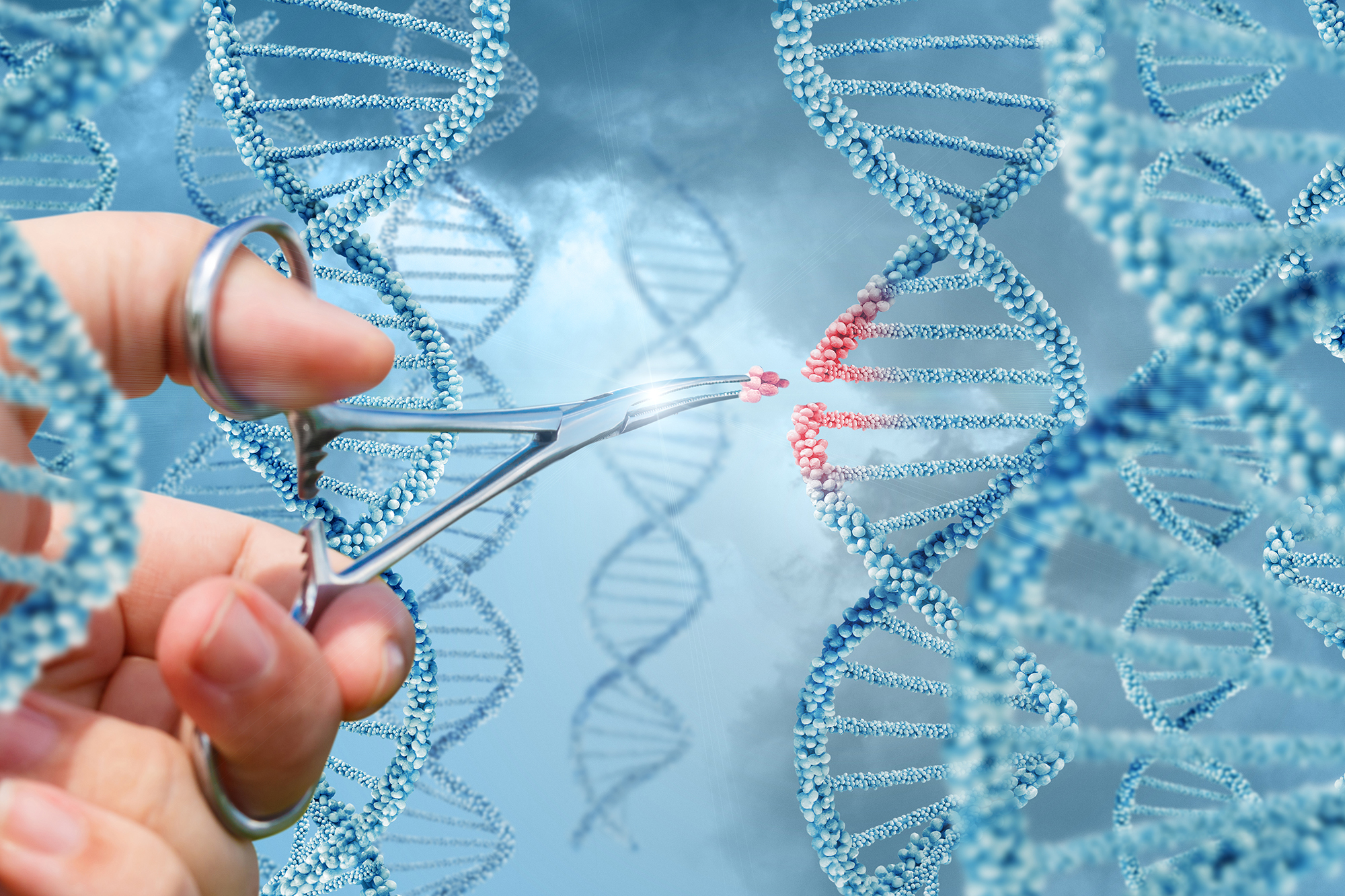
Researchers at the Spanish National Cancer Research Centre (CNIO) have unveiled a groundbreaking resource known as the “human REPAIRome,” which catalogues 20,000 types of DNA scar patterns resulting from double-strand breaks (DSBs) in human DNA. This comprehensive database aims to enhance understanding of DNA repair mechanisms and could have significant implications for cancer treatment and gene editing technologies.
Lead researcher Felipe Cortés-Ledesma, PhD, who heads the DNATopology and DNA Breaks group at CNIO, emphasized the importance of this work. “It is an ambitious piece of work, which we hope will become a truly useful resource in cancer research and also in clinical practice,” he stated. The human REPAIRome is now accessible through a dedicated portal, allowing scientists worldwide to explore how various genes influence DNA repair processes.
The human REPAIRome’s significance lies not only in its vast catalog of DNA scars but also in its potential clinical applications. By analyzing the scar patterns found in tumor cells, researchers may be able to tailor cancer treatments more effectively. This could lead to improved outcomes for patients, as understanding the scarring patterns may help identify which therapies would be most beneficial based on individual genetic profiles.
In a paper published in the journal Science, the CNIO team detailed their findings in a study titled “A comprehensive genetic catalog of human double-strand break repair.” The researchers noted that the REPAIRome could drive future discoveries in areas such as DSB repair, CRISPR-Cas gene editing, and the study of mutational signatures related to cancer. The team collaborated with CNIO’s Computational Oncology and Genomic Integrity and Structural Biology groups to produce this resource.
DNA double-strand breaks are one of the most severe forms of DNA damage, occurring when both strands of the DNA helix are disrupted. This damage can result from various factors, including exposure to external radiation or chemicals. The researchers pointed out that inaccurate repair of DSBs can lead to mutations and rearrangements of the genome, contributing to the onset and progression of cancer.
“DNA double-strand breaks are dangerous lesions because they disrupt the integrity and continuity of the genome,” the authors explained. They further noted that agents inducing DSBs are widely utilized in cancer therapies, making the understanding of these mechanisms critical for advancing treatment strategies.
To create the human REPAIRome, the CNIO team constructed approximately 20,000 distinct cell populations, each with a different gene disabled. Using CRISPR technology, they induced DSBs and analyzed the resulting “scars” left in the DNA after repair. The team found that the patterns of these scars are not random; instead, they reflect the specific genes and pathways involved in the repair process.
“Indel profiling in different contexts thus provides a potent tool for our molecular understanding of DSB repair mechanisms,” the scientists stated. By decoding these scars, researchers can gain insights into the original damage and the repair strategies employed by cells. This knowledge is especially relevant for cancer treatment since many therapies rely on creating DNA breaks to eliminate cancer cells.
The CNIO researchers also identified new proteins that play roles in both promoting and inhibiting DNA repair. They discovered a pattern of mutations associated with kidney cancer and low oxygen conditions in other tumors, potentially paving the way for novel therapeutic approaches.
The human REPAIRome portal provides a user-friendly interface for researchers to explore the relationship between human genes and DNA repair processes. The authors believe this resource will facilitate scientific discoveries in the fields of DSB repair, CRISPR-Cas gene editing, and cancer genomics, with significant biotechnological and clinical implications.
In summary, the launch of the human REPAIRome represents a major advancement in the understanding of DNA repair mechanisms. By cataloging the scars left on DNA after damage, researchers can unlock new avenues for cancer treatment and improve the precision of gene editing technologies. As Cortés-Ledesma noted, “A deep understanding of DSB repair mechanisms and their influence on mutational outcomes is of great interest, with broad implications for human health—including cancer development and therapy.”








Revolutionary Photonic Ski-Jump Could Miniaturize LiDAR Systems

Couples Detox from Plastics in New Netflix Doc: Can It Boost Fertility?

Aventon Launches Affordable Full-Suspension Electric Mountain Bike

Discover Eight Must-Try Restaurants This Spring Season

UC Irvine Team Unveils Innovative Ion Pump for Water Treatment

One-Third of Americans Trim Daily Expenses for Healthcare Needs

Apple Secures First Oscar in Three Years with F1: The Movie

Fourth Graders Celebrate St. Patrick’s Day with Creative Weather Drawings

Kim Kardashian Dazzles at Vanity Fair Oscars Party 2026

Nostradamus’ 2026 Predictions: Star Death and Dark Events Loom

Breakthroughs and Challenges Await Science in 2026

Electric Moto Influencer Surronster Arrested in Tijuana

OpenAI to Implement Age Verification for ChatGPT by December 2025

Discover the Top 10 Calorie Counting Apps of 2025

Recovering a Suspended TikTok Account: A Step-by-Step Guide

Bella Hadid Shares Health Update After Treatment for Lyme Disease

Backpack Drives Equip Students with Supplies for New School Year

Analysts Project Stronger Growth for Apple’s iPhone 17 Lineup
-
 Science8 months ago
Nostradamus’ 2026 Predictions: Star Death and Dark Events Loom
-
 Science8 months ago
Breakthroughs and Challenges Await Science in 2026
-
 Technology11 months ago
Electric Moto Influencer Surronster Arrested in Tijuana
-
 Technology9 months ago
OpenAI to Implement Age Verification for ChatGPT by December 2025
-
 Technology1 year ago
Discover the Top 10 Calorie Counting Apps of 2025
-
 Technology1 year ago
Recovering a Suspended TikTok Account: A Step-by-Step Guide
-
 Health11 months ago
Bella Hadid Shares Health Update After Treatment for Lyme Disease
-
 Education1 year ago
Backpack Drives Equip Students with Supplies for New School Year
-
 Health12 months ago
Analysts Project Stronger Growth for Apple’s iPhone 17 Lineup
-

 Health12 months ago
Japanese Study Finds Rose Oil Can Increase Brain Gray Matter
-

 Technology8 months ago
Top 10 Penny Stocks to Watch in 2026 for Strong Returns
-

 Science10 months ago
Starship V3 Set for 2026 Launch After Successful Final Test of Version 2