
Health
Researchers Explore Flu Transmission, Discover Unexpected Insights

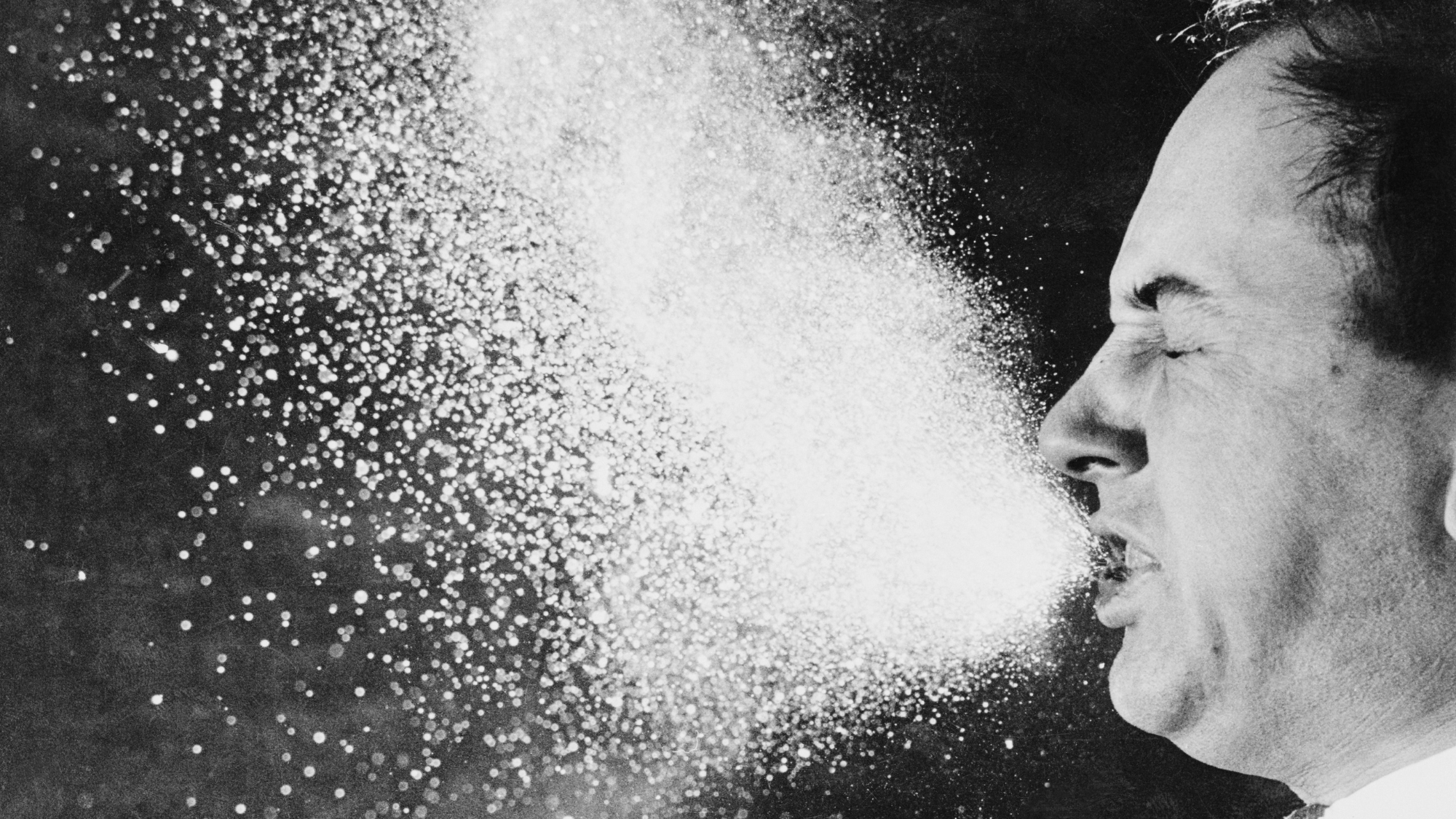
A recent study conducted by researchers at the University of Maryland has yielded surprising insights into the transmission of the influenza virus. The experiment, published in the journal PLOS Pathogens, involved close interactions between individuals infected with the flu and healthy participants, all designed to mimic real-world conditions that facilitate the virus’s spread.
The study aimed to investigate the assumption that close proximity and shared environments significantly increase the risk of flu transmission. Instead of relying on models or simulations, the researchers engaged real people—those who had naturally acquired the flu—and placed them in a controlled hotel room setting optimized for viral spread.
Experiment Setup and Findings
Participants, referred to as “donors,” were paired with healthy individuals, known as “recipients,” for several days. The environment was engineered to favor the flu virus, featuring reduced ventilation, shared surfaces, and recirculated air. Temperature and humidity levels were adjusted to conditions thought to support viral transmission.
Despite these ideal circumstances, the results were unexpected. Not one of the recipients tested positive for influenza, even after multiple days of close contact, card games, and shared activities. While the donors were actively infected, with detectable viral material in their saliva and breath, the recipients reported only mild symptoms, with no evidence of infection.
As noted in ScienceAlert, this research challenges long-standing beliefs about influenza transmission outside laboratory settings. Previous studies often involved deliberately infecting healthy volunteers, whereas this study closely mirrored everyday interactions.
Key Factors Influencing Transmission
The researchers identified several factors that may have contributed to the lack of transmission. One explanation is that the adult donors shed relatively small amounts of the virus and exhibited few overt symptoms. Notably, they did not engage in significant coughing or sneezing—activities that are known to drive most flu transmissions.
Moreover, the recipients’ immune systems played a crucial role. Many had experienced multiple flu seasons and had received vaccinations, which likely enhanced their immunity in a high-contact environment.
Airflow also emerged as a critical variable. The presence of fans and the recirculation of air likely dispersed viral particles rapidly, preventing them from concentrating in the breathing zone of another person.
While the study does not alter the established understanding of influenza—where aerosol transmission remains a key factor, especially during active coughing or sneezing—it highlights the specific conditions necessary for the virus to spread effectively. The findings underscore the variability in viral shedding and individual responses to infection, as well as the significant impact of air movement on transmission dynamics.
The implications of this research are clear: maintaining good hygiene, including frequent handwashing and staying home when feeling unwell, remains essential. Additionally, supporting one’s immune system can significantly influence susceptibility to infections, potentially reducing the risk of contracting illnesses in crowded environments.
As the flu season continues, understanding these dynamics may help inform public health strategies and individual behaviors aimed at reducing the spread of influenza.













San Diego Zoo and Illumina Launch DNA Sequencing for Biodiversity

Islamic Organization Distributes Materials at Texas High School

San Antonio Artists Bring Supplies and Solidarity to Cuba

Larvae Exhibit Social Behavior Changes Based on Environment

Supplements for Metabolic Health: Understanding Their Role

Researchers Measure Cosmic Radiation’s Impact on Dark Clouds

CISA Urges Immediate Action on Critical SolarWinds Security Flaw

Nichols College Students Gear Up for Super Bowl Experience

Alma’s Kylee Lineberry Competes in Miss Arkansas Tech Pageant

Nostradamus’ 2026 Predictions: Star Death and Dark Events Loom

OpenAI to Implement Age Verification for ChatGPT by December 2025

Discover the Top 10 Calorie Counting Apps of 2025

Bella Hadid Shares Health Update After Treatment for Lyme Disease

Analysts Project Stronger Growth for Apple’s iPhone 17 Lineup

Electric Moto Influencer Surronster Arrested in Tijuana

Harvard Secures Court Victory Over Federal Funding Cuts

Erin Bates Shares Recovery Update Following Sepsis Complications

Meta Initiates $60B AI Data Center Expansion, Starting in Ohio
-
 Science1 month ago
Nostradamus’ 2026 Predictions: Star Death and Dark Events Loom
-
 Technology2 months ago
OpenAI to Implement Age Verification for ChatGPT by December 2025
-
 Technology7 months ago
Discover the Top 10 Calorie Counting Apps of 2025
-
 Health5 months ago
Bella Hadid Shares Health Update After Treatment for Lyme Disease
-
 Health5 months ago
Analysts Project Stronger Growth for Apple’s iPhone 17 Lineup
-
 Technology5 months ago
Electric Moto Influencer Surronster Arrested in Tijuana
-
 Education5 months ago
Harvard Secures Court Victory Over Federal Funding Cuts
-
 Health5 months ago
Erin Bates Shares Recovery Update Following Sepsis Complications
-
 Technology7 months ago
Meta Initiates $60B AI Data Center Expansion, Starting in Ohio
-

 Technology6 months ago
Discover How to Reverse Image Search Using ChatGPT Effortlessly
-

 Science4 months ago
Starship V3 Set for 2026 Launch After Successful Final Test of Version 2
-

 Technology7 months ago
Recovering a Suspended TikTok Account: A Step-by-Step Guide