
Health
Researchers Emphasize Genetic Roots of Autism Over Vaccines

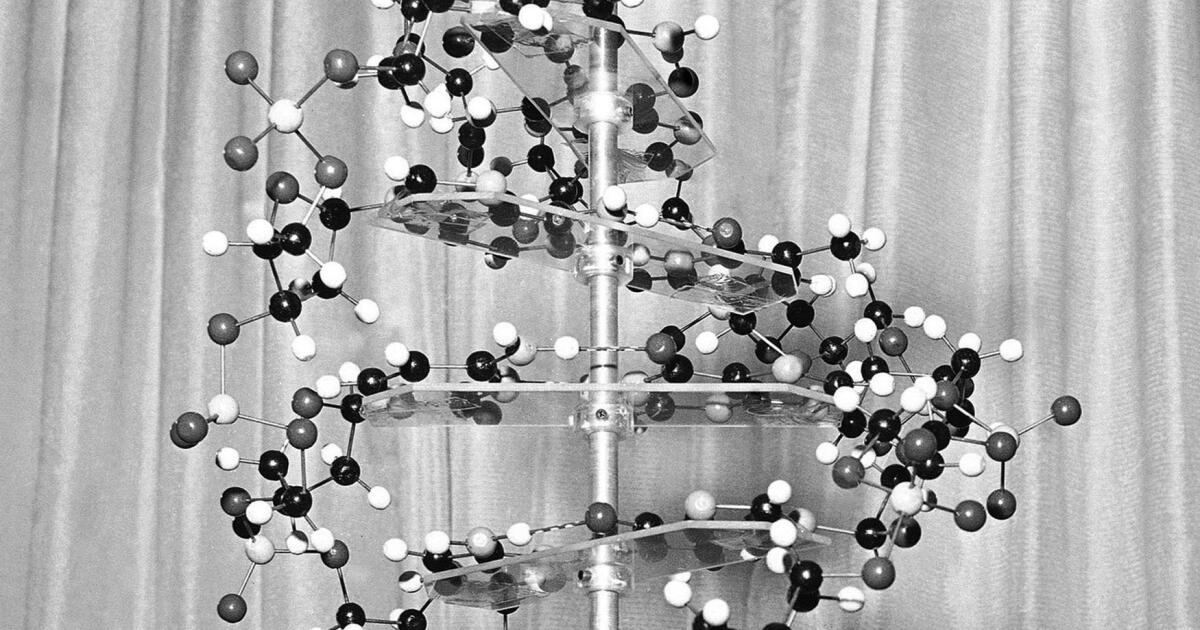
In a significant development regarding the understanding of autism, researchers are reaffirming that the condition is primarily rooted in genetics rather than environmental factors such as vaccines. This perspective comes after recent statements from Robert F. Kennedy Jr., the U.S. Secretary of Health and Human Services, who has claimed that a definitive answer regarding the causes of autism would be available within five months. Despite his ambitious assertions made during a Cabinet meeting with Donald Trump in April, experts emphasize that the search for autism’s origins is much more complex.
The research community has long grappled with the question of what causes autism spectrum disorder (ASD), a neurodevelopmental condition that manifests differently across individuals. While no single cause has been identified, a growing consensus indicates that autism results from intricate interactions between genetic factors and environmental influences, particularly during gestation.
Genetic Insights into Autism
According to Irva Hertz-Picciotto, a professor at UC Davis, the variability in autism traits among individuals and families suggests that there is not a singular cause. She states, “The real reason why it’s complicated… is that there’s not a single cause.” This complexity is echoed by Joe Buxbaum, a molecular neuroscientist at the Icahn School of Medicine at Mount Sinai, who asserts, “If we know nothing else, we know that autism is primarily genetic.”
Unlike some neurodevelopmental disorders that can be traced to specific genetic anomalies, autism appears to be polygenic. This means that multiple genes contribute to its manifestation, with hundreds of potential genetic links identified. Research shows that among children with an autistic sibling, the likelihood of autism increases to 20.2%, compared to 2.8% in the general population, underscoring the genetic component’s significance.
Studies of twins further illuminate the hereditary nature of autism. Identical twins, who share 100% of their genetic material, show a concordance rate for autism between 60% and 90%. In contrast, fraternal twins share about 50% of their genes, resulting in a much lower shared incidence of autism. This genetic basis is reinforced by research from Dr. John Constantino at Emory University, highlighting that substantial genetic influence plays a critical role in the causation of autism.
Environmental Factors and Misconceptions
While genetics is pivotal, environmental factors also contribute to autism risk, particularly during pregnancy. Factors such as advanced parental age, premature birth, and exposure to pollutants have been linked to heightened risk. However, these environmental influences interact with genetic predispositions, complicating the picture further. Brian K. Lee, a professor at Drexel University, emphasizes that genetics and environment are interlinked, stating, “Genetics does not operate in a vacuum.”
Despite the compelling genetic evidence, misconceptions remain, particularly concerning vaccines. Numerous studies have failed to establish any credible link between childhood vaccinations and autism. Yet Kennedy’s statements continue to promote a narrative that inaccurately associates vaccines with the disorder, which many researchers believe undermines public health efforts.
In a positive step, the U.S. Department of Health and Human Services announced a $50 million initiative in September to investigate the interplay between genetic and environmental factors in autism. This funding will support 13 research teams at esteemed institutions, including UCLA and UC San Diego. Many in the autism research community view this as a hopeful development, given the previous cuts to autism-related research funding initiated by Kennedy.
As the dialogue around autism continues, it is essential for scientific inquiry to rest on a foundation of shared facts and established evidence. Researchers advocate for evidence-based decision-making regarding funding and research directions, underscoring the importance of clarity in the complex landscape of autism research. The ongoing pursuit of understanding autism remains a critical endeavor, one that necessitates collaboration and a commitment to scientific integrity.













Revolutionary Photonic Ski-Jump Could Miniaturize LiDAR Systems

Couples Detox from Plastics in New Netflix Doc: Can It Boost Fertility?

Aventon Launches Affordable Full-Suspension Electric Mountain Bike

Discover Eight Must-Try Restaurants This Spring Season

UC Irvine Team Unveils Innovative Ion Pump for Water Treatment

One-Third of Americans Trim Daily Expenses for Healthcare Needs

Apple Secures First Oscar in Three Years with F1: The Movie

Fourth Graders Celebrate St. Patrick’s Day with Creative Weather Drawings

Kim Kardashian Dazzles at Vanity Fair Oscars Party 2026

Nostradamus’ 2026 Predictions: Star Death and Dark Events Loom

Breakthroughs and Challenges Await Science in 2026

Electric Moto Influencer Surronster Arrested in Tijuana

OpenAI to Implement Age Verification for ChatGPT by December 2025

Discover the Top 10 Calorie Counting Apps of 2025

Recovering a Suspended TikTok Account: A Step-by-Step Guide

Bella Hadid Shares Health Update After Treatment for Lyme Disease

Backpack Drives Equip Students with Supplies for New School Year

Analysts Project Stronger Growth for Apple’s iPhone 17 Lineup
-
 Science8 months ago
Nostradamus’ 2026 Predictions: Star Death and Dark Events Loom
-
 Science8 months ago
Breakthroughs and Challenges Await Science in 2026
-
 Technology11 months ago
Electric Moto Influencer Surronster Arrested in Tijuana
-
 Technology9 months ago
OpenAI to Implement Age Verification for ChatGPT by December 2025
-
 Technology1 year ago
Discover the Top 10 Calorie Counting Apps of 2025
-
 Technology1 year ago
Recovering a Suspended TikTok Account: A Step-by-Step Guide
-
 Health11 months ago
Bella Hadid Shares Health Update After Treatment for Lyme Disease
-
 Education1 year ago
Backpack Drives Equip Students with Supplies for New School Year
-
 Health12 months ago
Analysts Project Stronger Growth for Apple’s iPhone 17 Lineup
-

 Health12 months ago
Japanese Study Finds Rose Oil Can Increase Brain Gray Matter
-

 Technology8 months ago
Top 10 Penny Stocks to Watch in 2026 for Strong Returns
-

 Science10 months ago
Starship V3 Set for 2026 Launch After Successful Final Test of Version 2