
Health
Refresh Your Medicine Cabinet: Essential Tips for Home Care

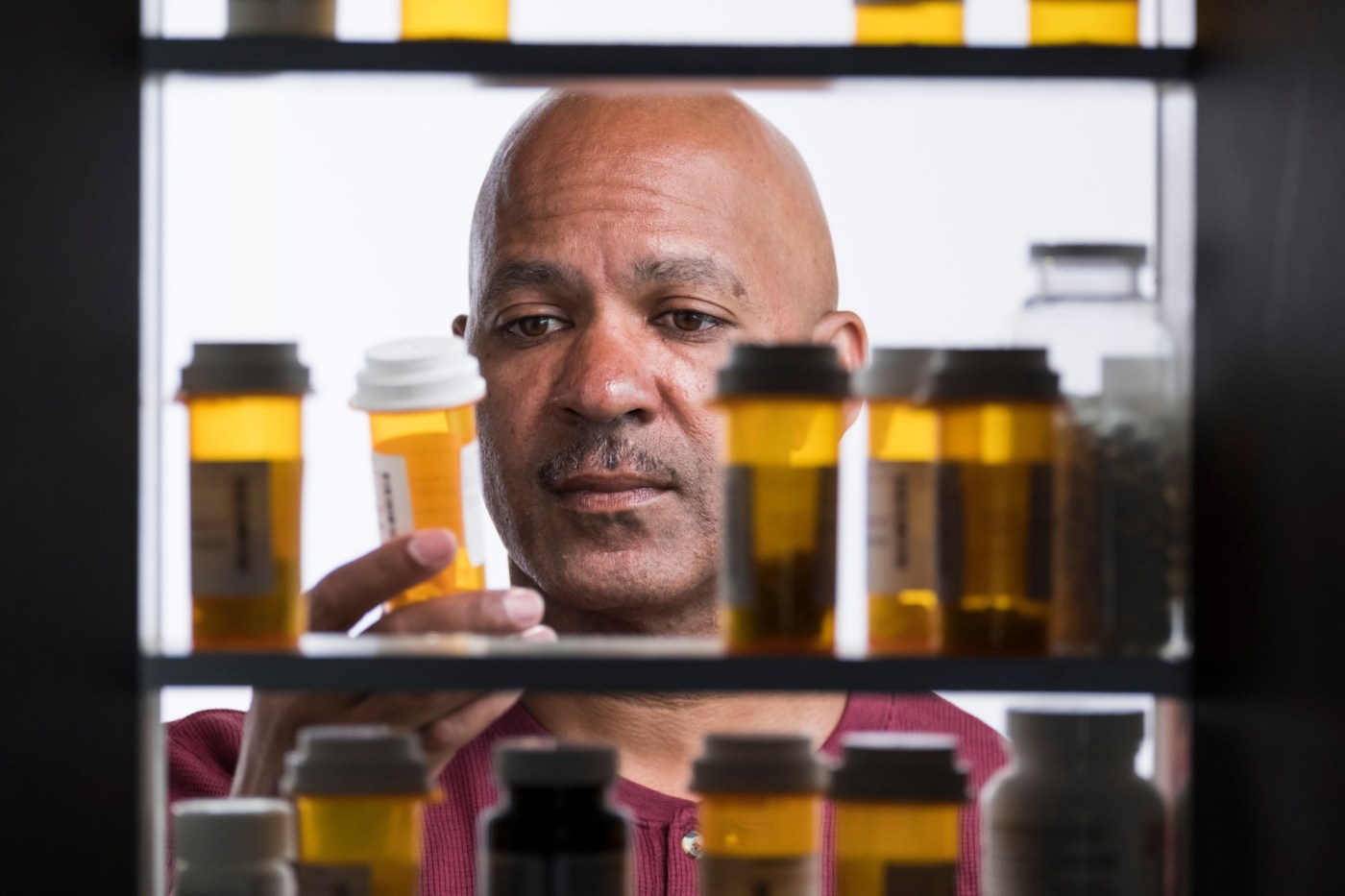
Many individuals find their medicine cabinets cluttered with expired medications, half-used creams, and various unidentified products. A recent call to action emphasizes the importance of organizing and maintaining a functional medicine cabinet to better manage health concerns at home. Dr. Sarah Nosal, president of the American Academy of Family Physicians, asserts that taking inventory of your medicines is crucial before purchasing new supplies.
To begin, empty your medicine cabinet and sort the contents by expiration date. This will help identify which items are still viable and which should be discarded. It is essential to remove any expired medications, loose pills, unidentified bottles, and remnants of old prescriptions.
According to Lee Cantrell, director of the San Diego division of the California Poison Control System, while many medications retain their potency beyond their expiration dates, it is safest to adhere to the labels. “Toss anything that’s already expired, as well as loose pills and medications from old doses or regimens,” he recommends. This is particularly important for unfinished antibiotics, as their improper use can contribute to antibiotic resistance.
Proper disposal of old medicines is also vital. Many pharmacies and hospitals offer drug take-back programs or drop boxes. In the absence of these options, consult the Food and Drug Administration’s “flush list” to determine whether a medication can be safely disposed of by flushing. Most medications, however, should be mixed with dirt or used coffee grounds, sealed in a plastic bag, and thrown away.
Essentials to Keep in Your Medicine Cabinet
Once the clutter is cleared, it is time to stock your cabinet with essential items. It is important to remember that just because a medication is available over-the-counter does not mean it is appropriate for everyone. Consulting with a healthcare provider before using any medication, especially for those who are pregnant or on prescription drugs, is advisable.
For wound care, ensure you have a variety of adhesive bandages in different sizes. Instead of hydrogen peroxide and rubbing alcohol, which can irritate the skin, Dr. Nosal suggests keeping petroleum jelly on hand. Tweezers are also useful for removing splinters, and hydrocortisone cream can help relieve itching from insect bites.
In terms of pain and fever management, it is wise to have both acetaminophen, the active ingredient in Tylenol, and nonsteroidal anti-inflammatory drugs (NSAIDs) like Advil and Aleve. Dr. Emily Hill Bowman, a primary care physician at Nebraska Medicine, emphasizes the importance of having both types, as they function differently. Additionally, consider stocking topical anti-inflammatory drugs such as diclofenac gel for joint pain.
Allergy relief can be addressed with antihistamines like cetirizine and fexofenadine, commonly found in medications such as Zyrtec and Allegra. An intranasal steroid spray may also be beneficial for nasal congestion. While Benadryl is a popular choice, experts caution against its use due to potential cognitive health issues associated with its long-term use.
For digestive issues, keeping a laxative for short-term relief or a fiber supplement for regularity is advisable. For heartburn, having an antacid on hand can be helpful.
Storing and Organizing Medications
To maintain the efficacy of your medications, store them in a cool, dry place such as a dresser drawer or closet shelf. Avoid keeping them in the bathroom, where heat and humidity can accelerate their breakdown. It is also best to leave medications in their original containers, which are designed with child-safety features and provide important information, including dosing instructions and expiration dates.
Finally, ensure that your medications are stored securely, out of reach of children and guests. This not only protects privacy but also helps prevent accidental ingestion or theft.
A well-organized medicine cabinet cannot prevent illness, but it can eliminate last-minute pharmacy runs and reduce uncertainty around medication use. By following these guidelines, individuals can be better prepared to address health issues as they arise.











Revolutionary Photonic Ski-Jump Could Miniaturize LiDAR Systems

Couples Detox from Plastics in New Netflix Doc: Can It Boost Fertility?

Aventon Launches Affordable Full-Suspension Electric Mountain Bike

Discover Eight Must-Try Restaurants This Spring Season

UC Irvine Team Unveils Innovative Ion Pump for Water Treatment

One-Third of Americans Trim Daily Expenses for Healthcare Needs

Apple Secures First Oscar in Three Years with F1: The Movie

Fourth Graders Celebrate St. Patrick’s Day with Creative Weather Drawings

Kim Kardashian Dazzles at Vanity Fair Oscars Party 2026

Nostradamus’ 2026 Predictions: Star Death and Dark Events Loom

Breakthroughs and Challenges Await Science in 2026

OpenAI to Implement Age Verification for ChatGPT by December 2025

Electric Moto Influencer Surronster Arrested in Tijuana

Discover the Top 10 Calorie Counting Apps of 2025

Bella Hadid Shares Health Update After Treatment for Lyme Disease

Analysts Project Stronger Growth for Apple’s iPhone 17 Lineup

Top 10 Penny Stocks to Watch in 2026 for Strong Returns

Japanese Study Finds Rose Oil Can Increase Brain Gray Matter
-
 Science3 months ago
Nostradamus’ 2026 Predictions: Star Death and Dark Events Loom
-
 Science3 months ago
Breakthroughs and Challenges Await Science in 2026
-
 Technology4 months ago
OpenAI to Implement Age Verification for ChatGPT by December 2025
-
 Technology6 months ago
Electric Moto Influencer Surronster Arrested in Tijuana
-
 Technology8 months ago
Discover the Top 10 Calorie Counting Apps of 2025
-
 Health6 months ago
Bella Hadid Shares Health Update After Treatment for Lyme Disease
-
 Health7 months ago
Analysts Project Stronger Growth for Apple’s iPhone 17 Lineup
-
 Technology3 months ago
Top 10 Penny Stocks to Watch in 2026 for Strong Returns
-
 Health7 months ago
Japanese Study Finds Rose Oil Can Increase Brain Gray Matter
-

 Science5 months ago
Starship V3 Set for 2026 Launch After Successful Final Test of Version 2
-

 Education7 months ago
Harvard Secures Court Victory Over Federal Funding Cuts
-

 Technology4 weeks ago
Nvidia GTC 2026: Major Announcements Expected for AI and Hardware