
Health
New Study Links ‘Forever Chemicals’ to Higher MS Risk

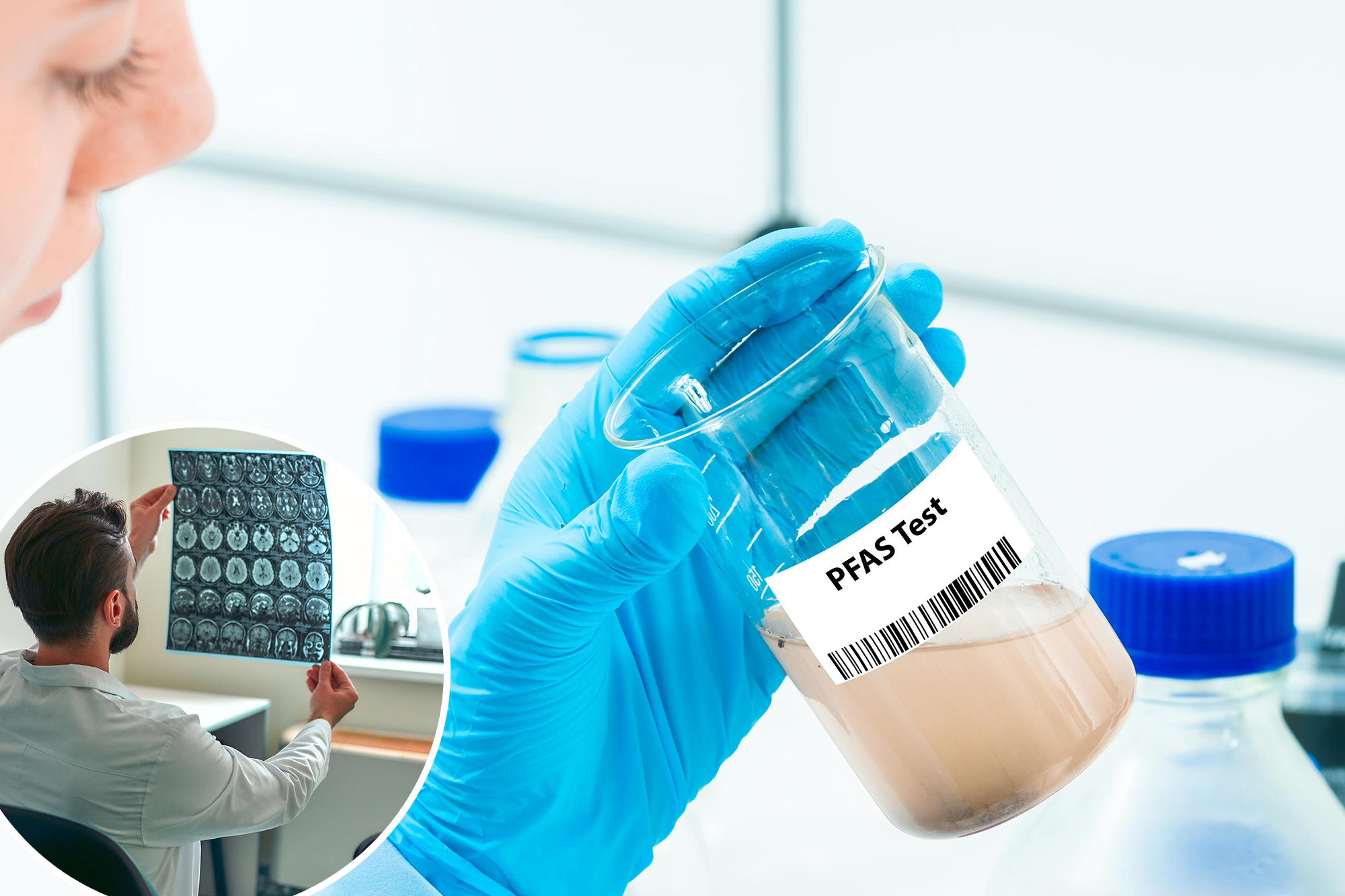
Recent research has established a troubling connection between man-made chemicals known as “forever chemicals” and an increased risk of multiple sclerosis (MS). The study, conducted by researchers in Sweden, indicates that exposure to perfluorooctane sulfonic acid (PFOS) and polychlorinated biphenyls (PCBs) is significantly associated with the autoimmune disease, raising concerns about the long-term health implications of these substances.
PFOS and PCBs are ubiquitous in modern life, found in items ranging from nonstick cookware to food packaging. Previous studies have linked these chemicals to various health issues, including liver damage, fertility problems, and several types of cancer. The latest findings suggest a further risk: individuals with higher concentrations of PFOS and PCBs in their blood are approximately twice as likely to be diagnosed with MS compared to those with lower levels.
Study Methodology and Findings
The research team, led by Kim Kultima, analyzed blood samples from 900 individuals recently diagnosed with MS, comparing them to samples from a control group without the disease. By measuring the levels of the identified toxins, they employed statistical models to determine the correlation between chemical exposure and MS diagnosis.
According to Aina Vaivade, the lead author of the study, the analysis revealed that increased overall exposure to these chemicals correlates with a higher likelihood of developing MS, even when accounting for known lifestyle and genetic factors. This underscores the multifaceted nature of disease risk, particularly how various environmental and genetic elements can interact.
The research also examined genetic components, notably a gene variant previously associated with a reduced risk of MS. Interestingly, individuals carrying this variant exhibited higher MS odds when exposed to elevated PFOS levels. This finding suggests a complex interplay between genetics and environmental toxins that warrants further investigation.
Environmental and Health Implications
The implications of this study extend beyond individual health concerns. The persistence of PFOS and PCBs in the environment poses a significant challenge. Despite being banned in the United States since 1979, PCBs continue to contaminate soil, water, and air. PFAS, the broader category of chemicals that includes PFOS, remains widely used in various consumer products, contributing to their presence in the general population.
Research indicates that nearly all Americans have detectable levels of these chemicals in their blood, including newborns. This widespread exposure is alarming, especially considering that these substances do not easily break down, allowing them to accumulate in the human body over time.
In light of these findings, health experts recommend practical steps for individuals to minimize exposure. Suggestions include using water filters, avoiding nonstick cookware, and choosing fresh, unpackaged foods. Seeking out “PFAS-free” labels can also help reduce contact with these harmful chemicals in daily life.
This study adds to the growing body of evidence that “forever chemicals” pose significant health risks. Understanding their impact is crucial for public health and the development of policies aimed at reducing exposure and protecting vulnerable populations. The research highlights the urgent need for continued investigation into the health effects of these substances and their role in the emergence of chronic diseases like MS.








Revolutionary Photonic Ski-Jump Could Miniaturize LiDAR Systems

Couples Detox from Plastics in New Netflix Doc: Can It Boost Fertility?

Aventon Launches Affordable Full-Suspension Electric Mountain Bike

Discover Eight Must-Try Restaurants This Spring Season

UC Irvine Team Unveils Innovative Ion Pump for Water Treatment

One-Third of Americans Trim Daily Expenses for Healthcare Needs

Apple Secures First Oscar in Three Years with F1: The Movie

Fourth Graders Celebrate St. Patrick’s Day with Creative Weather Drawings

Kim Kardashian Dazzles at Vanity Fair Oscars Party 2026

Nostradamus’ 2026 Predictions: Star Death and Dark Events Loom

Breakthroughs and Challenges Await Science in 2026

Electric Moto Influencer Surronster Arrested in Tijuana

OpenAI to Implement Age Verification for ChatGPT by December 2025

Discover the Top 10 Calorie Counting Apps of 2025

Recovering a Suspended TikTok Account: A Step-by-Step Guide

Bella Hadid Shares Health Update After Treatment for Lyme Disease

Backpack Drives Equip Students with Supplies for New School Year

Analysts Project Stronger Growth for Apple’s iPhone 17 Lineup
-
 Science8 months ago
Nostradamus’ 2026 Predictions: Star Death and Dark Events Loom
-
 Science8 months ago
Breakthroughs and Challenges Await Science in 2026
-
 Technology11 months ago
Electric Moto Influencer Surronster Arrested in Tijuana
-
 Technology9 months ago
OpenAI to Implement Age Verification for ChatGPT by December 2025
-
 Technology1 year ago
Discover the Top 10 Calorie Counting Apps of 2025
-
 Technology1 year ago
Recovering a Suspended TikTok Account: A Step-by-Step Guide
-
 Health11 months ago
Bella Hadid Shares Health Update After Treatment for Lyme Disease
-
 Education1 year ago
Backpack Drives Equip Students with Supplies for New School Year
-
 Health11 months ago
Analysts Project Stronger Growth for Apple’s iPhone 17 Lineup
-

 Health12 months ago
Japanese Study Finds Rose Oil Can Increase Brain Gray Matter
-

 Technology8 months ago
Top 10 Penny Stocks to Watch in 2026 for Strong Returns
-

 Science10 months ago
Starship V3 Set for 2026 Launch After Successful Final Test of Version 2